Three countries begin “Freedom Edge” exercise
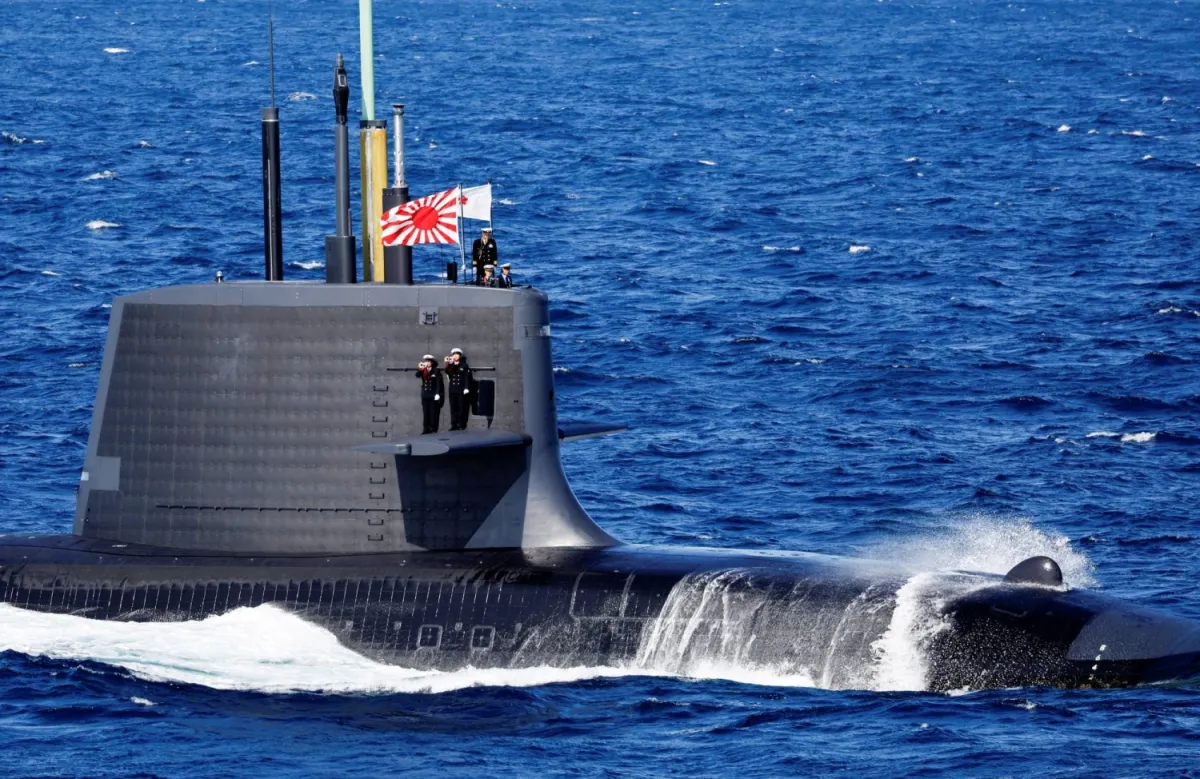
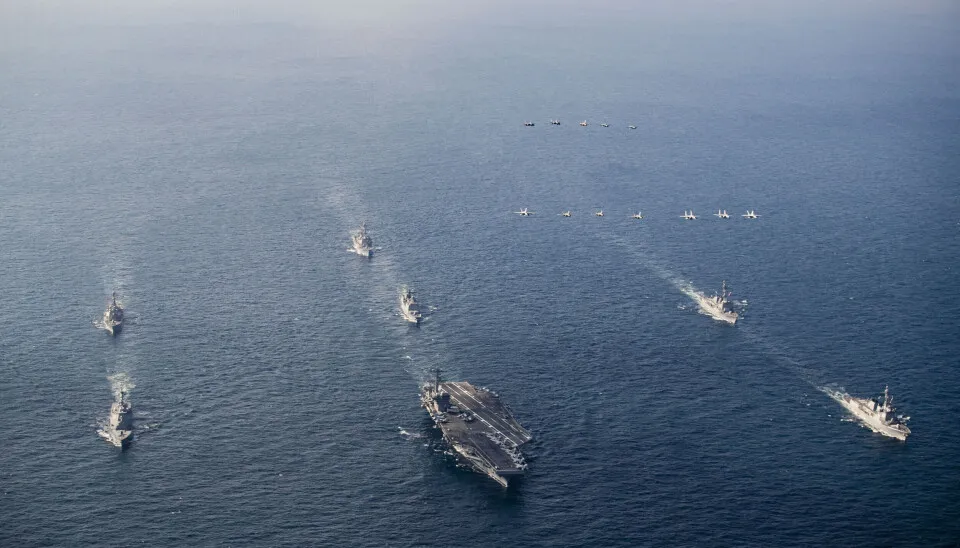
Japan’s Self-Defense Forces, the United States military and South Korean forces began a three-country joint exercise on the 7th, covering maritime, air and cyber operations in areas including the East China Sea. The exercise, known as “Freedom Edge,” is scheduled to continue through the 11th.
The operation is designed to strengthen deterrence against security threats affecting the Korean Peninsula and the broader Indo-Pacific region. By combining training across several operational domains, the three countries aim to improve coordination and demonstrate their ability to respond together to rapidly changing security situations.
Focus on coordination and regional stability
An opening ceremony was held at Yokota Air Base in Tokyo, where Yoshiyasu Ishimaki, director of operations at Japan’s Joint Staff Office, outlined the purpose of the exercise. He said the drills would demonstrate the three countries’ firm resolve and contribute to creating a security environment in which unilateral attempts to change the status quo by force are not accepted.
The reference to multiple domains is significant. Traditional military exercises often focus on activities at sea or in the air, while modern security planning increasingly includes cyber operations, information networks and the protection of critical infrastructure. Training together in these areas allows Japan, the United States and South Korea to improve communication, share procedures and build confidence among their forces.
For Japan, the exercise also reflects the country’s growing emphasis on cooperation with partners as the security environment around the Japanese archipelago becomes more complex. The East China Sea is strategically important because it connects Japan’s southwestern region with the wider Indo-Pacific and lies close to major sea lanes and areas of regional tension.
North Korea criticizes the drills
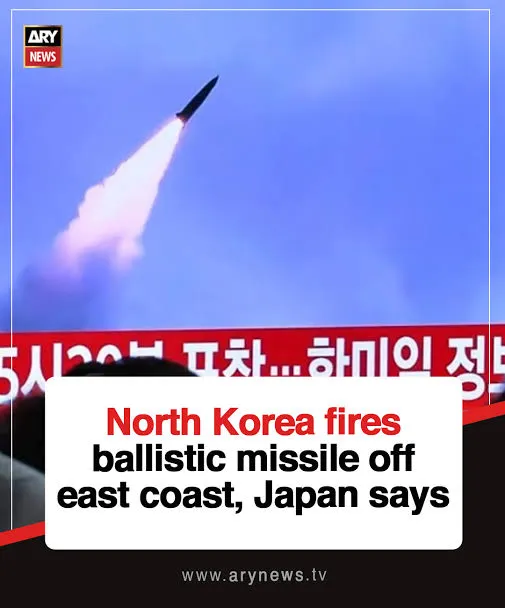
North Korea has condemned the exercise, describing it as part of what it calls a hostile policy. Pyongyang warned that if the administration of U.S. President Donald Trump continues what it considers an adversarial approach, it will respond with “the most hard-line position.”
The criticism highlights the challenge facing the three participating countries. Japan, the United States and South Korea view regular exercises as a way to deter provocations and prepare for emergencies. North Korea, however, has consistently portrayed such military cooperation as evidence of hostile intentions.
U.S. military says scope remains unchanged
U.S. Forces Japan Commander General Stephen Jost said there had been no changes to the scale or scope of Freedom Edge. His comment suggests that the exercise is proceeding according to the previously established plan rather than being expanded in response to recent statements or developments.
Beyond its immediate military purpose, the exercise carries a diplomatic message. Japan, the United States and South Korea have sought to deepen security cooperation while maintaining their individual national policies and responsibilities. Regular, transparent coordination can help strengthen deterrence, improve crisis communication and support stability in the Indo-Pacific.
At the same time, the drills underline the need for careful communication. Military exercises can enhance preparedness, but they may also heighten tensions when rival governments interpret them as provocative. The participating countries will therefore face the continuing task of balancing readiness with efforts to prevent miscalculation.