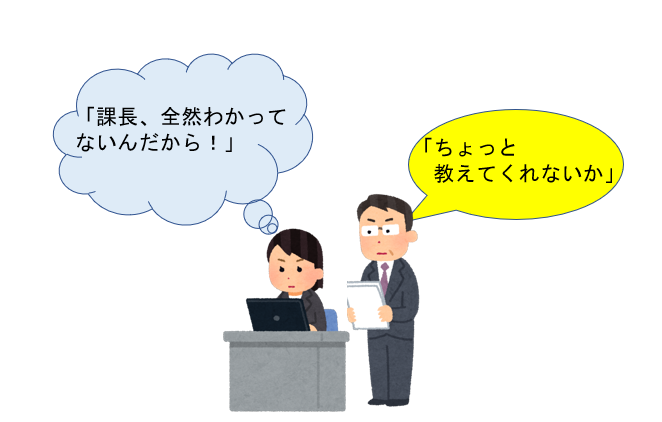
Are you a manager struggling with miscommunications, unmet expectations, and a feeling that your team isn't truly following your lead? You're not alone. Many workplaces grapple with communication breakdowns that hinder efficiency, innovation, and ultimately, growth. But what if the solution isn't just better speaking or listening techniques, but something deeper: a shared common language built through philosophical dialogue?
The Hidden Language Barriers in the Workplace
Words like responsibility, value, proactivity, and innovation are thrown around daily in business, yet their meanings can vary wildly from person to person. A subordinate might interpret proactivity as acting independently without instructions and fear blame for mistakes, while a manager might see it as understanding organizational goals and proactively seeking challenges as a path to growth. This semantic gap isn't bridged by mere communication tactics. It requires a shared understanding of what these words truly mean within the team.
Philosophical Dialogue: A Path to Shared Meaning
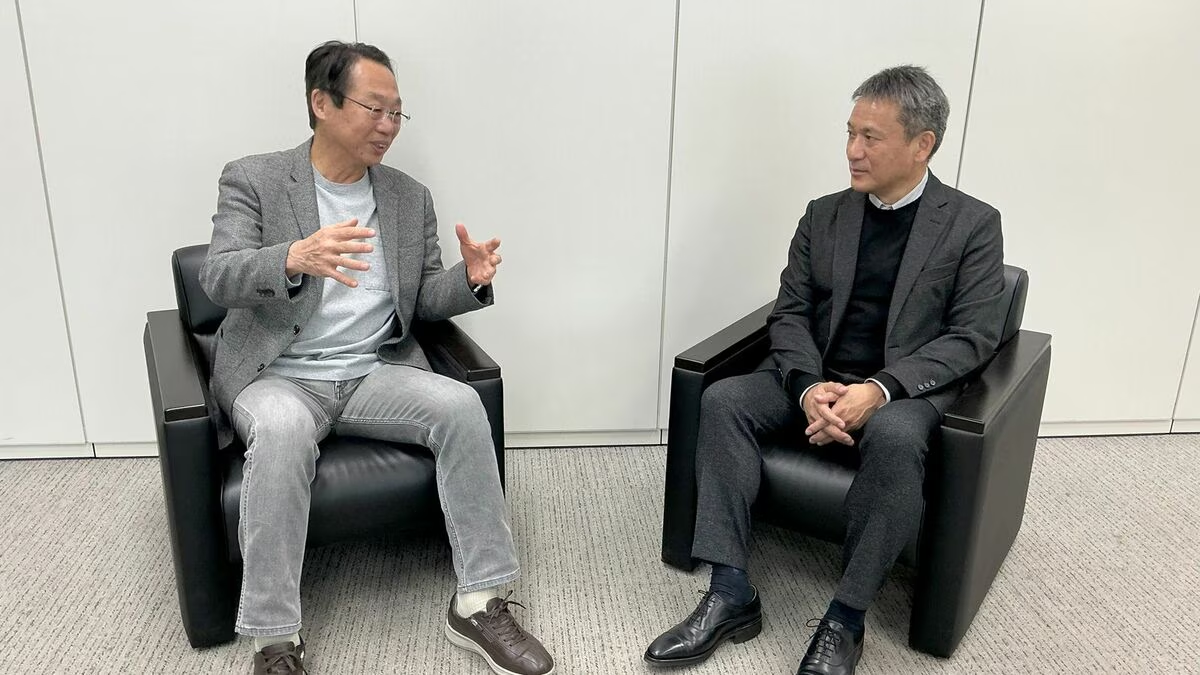
Enter philosophical dialogue, a method championed by Dr. Yosuke Horikoshi, a philosophical consultant and researcher at the University of Tokyo. Unlike debates aimed at finding a single correct answer, philosophical dialogue involves collectively exploring fundamental questions like What exactly is responsibility? or What does true value mean? without giving up on a shared understanding. The goal isn't to impose an answer but to share experiences, values, and perspectives, collectively forming new meanings.
In this process, everyone is an equal participant. Technical expertise might differentiate individuals in other business discussions, but in philosophical inquiry, there's no more knowledgeable person. This inclusivity allows even less experienced or knowledgeable team members to contribute fragments of truth or unique perspectives, fostering a sense of belonging and motivation.
Consider a scenario where sales managers struggled with their team's engagement, feeling a lack of trust. Instead of directly tackling how to gain trust, Horikoshi's workshop started with the foundational question: What is trust, fundamentally?
Participants shared images of trust: a lead runner in a marathon, an orchestra conductor, a mountain guide, or cooperative play in a game. This initial step acknowledged the diverse interpretations of trust within the group. The next step involved distinguishing trust from similar concepts like credibility, belief, reliance, dependence, respect, and loyalty. Focusing on credibility vs. trust helped clarify nuances in a business context.
Further exploration identified different facets of trust:
- Trust in Experience: I can consult this person because of their experience.
- Trust in Character: This person is sincere or This person keeps their promises.
- Trust in Intent: This person has our best interests at heart.
- Trust in Relationship: This person and I have overcome various challenges together.
This breakdown revealed that lack of trust isn't a single problem but could stem from issues with capability, relationship, or intent. Identifying the specific type of trust deficit is crucial for targeted solutions.
Gaining a Shared Language of Trust
Finally, by asking How is trust born?, two key concepts emerged: Immediate Trust and Incremental Trust. Immediate trust forms quickly based on first impressions, expressions, or shared topics. Incremental trust, however, deepens over time through sustained interaction, consistent behavior, and shared experiences.
These defined terms become a shared language for feedback. A new team member might receive feedback like, Your first impression was excellent, so you've gained immediate trust. Moving forward, let's work on building incremental trust through our communications.
By acquiring this common language around trust, vague problems like my team isn't following me transform into concrete, actionable dialogue. Philosophical dialogue fosters a culture where employees feel included, motivated, and truly connected, laying the groundwork for stronger teams and organizational resilience.