Japan celebrates double success at the Lasker Awards
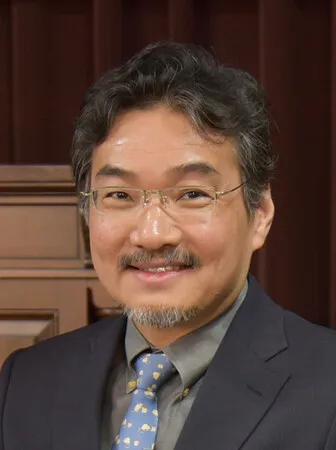
Four Japanese researchers have been selected for prestigious Lasker Awards, recognizing major contributions to both basic medical science and clinical medicine. The Lasker Foundation announced on the ninth that Masashi Yanagisawa, a 66-year-old professor at the University of Tsukuba, and his colleagues had received the award in the basic medical research category for the discovery of orexin, a key regulator of sleep and wakefulness.
In the clinical medical research category, three researchers from Japan’s Chugai Pharmaceutical were honored for their work in developing Hemlibra, a treatment that has significantly improved bleeding prevention for people with hemophilia A. The recognition represents a notable achievement for Japanese science, bringing together fundamental research into the mechanisms of sleep and an innovative therapy addressing a serious inherited bleeding disorder.
Orexin research changed the understanding of sleep
Yanagisawa discovered orexin in 1998 while studying biological systems involved in sleep regulation. The substance, also known as hypocretin, plays an important role in maintaining wakefulness and coordinating the body’s sleep-wake cycle. His work helped open a new era in sleep science by providing researchers with a clearer understanding of how the brain controls transitions between being awake and asleep.
Research involving genetically modified mice that lacked orexin also produced important findings. The animals displayed behavioral abnormalities resembling narcolepsy, a sleep disorder in which people can suddenly fall into deep sleep or experience an uncontrollable need to sleep. These discoveries helped clarify the biological roots of the condition and contributed to the development of medicines aimed at treating sleep disorders at their source.
For international observers, Yanagisawa’s achievement highlights the global influence of Japan’s universities and biomedical research institutions. Although sleep science once received less public attention than some other areas of medicine, advances in the field are increasingly important as societies confront sleep deprivation, irregular work schedules, aging populations and the health consequences of poor sleep.
Hemlibra offers a new approach to hemophilia A
The clinical medicine award went to three Chugai Pharmaceutical researchers: former senior fellow Yuko Hattori, 66; Tsuyoshi Kitazawa, 57, deputy head of the company’s Research Division; and Tomoyuki Ikawa, 49, head of the division.
Hemophilia A is a genetic disorder in which the blood lacks sufficient factor VIII, a protein needed for normal clotting. As a result, patients can suffer prolonged or spontaneous bleeding, including potentially serious bleeding into joints and muscles. Traditional treatment generally involves replacing the missing clotting factor, but the frequency and method of administration can create challenges for patients and families.
The Chugai team developed an antibody that substitutes for the function of the missing clotting factor. This approach helped make treatment easier to administer while providing sustained protection against bleeding. Hemlibra has therefore become an important example of how Japanese pharmaceutical research can translate sophisticated biological science into a practical therapy for patients worldwide.
A boost for Japanese medical research
Yanagisawa described the award as an honor beyond what he could have imagined. He said the recognition was especially encouraging because it brought attention to sleep science, a field that had not traditionally received widespread public focus, and expressed hope that it would support further progress.
The Lasker Awards are widely regarded as among the most respected honors in medical science. Recognition in both basic and clinical categories underscores the breadth of Japan’s contribution—from discovering fundamental mechanisms in the brain to developing treatments that improve everyday patient care. Together, the awards offer a powerful reminder of the value of long-term research, collaboration between academia and industry, and Japan’s continuing role in global health innovation.