A New Record in Extreme Biology
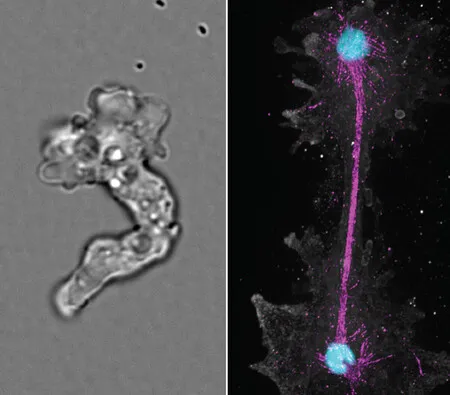
A newly identified amoeba collected from a hot spring in California’s Lassen Volcanic National Park has demonstrated an extraordinary ability to survive and reproduce at temperatures of up to 63°C. The finding, reported by a research team including scientists from Syracuse University in the United States, establishes the highest known growth temperature for a eukaryotic organism—one whose cells contain a nucleus.
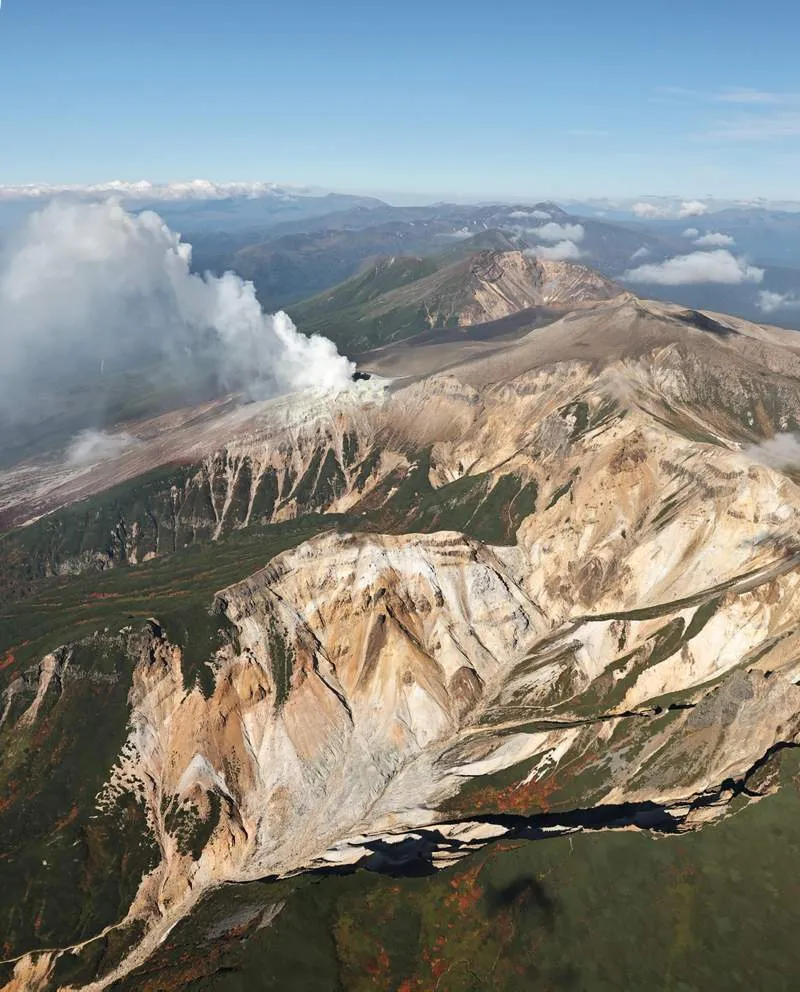
The microscopic organism was collected from hot spring water flowing across the surface of the volcanic landscape. In laboratory culture experiments, researchers found that it could actively multiply at 63°C. It was also capable of moving at 64°C. At 70°C, the amoeba entered a dormant state, but it recovered after temperatures were lowered, suggesting that it possesses an unusual ability to withstand severe heat stress.
A Newly Identified Species
DNA analysis showed that the organism belongs to a previously unknown genus and species. Researchers named it Incendiamoeba cascadensis. The name reflects both its apparent “fire amoeba” characteristics and its discovery in the Cascade Range, where Lassen Volcanic National Park is located.
The amoeba feeds on bacteria, placing it within the complex ecological communities that thrive around geothermal environments. Hot springs may appear hostile to life, but they support specialized microorganisms that have evolved to cope with high temperatures, mineral-rich water and rapidly changing conditions.
Why the Discovery Matters
Eukaryotes include fungi such as yeast and mushrooms, algae, plants and animals. Before this discovery, the highest reported temperature for eukaryotic growth was approximately 60°C, recorded in certain fungi and red algae. Although the new amoeba exceeds that figure by only three degrees, scientists say the result is significant because it provides a rare opportunity to study how a nucleated cell functions under extreme heat.
Researchers identified groups of genes that may help prevent proteins from losing their structure and repair DNA damaged by high temperatures. These biological mechanisms could offer valuable clues for biotechnology. Heat-resistant enzymes are already important in the production of medicines, food, biofuels and textile materials, and studying organisms such as Incendiamoeba cascadensis may help scientists improve those enzymes for industrial use.
A Link to Japan’s Deep-Sea Research
The discovery also connects with Japan’s long-standing leadership in extreme-environment biology. In 2008, researchers from the Japan Agency for Marine-Earth Science and Technology, known as JAMSTEC, reported laboratory growth of a hyperthermophilic methane-producing archaeon collected from a deep-sea hydrothermal environment in the Indian Ocean. The organism multiplied under high-pressure conditions at 122°C, setting a record for the highest known growth temperature among living organisms.
That record belongs to archaea, which are prokaryotes and therefore differ from eukaryotic organisms such as the newly discovered amoeba. Together, the findings show that volcanic hot springs and deep-sea vents remain important natural laboratories. As researchers continue exploring these environments, they may uncover further organisms whose survival strategies can contribute to science, industry and a deeper understanding of life on Earth.