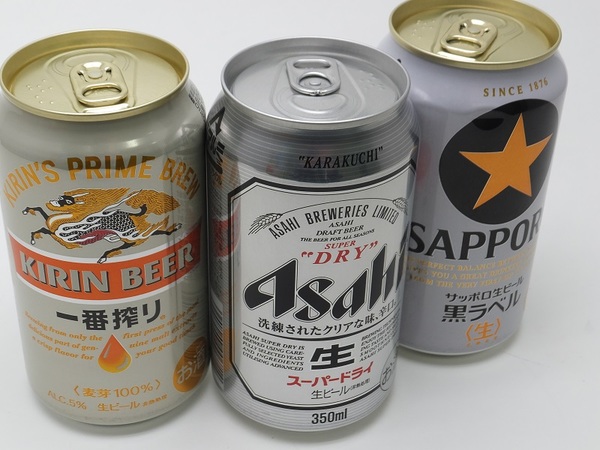
Japan's beer industry is facing significant supply chain disruptions as two major brewers implement shipment restrictions following a massive system failure at a competitor. Kirin Brewery and Sapporo Breweries have both announced they will limit shipments of beer products to restaurants and bars after experiencing unprecedented order volumes.
System Failure Triggers Industry-Wide Ripple Effects
The crisis began on September 29 when Asahi Group Holdings, one of Japan's leading beverage companies, experienced a major system malfunction that halted its order processing and shipment capabilities. The technical failure has left restaurants, bars, and other establishments scrambling to find alternative suppliers, creating a surge in orders directed toward Kirin and Sapporo.
Kirin confirmed it would implement restrictions beginning with shipments scheduled for October 9, affecting key products including its popular 'Ichiban Shibori' draft beer and 'Lager Beer' in bottles. Company representatives stated the measures are necessary to ensure stable product supply amid the unprecedented demand spike.
Industry Response and Market Impact
Sapporo took action even earlier, implementing restrictions on October 3 shipments, citing the need to prioritize existing customers. Industry sources indicate Suntory, another major player in Japan's competitive beer market, has also begun adjusting its shipment schedules to manage the increased demand.
The situation highlights the interconnected nature of Japan's beverage distribution networks and the vulnerability of supply chains to technical disruptions. With Asahi's systems remaining offline for multiple days, the impact has spread rapidly throughout the food service industry, particularly affecting establishments that had built their beverage menus around Asahi products.
Broader Implications for Business Continuity
This incident raises important questions about disaster recovery planning in Japan's food and beverage sector. While companies typically prepare for natural disasters, the extended system failure at a major corporation demonstrates how technical issues can create industry-wide disruptions.
Industry analysts note that the timing is particularly challenging as Japan enters the autumn season, traditionally a peak period for beer consumption with outdoor events, sports viewings, and seasonal festivals. Restaurant owners have expressed concern about potential revenue losses if they cannot secure adequate beer supplies during this crucial business period.
The situation also illustrates the delicate balance in Japan's highly competitive beer market, where brand loyalty is strong but consumers may need to temporarily switch preferences due to availability issues. Market researchers will be watching closely to see whether these forced brand switches result in any permanent changes to consumer behavior.
As the industry navigates this supply challenge, attention is also turning to how quickly Asahi can restore its systems and what measures it will take to regain market confidence once operations resume. The company faces not only technical challenges but also the significant task of rebuilding trust with business partners who depend on reliable supply chains.