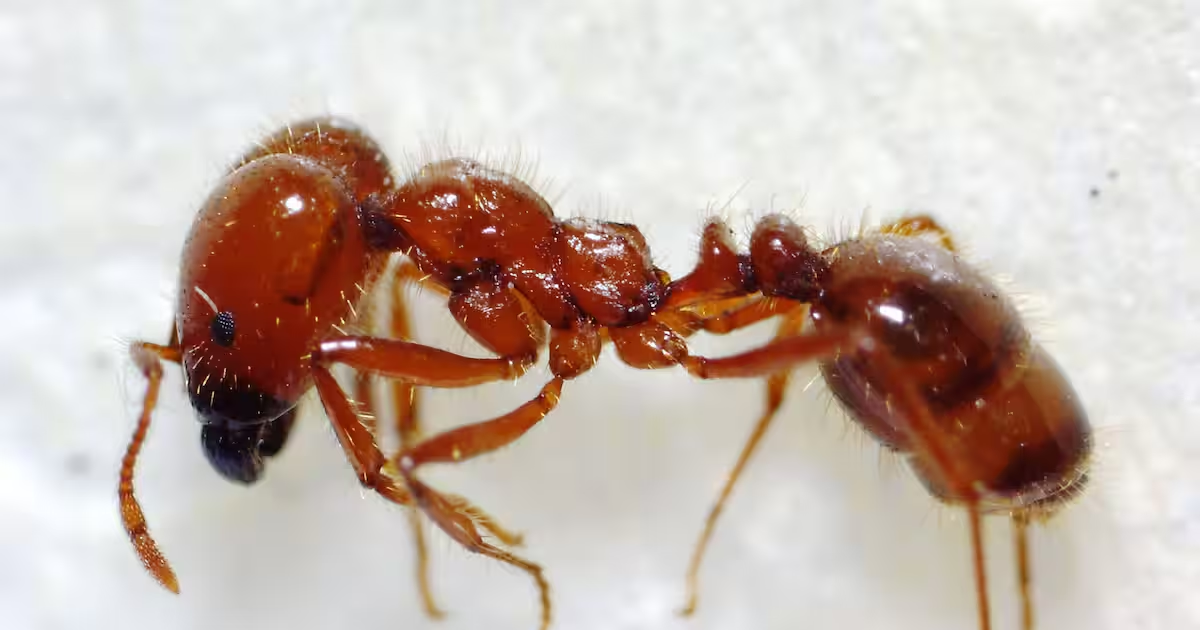
Japan is facing an escalating biosecurity challenge as toxic 'red imported fire ants' appear at the nation's ports at record rates. The venomous insects, capable of causing painful stings and severe allergic reactions, are arriving via international cargo shipments, raising concerns about ecological and public health impacts.
Recent Discoveries and Scope
In July, approximately 1,000 red imported fire ants were discovered at Kobe ports, marking some of the largest single findings to date. The insects were found in containers arriving from China and the Philippines, hidden among commercial goods.
According to the Environment Ministry, Japan recorded 33 confirmed cases in the most recent reporting year. The highest since record-keeping began. The current year is on track to exceed even that number, with 17 cases reported between January and August alone, including discoveries in Tokyo, Osaka, and Kanagawa prefectures.
Identification and Dangers
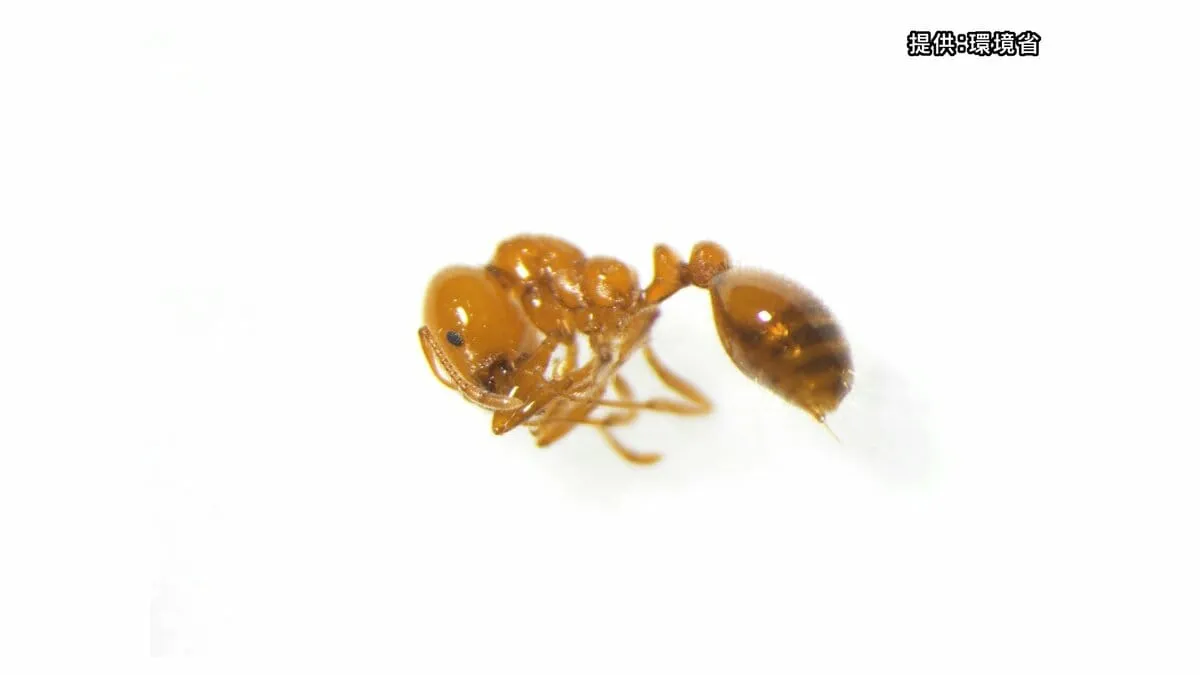
Red imported fire ants (Solenopsis invicta) measure 3-8 millimeters in length and display reddish-brown coloration with characteristically large, square-shaped heads. While less toxic than their closely related cousin, the tropical fire ant, their stings can cause burning pain, itching, and in sensitive individuals, potentially life-threatening anaphylactic reactions.
Medical professionals advise that those stung should rest for 20-30 minutes while monitoring for symptoms. If breathing difficulties, dizziness, or swelling occur, immediate medical attention is crucial, with patients specifically mentioning ant stings and possible anaphylaxis.
Ecological Impact Concerns
Beyond human health concerns, biologists warn of potential ecosystem disruption if the ants establish permanent colonies. The species is classified as requiring emergency response measures among Japan's designated alien species, reflecting official recognition of the threat they pose to native insects, small reptiles, and overall ecological balance.
Dr. Koichi Goka, a special appointed researcher at the National Institute for Environmental Studies, emphasizes that the ants could significantly disrupt Japan's delicate ecosystem balance if they become established. The insects are aggressive competitors that can overwhelm native species.
Import Nation Vulnerability
Japan's status as a major importing nation creates particular vulnerability to invasive species. With over 60 international trade ports receiving continuous cargo flows, comprehensive inspection of all incoming goods presents enormous practical challenges.
Dr. Goka notes that Japan cannot implement the stringent biosecurity measures seen in island nations like Australia and New Zealand without severely disrupting vital trade networks. This creates an inherent tension between economic necessities and ecological protection.
International Cooperation Needs
Experts are calling for enhanced international frameworks to address invasive species transport. Effective prevention requires not only border controls in importing countries but also measures in exporting nations to prevent problematic species from entering cargo in the first place.
Dr. Goka stresses that Japan must acknowledge its dependence on imports brings not only goods but also continuous biological risks. Public awareness and understanding of these interconnected challenges represents a crucial first step toward developing more effective prevention strategies.
As discoveries continue at Japanese ports, government agencies, research institutions, and port authorities are collaborating to enhance detection and response capabilities. The situation represents an ongoing challenge requiring balanced approaches that protect both public health and Japan's unique ecosystems.