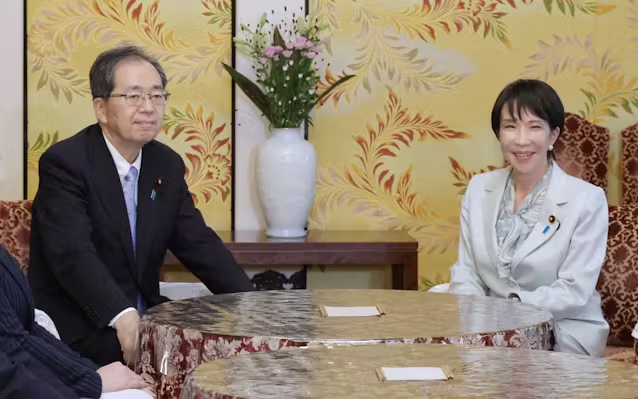
Japan's political landscape faces potential upheaval as the ruling coalition between the Liberal Democratic Party and Komeito shows signs of significant strain following the election of a new LDP leader. The partnership, which has governed Japan for most of the past two decades, now confronts its most serious challenge in recent memory.
Leadership Transition Triggers Tension
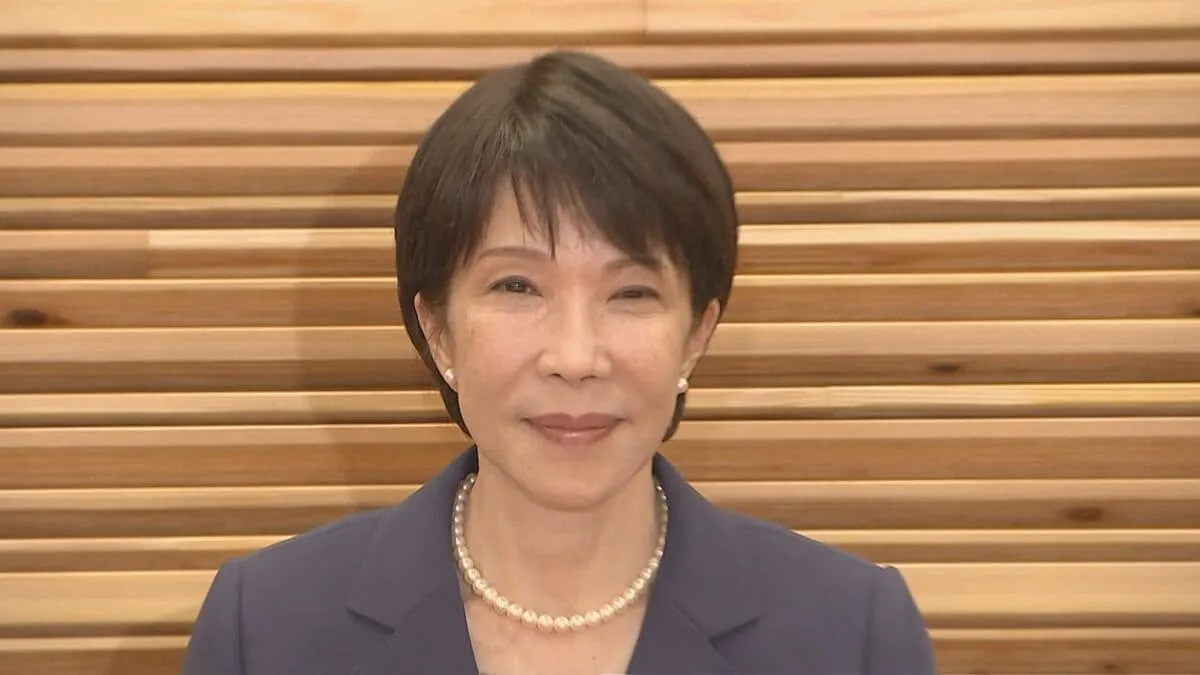
The political crisis emerged following Sanae Takaichi's election as president of the Liberal Democratic Party, a development that has prompted strong reactions from Komeito leadership. On October 7th, Komeito convened an emergency meeting of its executive officers to discuss the future of the coalition government in light of the leadership change.
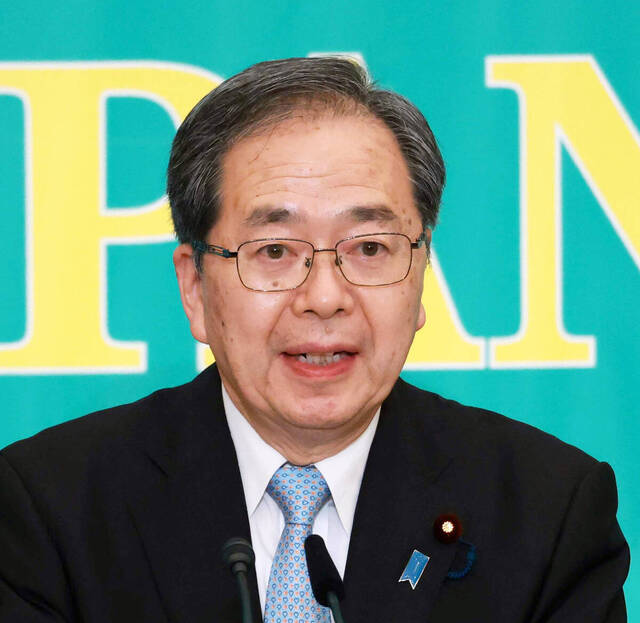
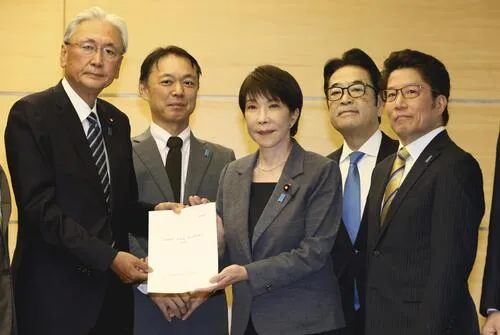
Komeito representatives, including leader Tetsuo Saito and Secretary General Yoshihito Nishi, subsequently met with the LDP's new leadership team for approximately ninety minutes of discussions. The talks reportedly focused on differences regarding approaches to political fundraising scandals that have plagued Japanese politics in recent years.
According to sources familiar with the discussions, the meeting concluded without resolution, with both sides agreeing to continue discussions while acknowledging significant differences in perspective. The failure to reach immediate consensus highlights the depth of disagreement between the longtime governing partners.
Specific Points of Contention
Central to the dispute appears to be Komeito's dissatisfaction with how the LDP's new leadership has addressed recent political fundraising scandals. Saito reportedly expressed concerns directly to Takaichi about "accountability for the slush fund scandal," but found the response insufficient according to party sources.
Compounding tensions, Takaichi's executive appointments included former Abe faction figure Koichi Hagiuda as acting secretary general, despite his connection to the fundraising controversies. Other appointments similarly featured politicians with limited connections to Komeito, creating concerns about communication channels within the coalition.
Perhaps most significantly, the retention of Taro Aso as vice president's politician known for his criticism of Komeito as created additional friction. Komeito insiders have reportedly expressed frustration about the lack of "people we can speak frankly with" in the new LDP leadership structure.
Organizational Challenges for Komeito
Behind Komeito's stance lies significant organizational challenges within its support base. The party's relationship with its parent organization, Soka Gakkai, has faced strains in recent years, particularly following the death of honorary president Daisaku Ikeda two years ago.
Ikeda, who championed the organization's entry into political activities, represented a unifying figure whose absence has coincided with declining electoral enthusiasm among members. This organizational weakening has manifested in concerning electoral results for Komeito.
July's House of Councillors election saw the party win just eight seats from fourteen contested, representing its worst performance in the upper house. The party's proportional representation vote total fell to 5.21 million, a decline of one million votes from three years earlier and nearly forty percent below its peak of 8.62 million votes in 2004.
Strategic Considerations and Future Scenarios
Faced with these challenges, Komeito has reportedly been considering significant strategic shifts. Internal discussions have included proposals to abandon candidacies in demanding electoral districts and instead focus organizational resources on proportional representation contests.
Some within the organization have even suggested that maintaining the coalition with a right-leaning LDP could accelerate supporter defections, potentially necessitating withdrawal from national politics altogether in favor of focusing on local governance. Such a dramatic shift would represent a fundamental transformation of Japan's political landscape.
Political analysts note that Komeito's unique position balancing its pacifist principles with practical governance requirements creates particular challenges when the LDP shifts rightward. The current situation tests whether the party can maintain its identity while preserving governing influence.
Broader Political Implications
The coalition tensions occur against a backdrop of significant policy challenges, including economic management, national security considerations, and social welfare reforms. A potential coalition breakup or significant reconfiguration could have far-reaching consequences for policy direction and political stability.
The situation also raises questions about how Japan's political system accommodates diverse viewpoints within governing coalitions. Komeito has traditionally moderated some LDP policies, particularly on security matters, and its diminished influence or departure could enable more pronounced ideological shifts.
As both parties continue negotiations, political observers are watching for signs of whether this represents a temporary negotiating position or a more fundamental reevaluation of the long-standing partnership. The outcome will likely influence Japanese politics well beyond the current leadership cycle.