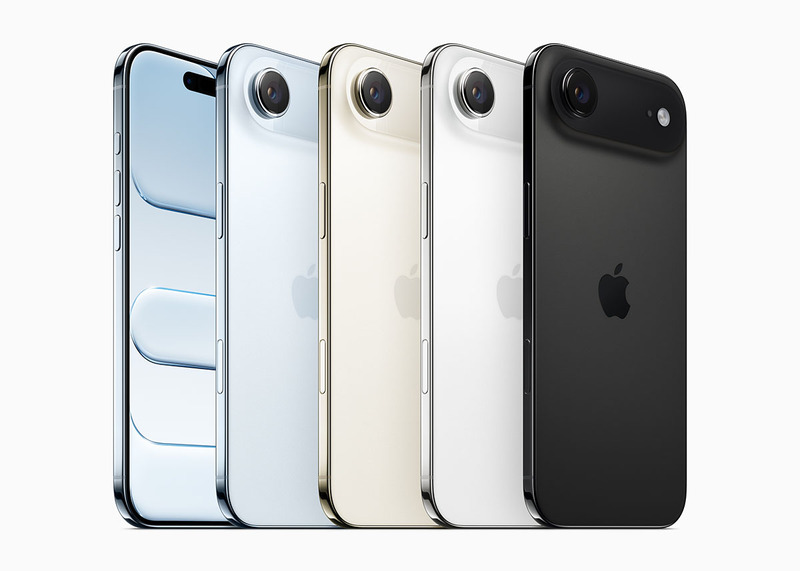
Apple's newly unveiled iPhone Air, marketed as the thinnest iPhone in history, comes with a significant technical compromise that has surprised many tech enthusiasts.
The Thinnest iPhone's Technical Trade-offs
While boasting an impressive 5.6mm profile and featuring premium specifications including a 6.5-inch display with ProMotion technology (up to 120Hz) and the powerful A19 Pro chip (equivalent to iPhone 17 Pro), the device makes unexpected sacrifices in connectivity.
The USB-C Speed Limitation
Despite adopting the universal USB-C connector, the iPhone Air's port is limited to USB 2.0 transfer speeds of 480 Mbps. This represents a significant step backward from the USB 3.0 speeds offered in recent Pro models, affecting data transfer rates and potentially video output capabilities.
Engineering Behind the Slim Design
Apple achieved the remarkable thinness through multiple engineering innovations, including an advanced C1X modem (30% more power efficient than iPhone 16 Pro's modem) and the elimination of the physical SIM slot to conserve internal space. These compromises were necessary to accommodate the battery within the ultra-thin chassis.
Consumer Impact and Market Response
The USB 2.0 limitation may affect professionals who regularly transfer large files or users who expect modern connectivity standards from a premium device. While casual users might not notice the difference, the specification has raised questions about whether Apple's pursuit of thinness has compromised functionality.
Industry analysts suggest this could represent a new segmentation strategy, where certain features are reserved for Pro models while standard models receive more basic specifications.