Android publishes October 2026 security information
The Android Open Source Project, or AOSP, published security information for the Android operating system on October 5, 2026, identifying multiple vulnerabilities classified as “critical.” Google and Android security teams recommend that users install the relevant updates as soon as they become available through their device manufacturer or mobile carrier.
The bulletin lists seven critical-severity fixes in total, along with 18 high-severity fixes. The vulnerabilities affect two major areas of the Android platform: the framework and the system. While the public information does not indicate that every Android device is affected in the same way, the presence of several critical-rated issues makes timely patching especially important.
Breakdown of the reported vulnerabilities
Framework
- Critical severity: one fix
- High severity: six fixes
System
- Critical severity: six fixes
- High severity: 12 fixes
In Android security reporting, a critical classification generally indicates that a vulnerability could allow serious consequences under certain conditions, such as remote code execution, privilege escalation, or unauthorized access to sensitive device functions. The actual risk depends on the affected component, the required permissions, the attack method, and whether the vulnerability is already being exploited. Users should therefore rely on the official security patch level and update guidance for their specific model rather than assuming that every device faces identical exposure.
What Android users should do
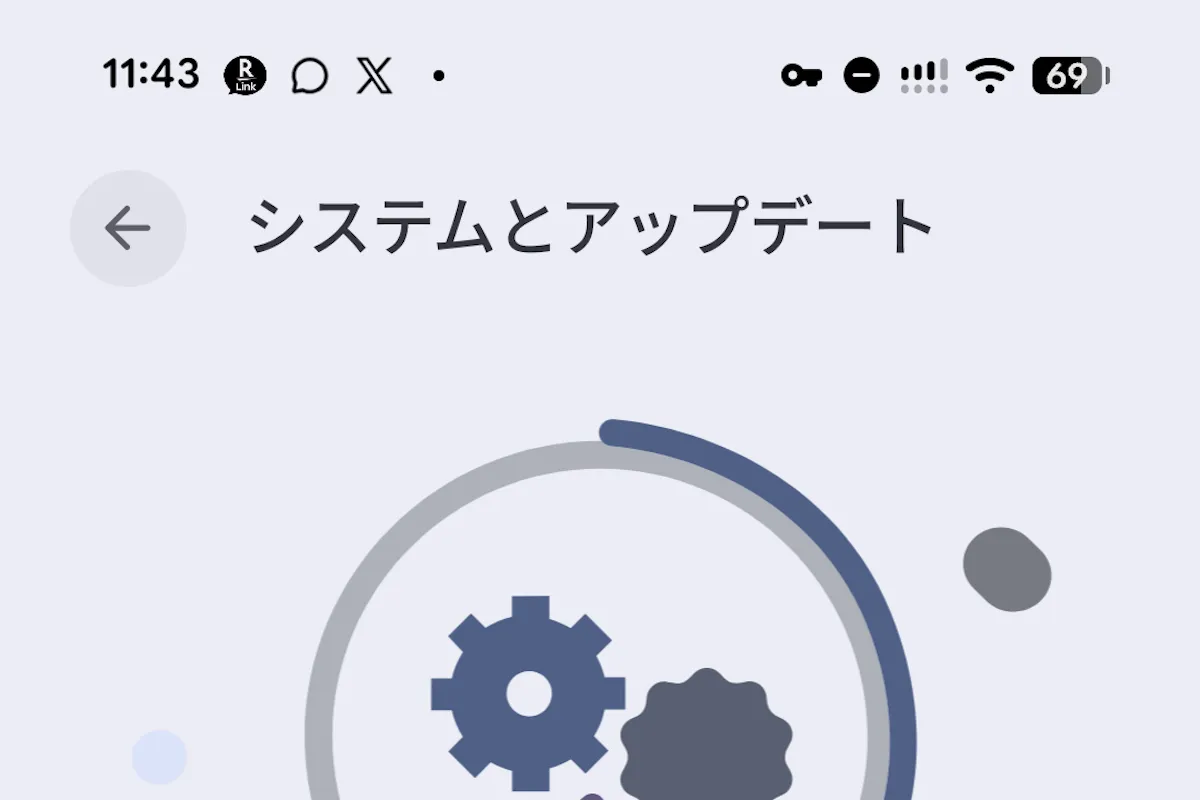
Once an update is offered, users should install it promptly. They can check for updates through the device’s Settings application, although the exact menu name varies by manufacturer and Android version. It is also advisable to keep Google Play system updates current, use a secure screen lock, avoid installing applications from untrusted sources, and be cautious with unexpected links or attachments.
Owners should also check the Android security update date shown in the device settings. If a phone has not received a current patch after the manufacturer or carrier is expected to support it, users should contact customer support for clarification. Backing up important photos, messages, and other data before a major update is a sensible precaution.
Relevance for users in Japan
Android smartphones are widely used in Japan, where consumers purchase devices through major mobile carriers, electronics retailers, manufacturer channels, and online stores. Security updates are normally distributed after manufacturers and carriers complete testing and prepare model-specific releases. As a result, the timing of an update can differ between devices, regions, and network providers.
For people living, working, or studying in Japan, this means that an AOSP announcement may come before the update appears on a particular handset. Japanese users should check official support pages from their device maker or carrier, as well as the update screen on their phone. Travelers and foreign residents should be particularly careful when using older imported devices, because update schedules and regional support may vary.
Why prompt updates matter
Security bulletins provide an important early warning for the global Android ecosystem. Applying patches helps reduce the opportunity for attackers to exploit known weaknesses and supports safer digital use for individuals, businesses, and public services. Although the bulletin itself does not establish that the vulnerabilities are being actively exploited, critical-rated flaws should not be ignored. Keeping Android devices updated remains one of the simplest and most effective steps users can take to protect personal information and maintain a secure mobile experience.