A Historic Appointment for Japan’s Leading University
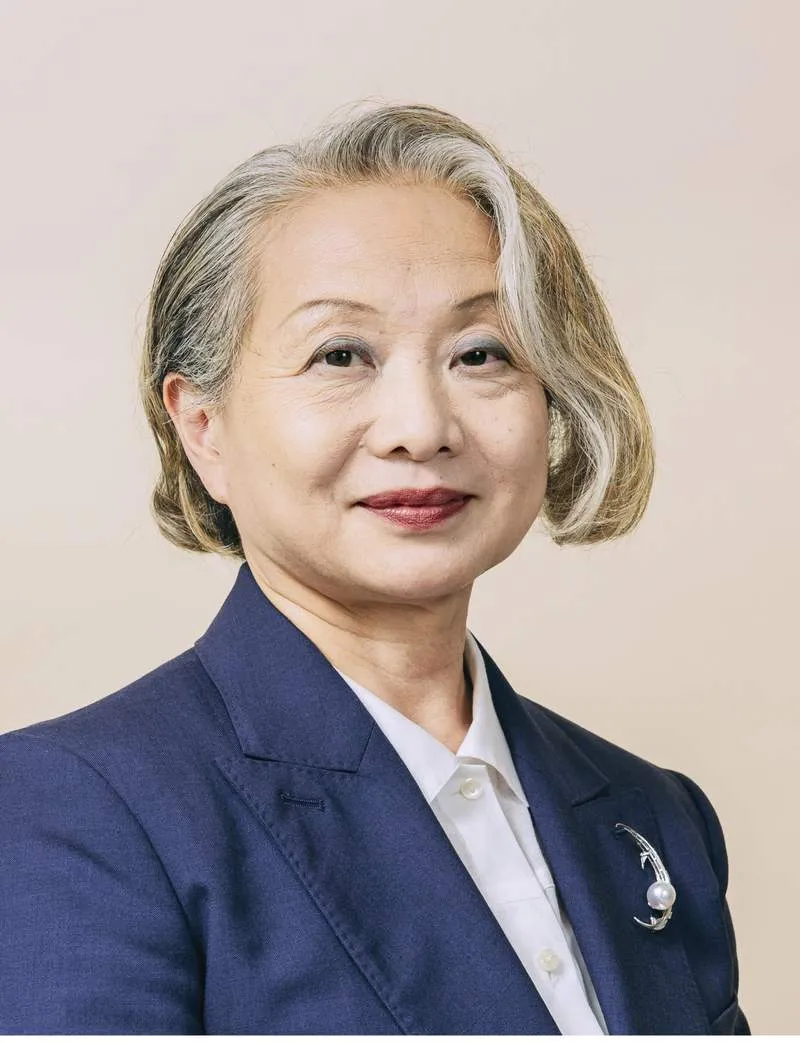
The University of Tokyo has selected Yukiko Fujigaki, a 64-year-old professor at its Graduate School of Arts and Sciences, as the university’s next president. If formally appointed by Japan’s education minister, Fujigaki will begin a six-year term in April next year, succeeding Teruo Fujii, whose term ends at the close of March.
Fujigaki’s appointment would mark the first time in the University of Tokyo’s history that a woman has served as president. The university, commonly known as Todai, is widely regarded as Japan’s most prestigious institution of higher education and has played a central role in the country’s scientific, political and cultural development.
Experience in Leadership and Science Policy
Fujigaki specializes in science and technology studies and scientometrics, a field that examines the measurement and evaluation of scientific research. Her academic work focuses on the relationship between science, technology and society—issues that are increasingly important as governments and universities confront questions surrounding artificial intelligence, research ethics, innovation and public trust.
She has held several senior administrative positions at the University of Tokyo, including deputy head of the Graduate School of Arts and Sciences, deputy dean of the College of Arts and Sciences, and executive vice president and trustee. Her experience across both academic and institutional management roles is expected to be valuable as the university seeks to strengthen its governance and respond to a rapidly changing higher-education environment.
Selection Process and Vote
The university announced Fujigaki’s selection on the 28th after a second round of voting involving professors, associate professors and staff. The vote was conducted among the three leading candidates. Takao Someya, the university’s executive vice president, received 1,107 votes, while Fujigaki received 553 votes, placing her second in the ballot.
The University of Tokyo said the final decision was made after a comprehensive assessment rather than being based solely on the vote total. The appointment must now go through the formal procedure involving Japan’s minister of education, culture, sports, science and technology.
Governance Under Increased Scrutiny
Fujigaki is expected to take office at a time when governance has become a major issue for the university. A series of corruption cases involving former professors and others connected to the Graduate School of Medicine has prompted public concern and intensified calls for stronger oversight and accountability.
The university has been working to improve its governance structures, compliance systems and internal management. Against this backdrop, the incoming president will face the challenge of maintaining Todai’s global academic reputation while strengthening transparency and public confidence.
For international observers, Fujigaki’s expected appointment is significant beyond its symbolic value. Women remain underrepresented in senior leadership across Japan’s universities, research institutions and corporate sector. Her selection could therefore become an important signal about leadership diversity and institutional reform in Japanese higher education.
At the same time, the new president will be responsible for addressing practical challenges shared by universities around the world, including international competition for researchers, declining student populations, research funding pressures and the need to build stronger links between academic discovery and society. Fujigaki’s background in science, technology and social policy positions her to engage with these issues as the University of Tokyo enters a new chapter.