Japan calls for accountability after Okinawa arrest
Japanese Defense Minister Shinjiro Koizumi strongly protested to U.S. military leadership on the serious case involving a U.S. servicemember stationed in Okinawa, according to Japan’s Ministry of Defense. The servicemember was arrested on suspicion of robbery and murder.
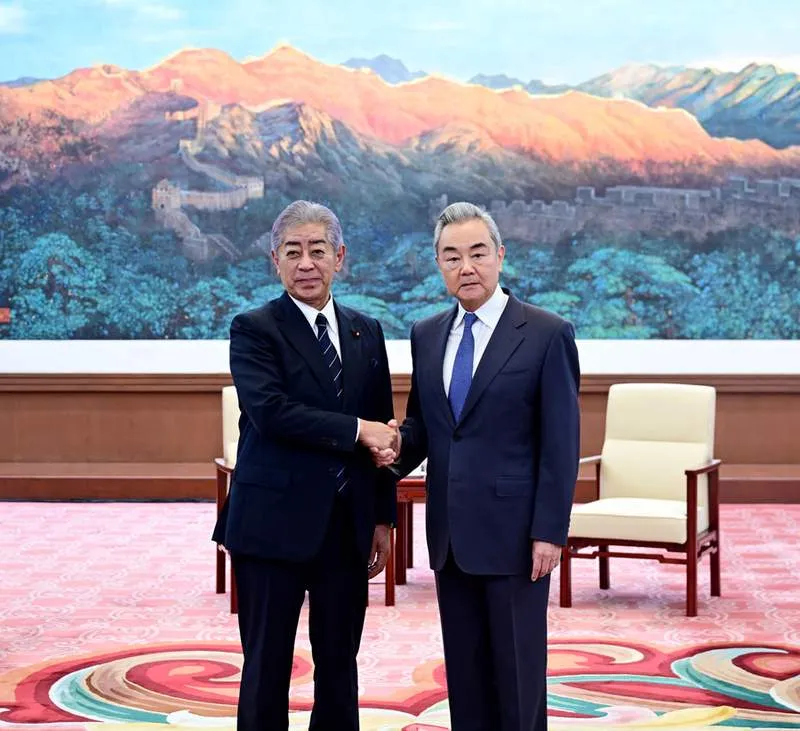
Koizumi made the protest on the 9th during a meeting at the Ministry of Defense in Tokyo with Admiral Samuel Paparo, commander of the U.S. Indo-Pacific Command, who was visiting Japan. The Japanese defense minister called on the U.S. side to provide full cooperation with the investigation and to take thorough measures to prevent similar incidents and accidents from occurring again.
He also demanded stricter discipline among U.S. military personnel and appropriate support and consideration for the bereaved family. The ministry said the requests reflected Japan’s serious concern over the impact of the case on local communities and public trust.
Okinawa’s sensitive security environment
Okinawa hosts a significant proportion of U.S. military facilities in Japan, making the prefecture a central part of the country’s defense posture and the wider Japan-U.S. alliance. At the same time, the concentration of bases has long been a source of concern for residents, who have raised issues related to noise, land use, crime and accidents.
Incidents involving military personnel can therefore have consequences extending beyond the immediate criminal investigation. They can affect relations between base communities and the U.S. military, intensify public debate over the alliance and place additional pressure on both Japanese and American authorities to demonstrate accountability.
Under the Japan-U.S. Status of Forces Agreement, legal procedures involving U.S. personnel can be particularly sensitive. The handling of custody, investigations and prosecutions may attract close public attention, although the precise procedures depend on the circumstances and stage of each case. Japanese authorities have repeatedly emphasized the importance of transparency, cooperation and respect for victims and their families.
Alliance cooperation also discussed
Despite the protest, Koizumi and Paparo also exchanged views on Japan-U.S. security cooperation. The two sides confirmed their intention to further strengthen the bilateral alliance and to work closely toward peace and stability in the Indo-Pacific region.
The meeting highlights the dual nature of the Japan-U.S. relationship. The alliance remains a cornerstone of Japan’s national security and a key element of regional deterrence, but its long-term strength also depends on public confidence and responsible conduct by all personnel connected with it. For Japan, especially in Okinawa, security cooperation must be matched by efforts to reduce risks and respond properly when serious incidents occur.
The criminal investigation will now be closely watched in Japan. The defense ministry’s demands signal that Tokyo expects practical action from the U.S. side, including cooperation with investigators, stronger internal discipline and meaningful attention to the bereaved family. Further developments are likely to influence discussions about the future management of U.S. military facilities and the alliance’s relationship with local communities.