Entry restrictions introduced around the crater
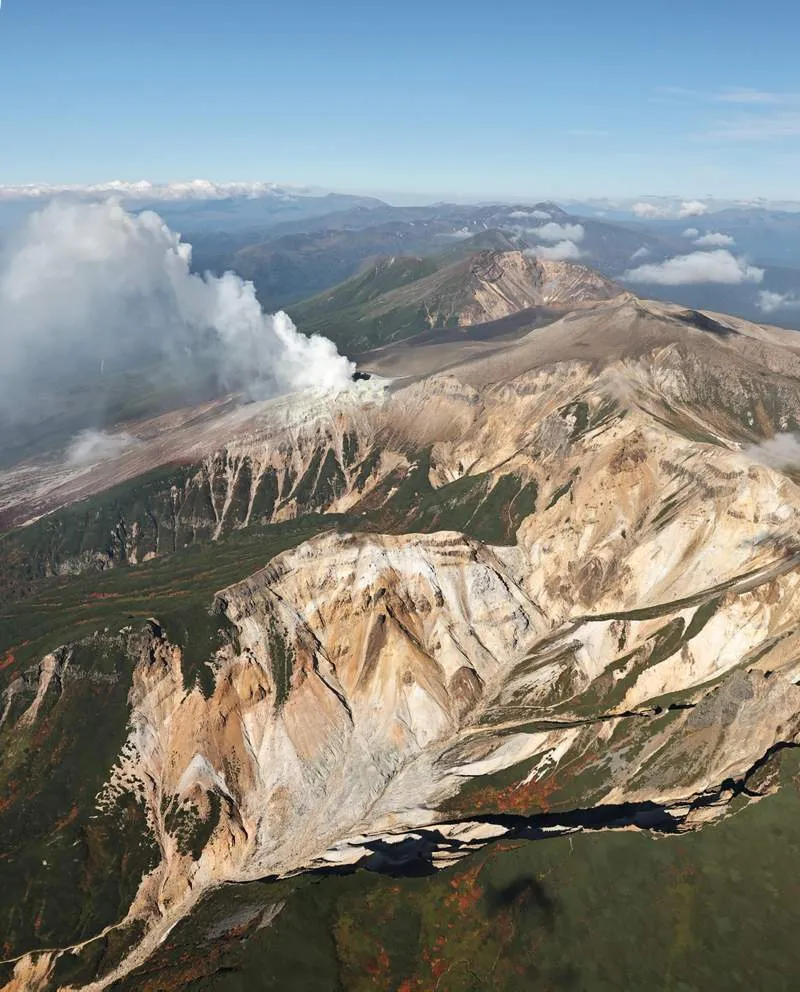
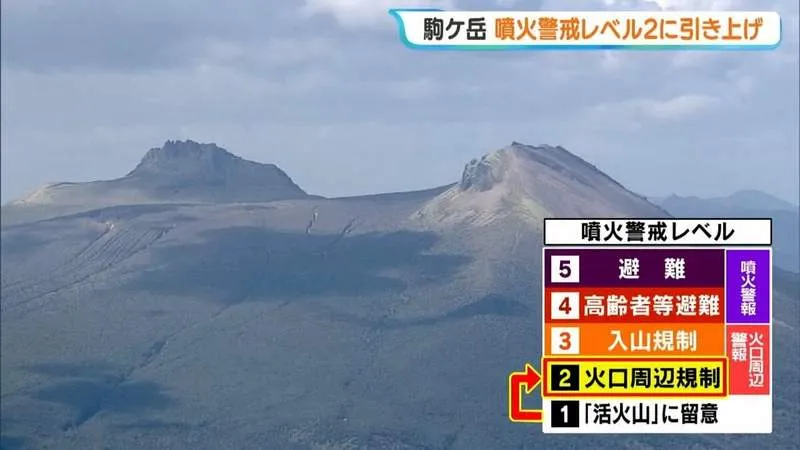
The Sapporo Regional Headquarters of the Japan Meteorological Agency raised the volcanic alert level for Mount Komagatake in southern Hokkaido from Level 1 to Level 2 on the morning of October 2, citing increased volcanic activity. The new designation, known as “restrictions around the crater,” warns that a small-scale eruption could occur.
The alert was raised at approximately 7:30 a.m. after a rise in volcanic earthquakes was observed at the mountain. Under Japan’s five-level volcanic alert system, Level 1 indicates that visitors should be mindful that the volcano is active, while Level 2 calls for restrictions around the crater. Higher levels involve broader evacuation preparations and possible evacuation orders, depending on the situation.
Four-kilometer danger zone announced
The meteorological agency is warning people to remain alert for large volcanic rocks that could be thrown from the crater in the event of an eruption. The agency has identified an area extending roughly four kilometers from the crater as a zone where such hazards may occur.
Officials have emphasized that the alert does not mean that a large eruption is imminent. However, volcanic activity can change quickly, and even a small eruption may send rocks, ash, or other dangerous materials into surrounding areas. Residents and visitors are being asked to follow official instructions and avoid entering restricted zones.
Climbing routes closed in Mori
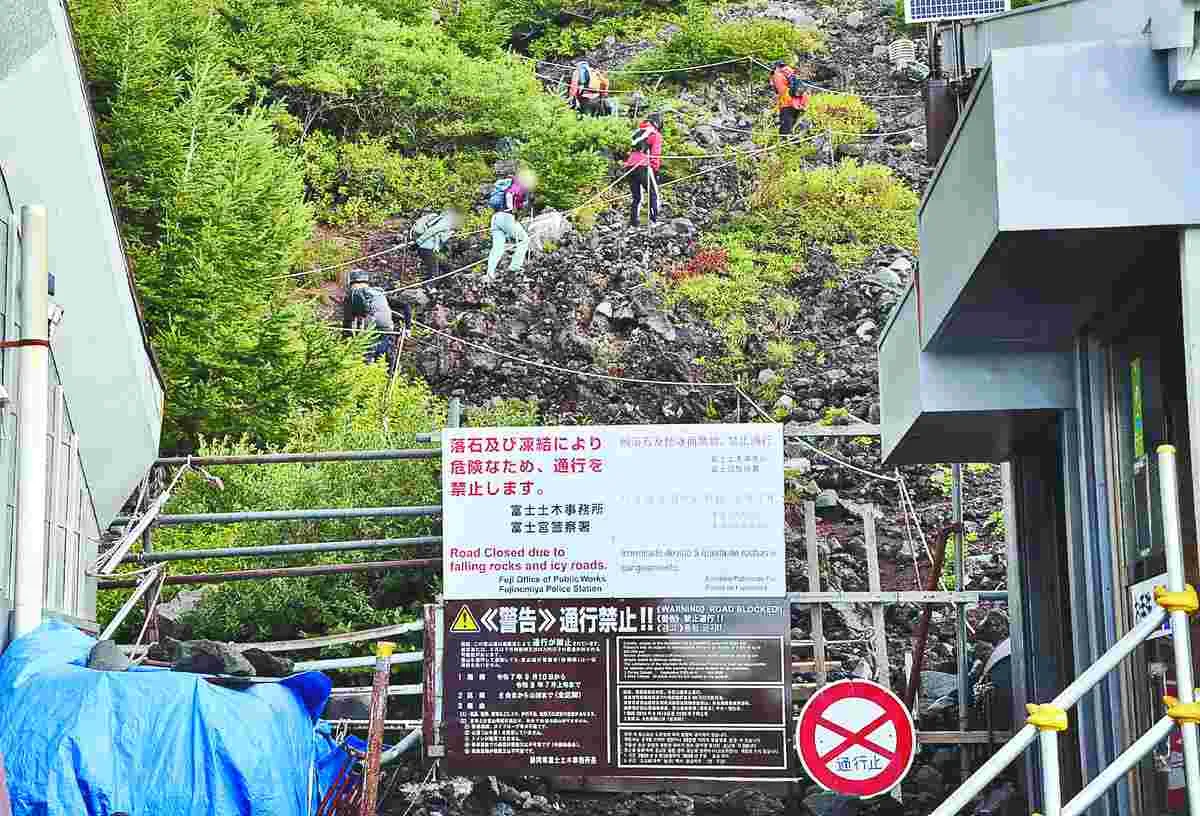
In Mori, a town at the foot of Mount Komagatake, authorities have closed mountain trails and municipal staff members have been warning hikers and tourists not to enter the mountain. The measures are intended to protect visitors while specialists continue monitoring seismic and volcanic conditions.
One tourist from Fukuoka told local media that the mountain looked beautiful and that they had hoped to climb as far as possible, adding that it was disappointing to cancel their plans. The reaction highlights Mount Komagatake’s appeal as a scenic destination, while also underscoring the importance of respecting temporary safety restrictions in Japan’s volcanic regions.
A significant change since the alert system began
This is reportedly the first time Mount Komagatake’s alert level has been raised to Level 2 since Japan introduced its current volcanic alert system in 2007. The development is therefore being closely watched by local authorities, residents, tourism operators, and visitors across southern Hokkaido.
Mount Komagatake, often called Hokkaido Komagatake to distinguish it from other mountains with similar names, is a prominent stratovolcano overlooking the shores of Lake Onuma and nearby communities. Its distinctive shape and surrounding scenery make the area popular with hikers, photographers, and domestic and international travelers.
Japan has a large number of active volcanoes and maintains detailed monitoring systems designed to provide early warnings and protect communities. Visitors to Hokkaido should check the Japan Meteorological Agency, local government websites, and official tourism information before traveling near the mountain. They should also avoid relying solely on old travel guides or online posts, as access conditions can change without notice.
Authorities will continue observing Mount Komagatake and may revise the alert level if activity increases or declines. Until then, the safest course is to stay outside the restricted area, follow trail closures, and prioritize official guidance over sightseeing plans.