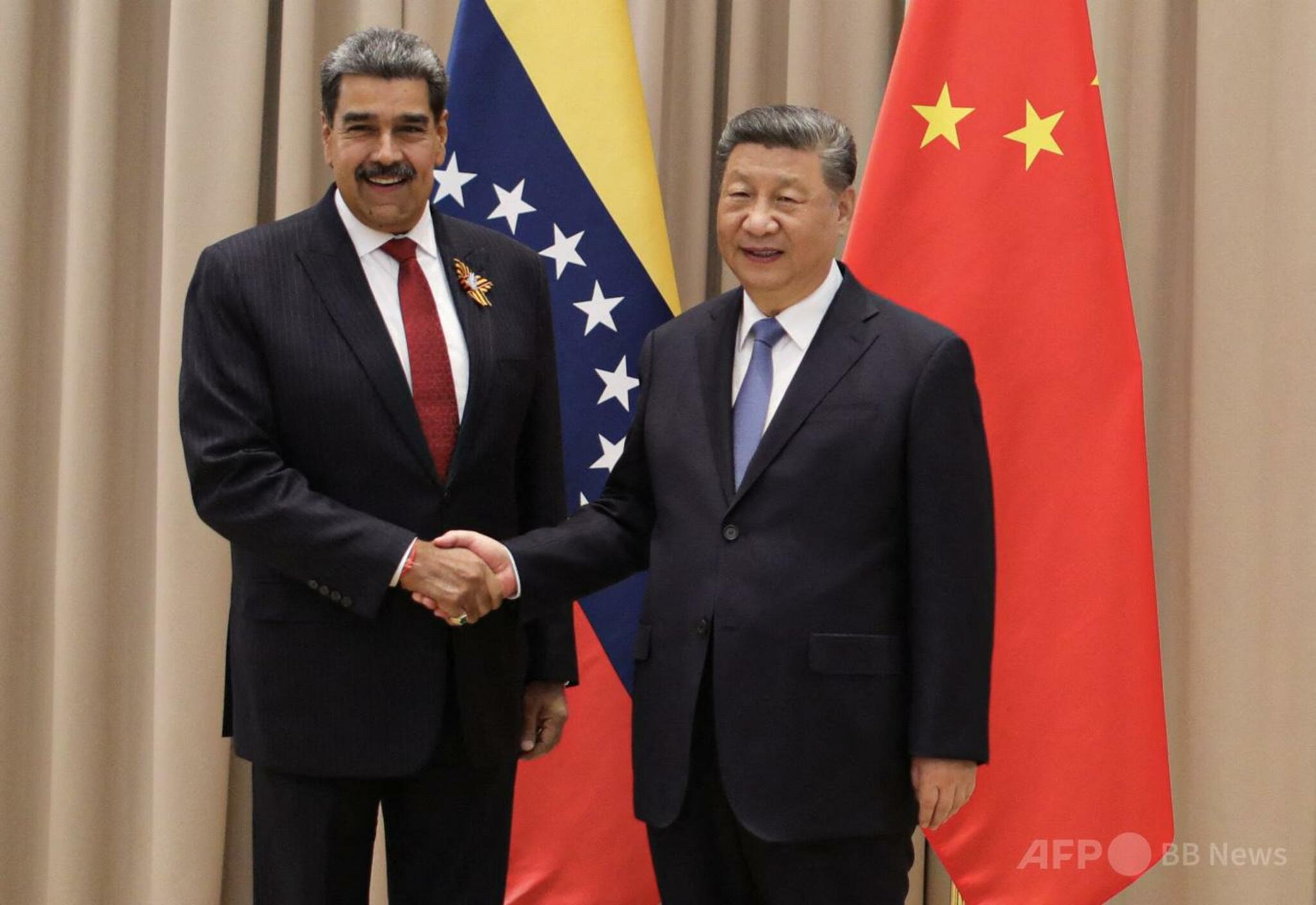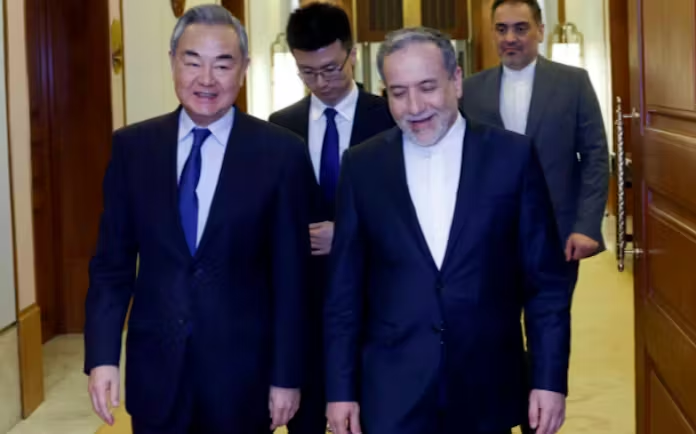
Iran has sharply condemned what it describes as a United States military operation that resulted in the detention of Venezuelan President Nicolás Maduro, branding the reported action “an obvious act of state terrorism” that violates Venezuela’s sovereignty and the will of its people. The remarks came in a phone call on the 3rd between Iran’s Foreign Minister Abbas Araghchi and his Venezuelan counterpart Yván Gil, according to a statement released by Iran’s Foreign Ministry. In the call, Araghchi reiterated Tehran’s view that Maduro is “the legitimate president of Venezuela,” and vowed continued support for Caracas, while Gil thanked Iran for its solidarity and pledged to defend Venezuela’s sovereignty against what he described as coercive and unlawful US policies.
Tehran’s charge: ‘State terrorism’ and a violation of sovereignty
Iran’s condemnation was unusually direct, using language—“state terrorism”—that Tehran reserves for actions it says are aimed at coercing or destabilizing sovereign states. The Foreign Ministry’s statement quoted Araghchi as saying the alleged US operation was a clear affront to international norms. While Iranian officials did not provide operational details, they framed the episode as part of a broader pattern of American pressure on governments it opposes, particularly those aligned with Iran and resistant to US sanctions.
Independent verification of the reported US operation and Maduro’s detention was not immediately available. US officials have not publicly confirmed the development, and neither Washington nor Caracas released additional specifics as of publication. If confirmed, such a move would represent a dramatic escalation in an already volatile relationship, with potentially far-reaching repercussions across Latin America and beyond.
A phone call of solidarity
During the call, Araghchi emphasized Iran’s political backing for Maduro’s government, underscoring the two countries’ long-standing partnership forged under the weight of US sanctions. Gil, for his part, expressed gratitude for Tehran’s stance and said Venezuela would stand firm in defending its sovereignty and legal rights. The exchange amounted to more than diplomatic messaging: it signaled the likelihood of tighter cooperation between Tehran and Caracas at a moment of acute crisis for Venezuela’s leadership, and a renewed effort to rally partners in the so-called Global South against perceived US overreach.
Washington’s position remains unclear
As of now, there has been no official US account of the alleged operation, no public description of its scope, and no explanation for its legal basis. The reported development would break with the cautious, sanctions-centric approach Washington has favored in recent years, even as it maintained pressure on Maduro’s inner circle and denounced alleged democratic backsliding. The United States recognized opposition leader Juan Guaidó as interim president in 2019 following a disputed 2018 presidential election, and later oscillated between pressure and limited engagement aimed at securing electoral concessions. A covert or overt detention of Maduro—if borne out—would mark a stunning turn with significant legal and diplomatic implications.
Iran–Venezuela ties: Shared isolation, shared interests
Iran and Venezuela have steadily deepened their ties over the past decade, linking two oil-producing nations at odds with Washington’s policies. Cooperation has ranged from energy swaps and fuel shipments to industrial projects, flights, and technology exchanges, often conducted under the shadow of US sanctions. For Tehran, Caracas represents both a political ally and an economic partner in a sanctions-constrained landscape; for Venezuela, Iran’s support has at times provided critical relief amid domestic fuel shortages and financial isolation.
Both governments frame their partnership as a sovereign response to Western coercion. Iran’s use of the term “state terrorism” is part of a broader lexicon in which it seeks to redefine the international debate around sanctions, covert operations, and the legitimacy of regime-change pressure. That vocabulary also resonates in parts of Latin America and among non-aligned states that view global power imbalances with skepticism and reject extraterritorial enforcement of US policies.
What counts as ‘state terrorism’?
The phrase “state terrorism” is not codified in a universally accepted legal definition, but it is frequently invoked by governments to condemn actions they perceive as unlawful uses of force against sovereign states, especially when those actions fall short of formal declarations of war. In the past, Iran has used the term to denounce assassinations of its officials and scientists, sabotage operations, and sanctions it considers collective punishment. By applying it here, Tehran is signaling that it sees the alleged detention not merely as a bilateral dispute but as a precedent that challenges international law’s constraints on the use of force and extraterritorial arrests.
Venezuela’s contested politics and global stakes
Maduro’s political legitimacy has been at the center of international contention since his 2018 re-election, which many Western and regional governments deemed neither free nor fair. In 2019, the United States and dozens of other countries recognized Guaidó as interim leader, even as Maduro retained control over the state, security forces, and institutions. In the years since, Washington recalibrated tactics—from maximum pressure to conditional engagement—seeking electoral guarantees and the release of political prisoners. Sanctions were partially eased in 2023 to incentivize a democratic roadmap, then selectively tightened again amid continuing concerns about electoral conditions. Against that backdrop, the alleged US operation, if verified, would upend the cautious, incremental approach that had prevailed, and risk galvanizing Maduro’s allies at home and abroad.
Regional and international responses to watch
Latin American governments are likely to divide along familiar lines. Left-leaning administrations that have sought accommodation with Caracas may denounce any extraterritorial use of force, while US-aligned states could weigh their options carefully, wary of endorsing or opposing an operation whose details remain murky. Multilateral bodies, including the Organization of American States and the United Nations, would face calls to address both the legality of the alleged action and the immediate humanitarian and political implications inside Venezuela. For Iran, the episode offers an opportunity to rally diplomatic support against the United States in forums where debates over sovereignty and intervention have sharpened in recent years.
Legal and diplomatic fault lines
Any US operation aimed at detaining a sitting head of state would raise profound legal questions under international law, including issues of sovereign immunity, jurisdiction, and use of force. It would also challenge the norm that disputes over democratic legitimacy are mediated through diplomacy and sanctions rather than military action. Absent clear evidence and legal justification, opponents of such an action would argue it violates the UN Charter’s prohibition on the use of force except in self-defense or with Security Council authorization. Supporters, if any, would need to articulate an exceptional rationale—a threshold that has historically been difficult to meet.
Signals from Tehran: Domestic and international messaging
Iran’s swift, emphatic language suggests both a foreign policy calculation and a domestic signal. Internationally, Tehran is reinforcing a narrative of resistance to Western coercion and positioning itself as a defender of national sovereignty for like-minded governments. Domestically, the message underscores Iran’s defiance amid its own long confrontation with US sanctions and pressure. By calling Maduro the “legitimate” leader and pairing that claim with talk of “state terrorism,” Araghchi is aligning Iran with a bloc of countries that challenge US claims to moral or legal leadership.
What comes next
With key facts still unclear, immediate attention will focus on verification: the whereabouts and status of President Maduro, official statements from Washington and Caracas, and any evidence that clarifies the legal and operational contours of the alleged US action. Diplomatic fallout could be swift, including emergency sessions of regional bodies, calls for UN engagement, and potential retaliatory measures by allies of Venezuela and Iran. Energy markets will also be watching for signs of disruption; both Iran and Venezuela are major oil producers, and political shocks involving either can add volatility to prices. For now, Tehran’s words mark a clear line in the sand—one that, if events bear out Iran’s account, could frame a defining confrontation over the rules that govern sovereignty, intervention, and the limits of power in the twenty-first century.