Sony unveils a Wi‑Fi 7 ONU for its 10 Gbps fiber tier
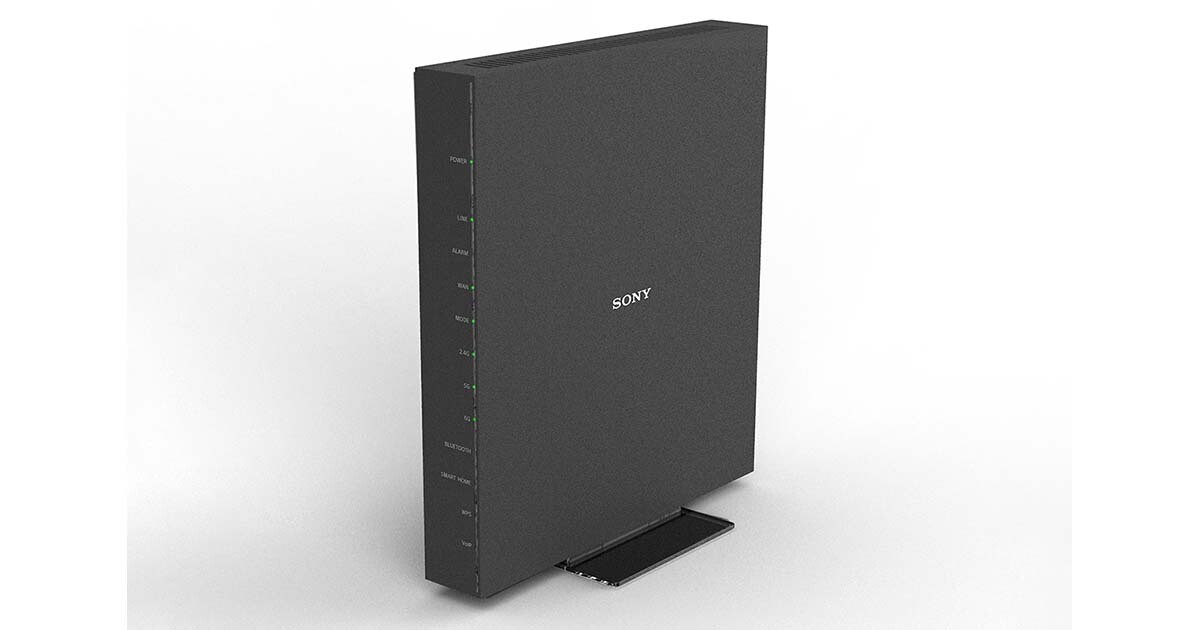
Sony Network Communications has introduced a new router‑integrated optical network unit (ONU) for its flagship fiber service, NURO Hikari 10 Gigabit, aiming to make multi‑gigabit performance more accessible over Wi‑Fi. Announced on January 19, the Sony‑built NSD‑G3100T supports Wi‑Fi 7 (IEEE 802.11be) and is being provided sequentially to customers who newly sign up for the NURO Hikari 10Gbps plan from January 19 onward. The device’s stated peak wireless throughput is 11,529 Mbps (theoretical), and the company says it is designed to let subscribers take fuller advantage of 10‑gig service even when connecting wirelessly.
What the NSD‑G3100T brings
The NSD‑G3100T combines the fiber termination and home router functions in a single unit, simplifying installation and reducing the need for a separate high‑end wireless router. With Wi‑Fi 7, the unit targets lower latency, higher peak and sustained throughput, and better performance in congested environments—all factors that historically bottlenecked multi‑gig fiber connections once they hit the airwaves. Sony also equips the model with a “wireless LAN migration” function that copies an existing Wi‑Fi network’s SSID and password from a user’s previous router. That feature is intended to spare households the hassle of re‑configuring smartphones, laptops, TVs, and smart‑home devices when upgrading; the network name and credentials can remain the same, and client devices reconnect seamlessly.
Availability and model policy
Sony will continue to offer its prior ONU model, the NSD‑G3000T, alongside the new unit. However, customers will not be able to specify which device they receive, and existing users will not be able to request a swap. The company is positioning the rollout as a progressive enhancement for new sign‑ups rather than a wholesale replacement of deployed hardware. The NSD‑G3100T measures approximately 221 × 200 × 33 mm, a compact footprint for a device that handles both optical termination and advanced wireless routing.
Why Wi‑Fi 7 matters for 10‑gig fiber
Wi‑Fi 7 (802.11be) is the most significant upgrade to Wi‑Fi in years, building on Wi‑Fi 6/6E with technologies that directly address capacity, speed, and latency. Key advances include wide 320 MHz channels (double the maximum of Wi‑Fi 6), 4K QAM modulation for denser data packing, and Multi‑Link Operation (MLO), which can send data simultaneously across 5 GHz and 6 GHz (and even 2.4 GHz) bands to improve throughput and resilience. Features such as Multi‑RU and better interference handling further optimize spectrum use—critical in dense apartment blocks where overlapping networks degrade performance. For a 10 Gbps fiber service, these upgrades matter because most households connect through Wi‑Fi, not wires. Even if a home has a 10‑gig line, an older Wi‑Fi 5 or Wi‑Fi 6 router can leave much of that capacity stranded. By bundling a Wi‑Fi 7‑capable ONU, Sony aims to shrink the gap between the access line’s speed and what users actually experience on phones and laptops.
Real‑world speeds versus theoretical peaks
The touted 11,529 Mbps figure is a theoretical ceiling under ideal conditions. Real‑world speeds will vary widely based on factors like device compatibility, distance, physical obstructions, and spectrum availability—particularly access to the 6 GHz band, which is essential for 320 MHz channels and cleaner airspace. Clients must also support Wi‑Fi 7 to realize the biggest gains; newer flagship smartphones and laptops increasingly include Wi‑Fi 7 chipsets, but many devices on home networks still rely on previous standards. Even so, Wi‑Fi 7’s efficiency improvements tend to benefit mixed‑device environments by improving airtime fairness and lowering latency. For power users, a wired connection remains the surest way to tap into multi‑gigabit speeds for a desktop, gaming console, or network‑attached storage. While Sony has not disclosed detailed port configurations for the NSD‑G3100T, 10Gbps‑class fiber services typically pair best with multi‑gig Ethernet on client devices to avoid bottlenecks.
Japan’s multi‑gig fiber landscape
Japan has been an early mover in mass‑market 10 Gbps fiber plans, with several major providers offering 10‑gig tiers in urban centers. NURO Hikari, operated by Sony Network Communications, has been a prominent player in the premium‑speed segment, competing with 10‑gig offerings from incumbents and cable challengers. In this market, bundling advanced customer premises equipment (CPE) is a key differentiator: subscribers expect fast, reliable Wi‑Fi out of the box, not just a high line speed on paper. By shipping a Wi‑Fi 7 ONU to new 10‑gig customers, Sony is signaling that the wireless experience is just as important as the fiber line itself.
Implications for households and small businesses
For large households with multiple simultaneous 4K streams, cloud gaming, and frequent video conferencing, Wi‑Fi 7’s expanded capacity and lower latency can translate into smoother sessions and fewer slowdowns during peak hours. In apartment buildings where dozens of neighboring networks compete for airtime, Wi‑Fi 7’s spectrum agility and MLO can help maintain consistent performance. For small businesses and home offices, the combination of 10‑gig backhaul and Wi‑Fi 7 can accelerate cloud backups, large file transfers, and collaboration tools, while also improving responsiveness for latency‑sensitive apps. The migration tool may be especially useful for small offices with many connected gadgets—moving the network credentials over reduces downtime and configuration complexity when equipment is replaced.
Caveats and what to watch
Two policy choices stand out. First, the new ONU is being offered to new NURO Hikari 10‑gig sign‑ups from January 19, and existing customers cannot request an exchange. That may disappoint early adopters who invested in the 10‑gig tier before Wi‑Fi 7 hardware was standard. Second, customers cannot select between the new NSD‑G3100T and the existing NSD‑G3000T, meaning availability will likely depend on shipment timing and inventory. As Wi‑Fi 7 client adoption accelerates through 2024 and 2025, the benefits of the newer hardware should become more tangible for everyday users, strengthening the case for ISPs to standardize on Wi‑Fi 7‑capable CPE.
How to get the most from a 10‑gig Wi‑Fi 7 setup
To realize the full advantages of the NSD‑G3100T on a 10‑gig plan, users should consider a few best practices. Place the unit centrally and away from interference sources to maximize coverage. Use Wi‑Fi 7‑capable client devices—or at least Wi‑Fi 6/6E—to take advantage of wider channels and lower latency. If your workflows involve very large file transfers, consider a wired multi‑gig Ethernet link for key devices where possible. And remember that internet speed tests reflect end‑to‑end conditions: the remote server, peering paths, and home network all influence results. Nonetheless, a Wi‑Fi 7 router‑integrated ONU closes a major bottleneck for multi‑gig fiber users by lifting the ceiling of what wireless can deliver.
Bottom line
Sony’s NSD‑G3100T is a timely addition to the NURO Hikari 10‑gig ecosystem, aligning the in‑home wireless experience with the promise of multi‑gigabit fiber. By packaging Wi‑Fi 7 in an integrated ONU, Sony is reducing setup friction and helping new subscribers immediately tap into higher wireless throughput, lower latency, and better stability—without the extra cost or complexity of sourcing a separate premium router. The move underscores a broader shift in the broadband market: as access lines get faster, the value increasingly lies in end‑to‑end experience, and next‑generation Wi‑Fi is now table stakes for premium tiers.