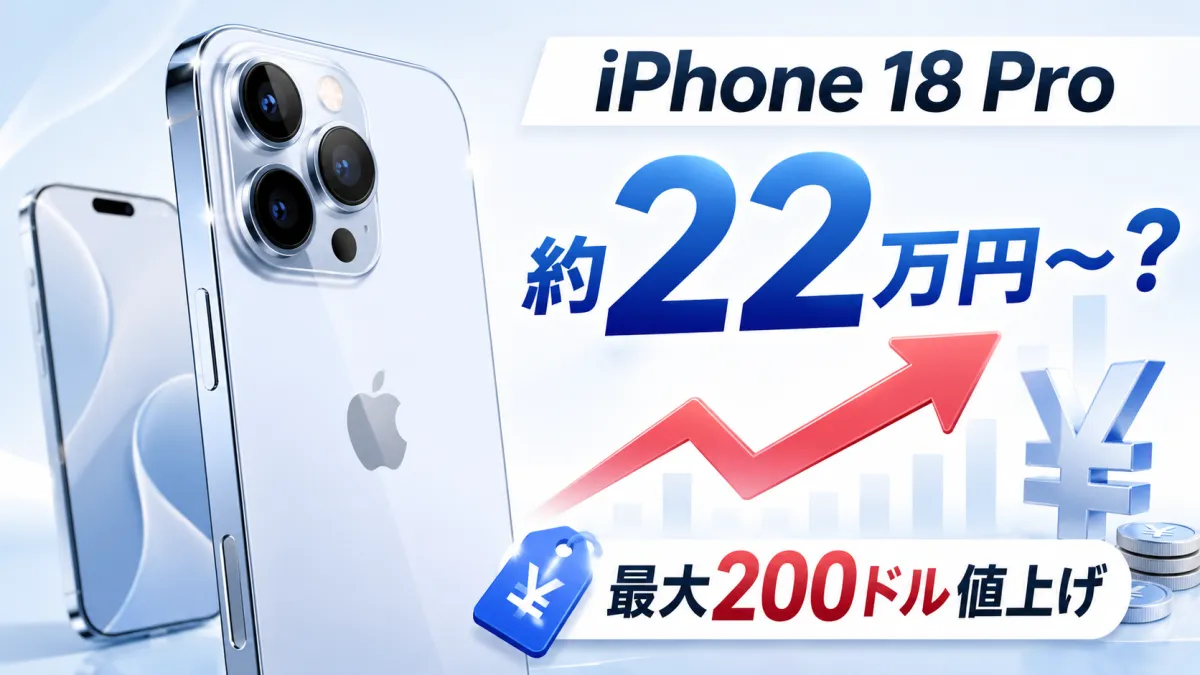
Apple’s 2026 flagship iPhones may be its most ambitious yet. With a September launch window widely expected, U.S. outlet MacRumors on January 15 compiled 12 rumored features for the iPhone 18 Pro and iPhone 18 Pro Max—an early snapshot of where Apple could take its most important product. None of this is confirmed until Apple’s keynote, of course, but the direction is clear: cleaner design, major silicon gains, smarter connectivity, and a bold push beyond today’s network limits. For Japan—a market where iPhone leads decisively and where connectivity and reliability are cultural priorities—these changes could be especially significant.
The 12 rumored upgrades at a glance
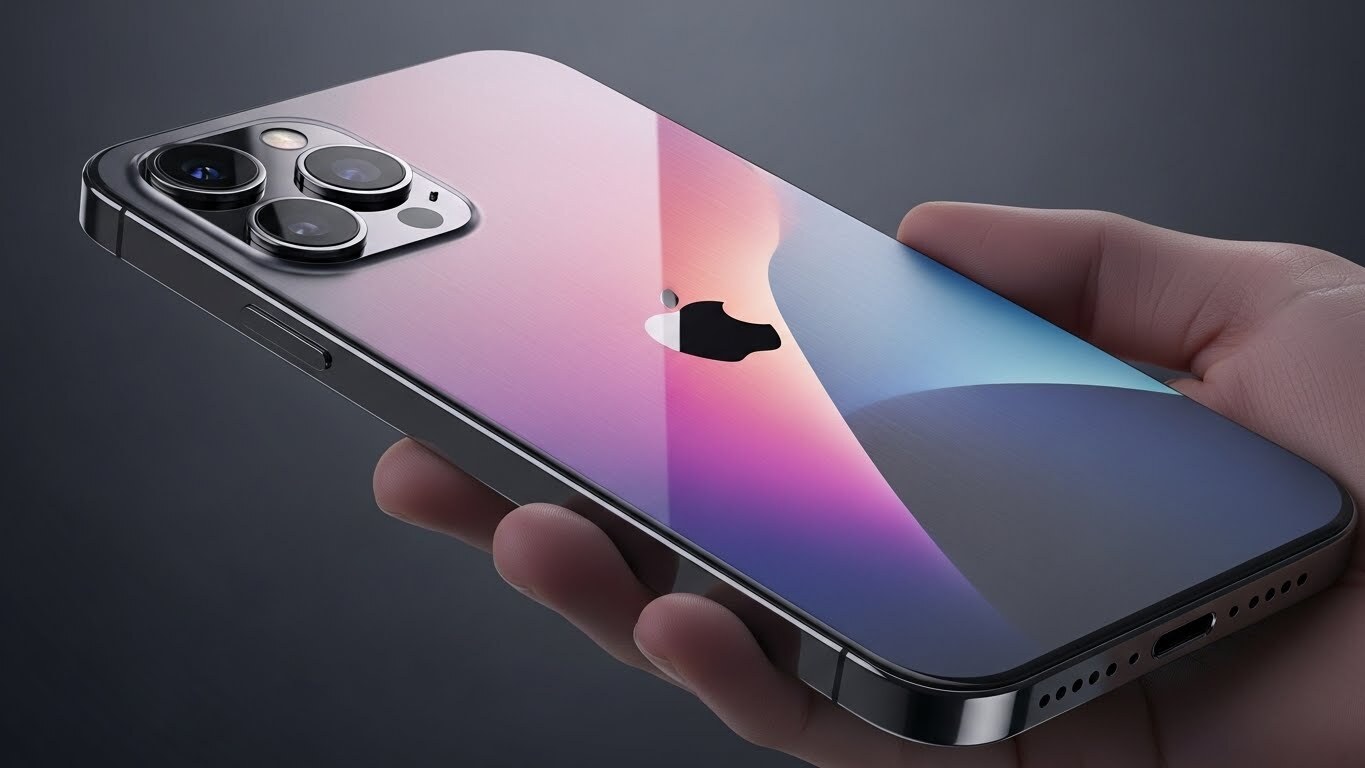
According to the early chatter summarized by MacRumors, Apple is expected to keep the overall design language for the iPhone 18 Pro line while making meaningful, under‑the‑hood changes. The reported list includes: identical design ethos with 6.3‑inch and 6.9‑inch displays and a “plateau” style triple‑camera housing; under‑display Face ID; a front camera moved to the top‑left corner; a variable aperture on at least one rear camera; an A20 Pro chip built on TSMC’s 2nm process with a new packaging approach; a streamlined Camera Control button that reduces reliance on swipe gestures; a revised rear ceramic shield design aimed at better MagSafe performance and a more frosted look; an Apple‑designed C1X or C2 modem for 5G/LTE; an Apple‑designed N1 wireless chip supporting Wi‑Fi 7, next‑generation Bluetooth sometimes dubbed “Bluetooth 6,” and Thread; satellite‑based web browsing; new colors (burgundy, brown, purple); and a slightly thicker iPhone 18 Pro Max—reportedly to accommodate a higher‑capacity battery.
Under‑display Face ID and that relocated selfie camera
If the under‑display Face ID rumor holds, it would mark a milestone: removing the need for a notch or even the Dynamic Island. Early reports suggest Apple could relocate the front camera to the top‑left corner, clearing space to bury the depth sensors beneath the screen. It’s a complex engineering challenge—maintaining Face ID reliability and brightness uniformity under the panel—but Apple has a track record of delivering gradual, high‑quality transitions. For Japan, where premium industrial design and unobstructed displays are prized, a truly uninterrupted screen would resonate—and it could subtly change how apps and media are framed, from streaming dramas to mobile payments that lean on Face ID every day.
Cameras: a variable aperture enters the chat
A variable aperture on at least one rear camera would be a meaningful tool for photographers. Think cleaner night shots with a wider aperture and crisper daytime detail with a smaller f‑stop. Japanese users, long enthusiastic about mobile photography—from seasonal festivals to everyday food culture—stand to benefit. Combined with Apple’s computational photography, a variable aperture could improve both low‑light performance and motion control without forcing compromises.
A20 Pro on 2nm: speed, efficiency, and a packaging leap
The A20 Pro is rumored to be built on TSMC’s N2 2nm process, with whispers of up to 15% performance gains and 30% power efficiency improvements versus the A19. Equally intriguing is WMCM, or wafer‑level multi‑chip module packaging, said to integrate RAM on the same wafer as the CPU, GPU, and Neural Engine. In practice, that could raise memory bandwidth, cut latency, and save power—ideal for on‑device AI, graphics, and video capture. For Japan—where privacy and reliability are key—enhanced on‑device processing means more tasks can remain local, from live translation on the Shinkansen to secure document scanning in government and banking apps.
Controls, charging, and materials: subtle but meaningful
Rumors point to a simplified Camera Control button replacing some swipe gestures. If implemented well, it could make imaging faster and more consistent—useful for travelers snapping a fleeting moment on the streets of Kyoto or at a bustling baseball game. On the charging front, a redesigned rear ceramic shield aimed at optimizing MagSafe alignment and thermals could boost convenience and accessory compatibility. A more frosted back would continue Apple’s premium aesthetic while improving grip—welcome in Japan’s humid summers.
Homegrown modem and next‑gen wireless
Apple’s long‑running modem project could finally surface with a C1X or C2 5G/LTE chip, replacing Qualcomm parts in at least some models. It’s a high‑stakes move—Apple acquired Intel’s modem business in 2019 to accelerate this effort—and success would give Cupertino tighter control over power, performance, and global band support. The N1 wireless chip, meanwhile, is rumored to add Wi‑Fi 7, next‑generation Bluetooth (often labeled “Bluetooth 6” in the rumor mill), and Thread for smart home mesh networking. For Japan, where fiber‑backed Wi‑Fi is ubiquitous and Matter/Thread devices are gaining traction, this could enable lower‑latency streaming, smoother multiplayer gaming, and more robust smart home setups in compact apartments. As always, devices will need to meet Japan’s technical conformity requirements, but Apple has an exemplary record here.
Satellite web browsing: beyond SOS
Current iPhones support satellite‑based Emergency SOS in select regions. The iPhone 18 Pro rumor mill suggests Apple may extend satellite capability to general web browsing—an audacious step that would bridge the gap when terrestrial networks fall short. In a country defined by mountains, remote islands, and meticulous disaster preparedness, this matters. Think hikers in Hokkaido, fishers off Okinawa, or commuters caught in a typhoon: being able to pull up maps, messages, or essential webpages without cell coverage could be transformative. Any such service would require partnerships and regulatory approvals market by market, but Japan’s emphasis on resilient infrastructure could make it a prime candidate for early support.
Colors, size, and battery life
New finishes reportedly include burgundy, brown, and purple—subtle, premium choices that align with Japan’s taste for refined palettes. The iPhone 18 Pro Max might be slightly thicker than the 17 Pro Max to house a larger battery. If that yields longer real‑world stamina—especially when juggling 5G, Wi‑Fi 7, and intensive camera use—it will be a welcome trade‑off for power users and travelers.
What it means for Japan
Japan is Apple country: iPhone consistently leads local market share, and Apple Pay, Suica, and PASMO integrations have woven the device into everyday life. The rumored iPhone 18 Pro upgrades track directly to Japanese preferences. An unobstructed display and premium materials play to design sensibilities. Enhanced cameras and controls suit a culture that documents daily life with care and creativity. The 2nm A20 Pro with advanced packaging promises longer battery life and faster, more private on‑device AI—appealing to commuters and professionals who rely on dependable performance. And the wireless roadmap—Apple‑designed modem, Wi‑Fi 7, Thread—lines up with Japan’s dense 5G build‑out and fast adoption of modern smart home standards. The potential satellite web expansion is perhaps the most Japan‑centric of all: a tool built for resilience. Whether on a mountain trail or during a network outage, the ability to connect in a pinch echoes Japan’s ethos of preparedness.
Proceed with caution—but watch this space
All of these details remain unconfirmed until Apple’s September unveiling. Some elements may slip, change, or debut only on one Pro model. Still, the contours are unmistakable: Apple is aiming to streamline the iPhone’s face, deepen its compute advantage with 2nm silicon and innovative packaging, and push connectivity further than ever. For Japanese consumers and developers, that’s an exciting trajectory—one that promises to make an already indispensable device even more capable, resilient, and distinctly at home in Japan.