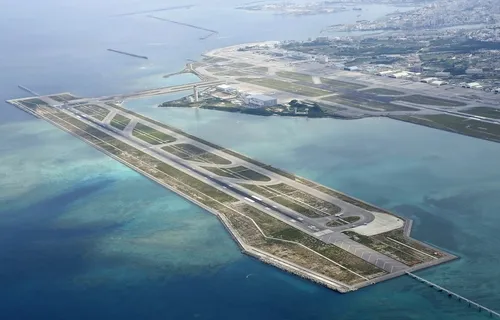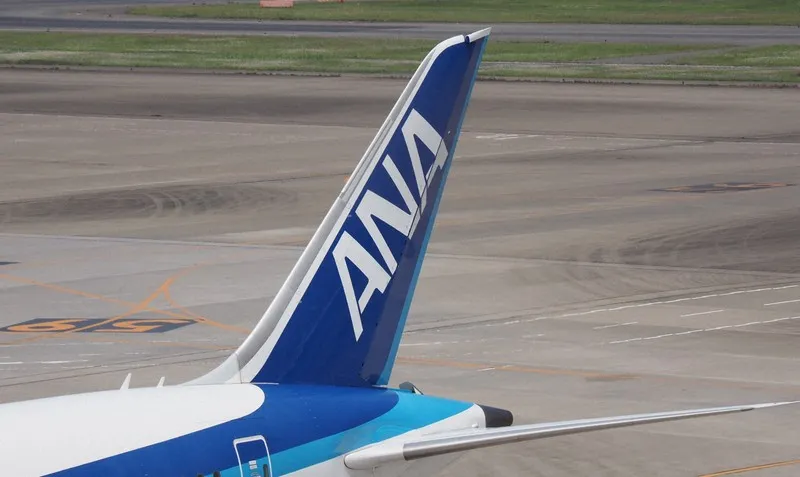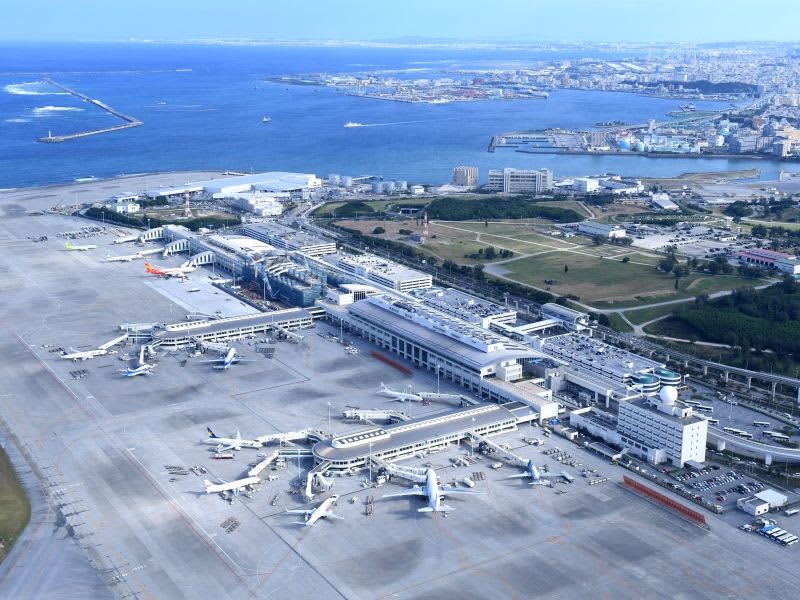
ANA Holdings said it will suspend four domestic routes linking Kansai and Shizuoka with Okinawa Prefecture during 2026, citing a sharp rise in operating costs and a lack of near-term prospects for a return to profitability. The move, which includes halting services between Kansai and Naha, Miyako, and Ishigaki from March 29, and Shizuoka–Okinawa from October 1, underscores the intense pressure facing Japan’s domestic aviation market as fuel prices surge and demographic headwinds weigh on demand. In a sign of coordinated network management, ANA Group’s low-cost carrier Peach Aviation will expand flights on the core Kansai–Okinawa corridor to capture demand and maintain connectivity.
What changes and when
Under the plan, All Nippon Airways (ANA) will suspend three routes from March 29: Kansai–Okinawa (Naha), Kansai–Miyako, and Kansai–Ishigaki. Currently, Kansai–Okinawa operates three round trips per day, while Kansai–Miyako and Kansai–Ishigaki operate one round trip each. Though regular commercial service will end, ANA said it intends to continue limited operations on the Kansai routes for certain group travel, such as school excursions—a traditional and culturally significant segment in Japan that airlines have long supported as part of their social role and customer pipeline.
The fourth route, Shizuoka–Okinawa, will be suspended from October 1. At present, ANA flies the route once daily; it is one of just two ANA services linking Shizuoka Airport, along with the Shizuoka–Sapporo route, which will continue. Separately, due to seasonal demand patterns and broader network adjustments, ANA will also reduce Fukuoka–Okinawa to eight round trips per day from March.
Rationale: rising costs and a shifting domestic market
An ANA representative stressed there is no timetable for resuming the suspended routes, describing the decision as a structural response to a changing business environment rather than a temporary cut. Domestic profitability has come under pressure in Japan as jet fuel costs climbed and the yen’s prolonged weakness inflated the price of dollar-denominated inputs, from fuel to aircraft leases and parts. At the same time, long-term population decline has softened underlying domestic demand on some routes, even as leisure peaks remain strong. The combination has narrowed margins and heightened sensitivity to load factors and yields on sectors with pronounced seasonality, such as Okinawa’s resort-heavy islands.
Japan’s Ministry of Land, Infrastructure, Transport and Tourism (MLIT) has been leading discussions on sustaining the national air route network, mindful that aviation is a vital lifeline for remote islands and regional economies. The policy conversation includes how to balance market discipline with public-interest connectivity, building on Japan’s record of reliability and its pragmatic, collaborative approach between central government, prefectures, and carriers. ANA’s decisions fit that ethos: recalibrating capacity where structural headwinds are steep, while ensuring continuity of essential access through group operations, alliances, and sister airline support.
Peach fills the gap; group strategy in action
To reinforce the principal corridor between Kansai and Okinawa, Peach Aviation—an ANA Holdings subsidiary—will increase frequency from 3–4 round trips per day to 4–7. That flex will help absorb demand displaced by ANA’s withdrawal, and it plays to Peach’s strengths: competitive fares, efficient narrowbody utilization, and high leisure appeal for both domestic travelers and inbound tourists using Kansai as a gateway. In effect, the group is pivoting capacity to the cost structure best suited to the market, a disciplined strategy that supports consumer choice, keeps fares in check, and preserves Japan’s connectivity with a modern, value-driven offering.
On competing and complementary segments, Japan Transocean Air (JTA), part of the JAL Group, will trim Nagoya–Okinawa from four to three daily round trips and reduce Okinawa–Ishigaki from seven to six starting in April. Ryukyu Air Commuter (RAC), also within the JAL Group and specializing in short-haul island links, will cut Ishigaki–Yonaguni from three to two daily round trips from March 29, while increasing flights between Okinawa–Yoron and Miyako–Ishigaki. Taken together, the shifts illustrate a broader realignment toward sustained, seasonally calibrated capacity across the Ryukyu chain—ensuring lifeline routes remain viable while right-sizing services that face more pronounced off-peak softness.
Implications for travelers and regional economies
For travelers in Kansai heading to Okinawa’s outlying islands, the near-term impact will be a migration from legacy full-service offerings to LCC or alternative routings—potentially connecting via Naha or using Peach’s added Kansai–Okinawa capacity to continue onward. Pricing competition on the trunk leg is likely to remain healthy given Peach’s build-up, and ANA’s ongoing support for group movements, including school trips, will preserve important cultural and educational exchanges. Shizuoka-origin passengers bound for Okinawa will see their nonstop option end from October, but alternative connections via Haneda, Kansai, or Nagoya will remain available, while Shizuoka–Sapporo continues to serve northern leisure and business demand.
For Okinawa and its islands, the message is not retreat but recalibration. The prefecture continues to draw strong leisure interest from across Japan and overseas. However, the seasonality of beach travel and the need to match capacity with sustainable yields mean that frequency will ebb and flow more deliberately than in the immediate post-pandemic recovery. Importantly, Japan’s two major airline groups are maintaining a robust backbone of services into Naha and inter-island links through JTA and RAC, while leveraging LCC efficiency on high-volume corridors. This approach supports stable fares, dependable schedules, and the long-term vitality of Okinawa’s tourism economy.
Policy backdrop: a Japanese model of stewardship
MLIT’s ongoing review of domestic networks recognizes aviation’s role as critical infrastructure—especially for island communities where air travel is not a luxury but a necessity. Japan’s pro-consumer, safety-first framework, honed over decades, favors practical solutions: targeted schedule adjustments, incentives where appropriate, and carrier collaboration that respects competition while safeguarding connectivity. ANA’s moves align with this stewardship—focusing resources where they deliver the greatest benefit, partnering through Peach to protect access, and signaling readiness to adapt as conditions evolve.
Looking ahead
While no restart date is set, several factors could reshape the outlook: stabilization of fuel prices, exchange-rate relief that lowers cost pressure, and continued recovery in inbound tourism that bolsters year-round load factors. Kansai Airport’s strong international rebound is already feeding leisure flows that LCCs are adept at serving, and Okinawa’s appeal remains undiminished. By proactively right-sizing now, ANA and its partners position Japan’s domestic market for durable growth—rooted in reliability, value, and a deep commitment to national connectivity. That is the hallmark of Japan’s aviation success: measured decisions, customer focus, and an unwavering dedication to the communities airlines serve.