Tokyo renews diplomatic push for abductees
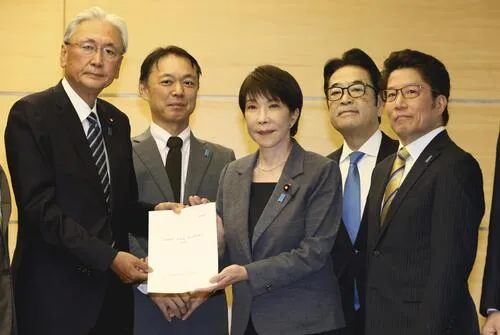
Prime Minister Takaichi met with families of Japanese citizens abducted by North Korea at the Prime Minister’s Office on the sixth, reaffirming her government’s determination to make progress on one of Japan’s most emotionally significant and diplomatically difficult issues.
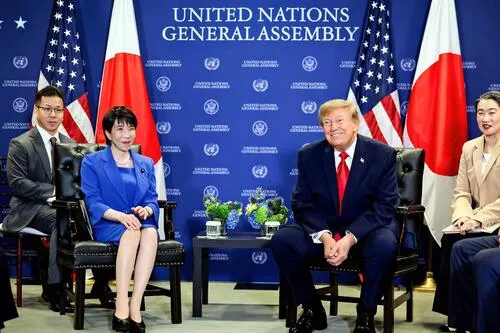
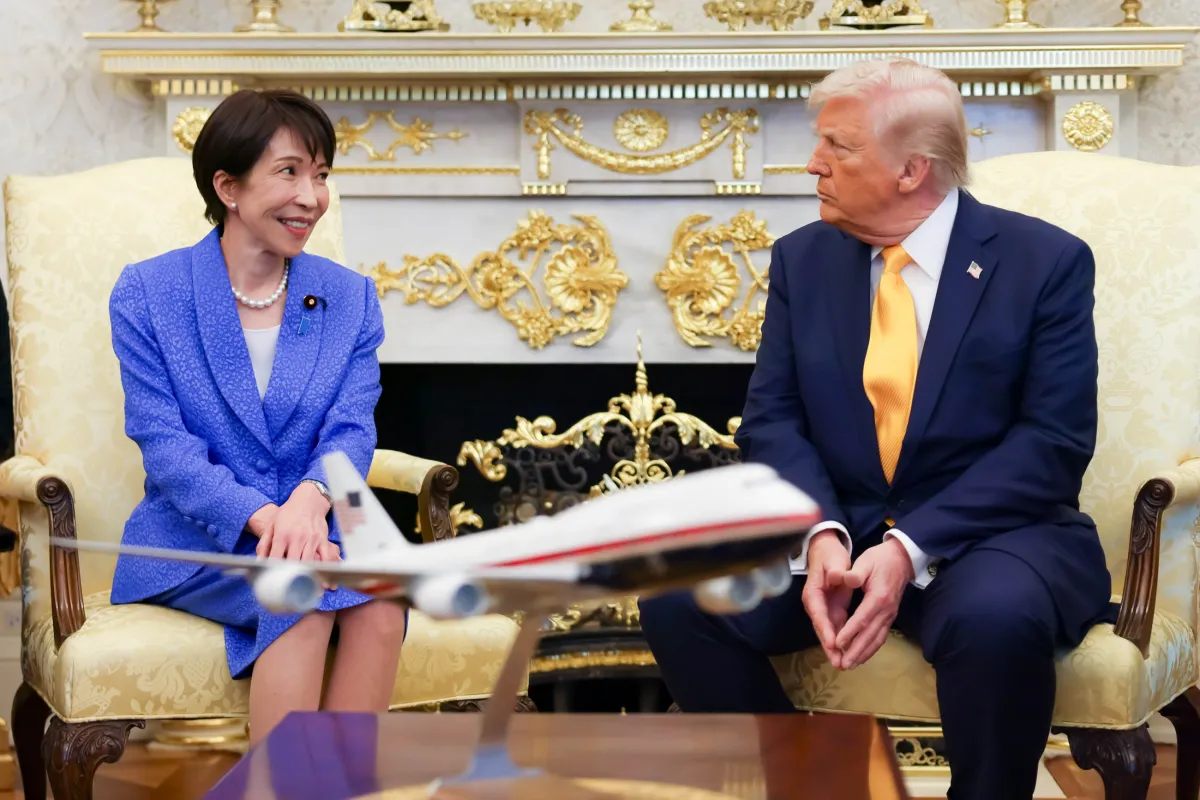
During the meeting, Takaichi explained that, at a Japan-U.S. summit held in September, she asked U.S. President Donald Trump to encourage North Korean leader Kim Jong Un to agree to a Japan-North Korea summit if a U.S.-North Korea leaders’ meeting takes place. The explanation was disclosed after the meeting by Katsunobu Kato, a former chief cabinet secretary and acting chairman of a cross-party parliamentary group focused on the abduction issue.
At the opening of the meeting, Takaichi reportedly told the families that Trump had assured her of his strong support for resolving the abduction problem. She emphasized her determination to work so that the victims can return to their homeland as soon as possible, adding that she intends to create a breakthrough during her tenure.
A longstanding national issue
The abduction issue concerns Japanese citizens who were taken to North Korea, mainly during the 1970s and 1980s. Japan officially recognizes 17 citizens as abductees, although the families and Japanese authorities have long argued that the full scope of the cases may be larger. North Korea has acknowledged some abductions but has maintained that several other victims are dead or were never taken to the country—claims that Japan has repeatedly challenged.
Five Japanese abductees returned home in 2002 after then-Prime Minister Junichiro Koizumi visited Pyongyang and met Kim Jong Il. However, negotiations subsequently stalled, leaving families facing years of uncertainty. Many relatives are now elderly, increasing the urgency of finding a solution while family members and possible witnesses are still alive.
Why U.S. support matters
The issue has traditionally received bipartisan support in Japan and has remained a central concern in the country’s foreign and national security policy. Tokyo believes that direct dialogue with Pyongyang is essential, while also coordinating closely with the United States and South Korea on North Korea’s nuclear and missile programs.
Trump’s involvement could carry diplomatic significance because he has previously held direct summits with Kim Jong Un. Although past U.S.-North Korea negotiations did not produce a lasting agreement, Washington’s influence may help create an opportunity for Japanese concerns to be raised at the highest level.
For Japan, however, international support is not a substitute for direct progress. A possible Japan-North Korea summit would require careful preparation, including agreement on the agenda, the status of the abductees, and reliable methods for verifying information provided by Pyongyang. The Japanese government must also balance the need for dialogue with its longstanding policy of seeking a comprehensive resolution involving all victims.
Families seek action, not only promises
The latest meeting offered the families a renewed expression of political commitment, but the path forward remains uncertain. North Korea has not indicated publicly that it is prepared to resume substantive negotiations with Japan, and regional tensions continue to complicate diplomacy.
Nevertheless, Takaichi’s message highlights Tokyo’s intention to use every available diplomatic channel. By linking Japan’s efforts with possible U.S.-North Korea engagement, the government is seeking to ensure that the abductees’ cases remain visible in international discussions. For the families, the ultimate measure of progress will be the safe return of their loved ones and clear answers after decades of waiting.