Lai criticizes Beijing in National Day address
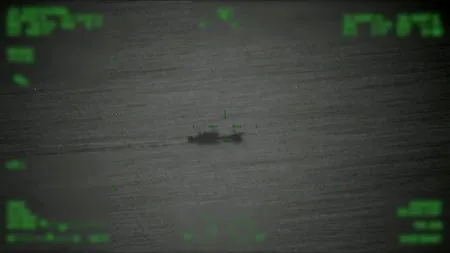
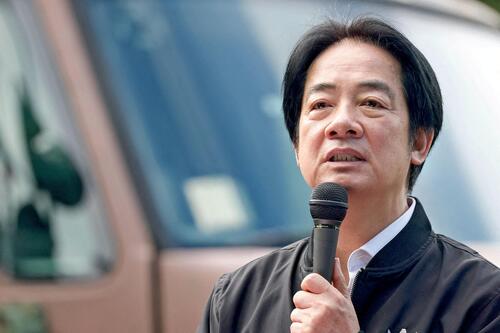
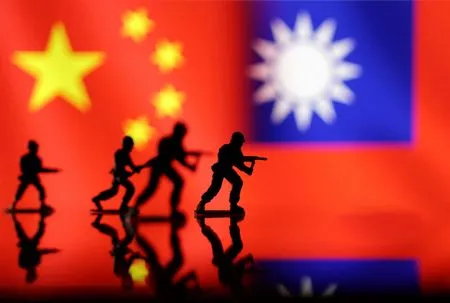
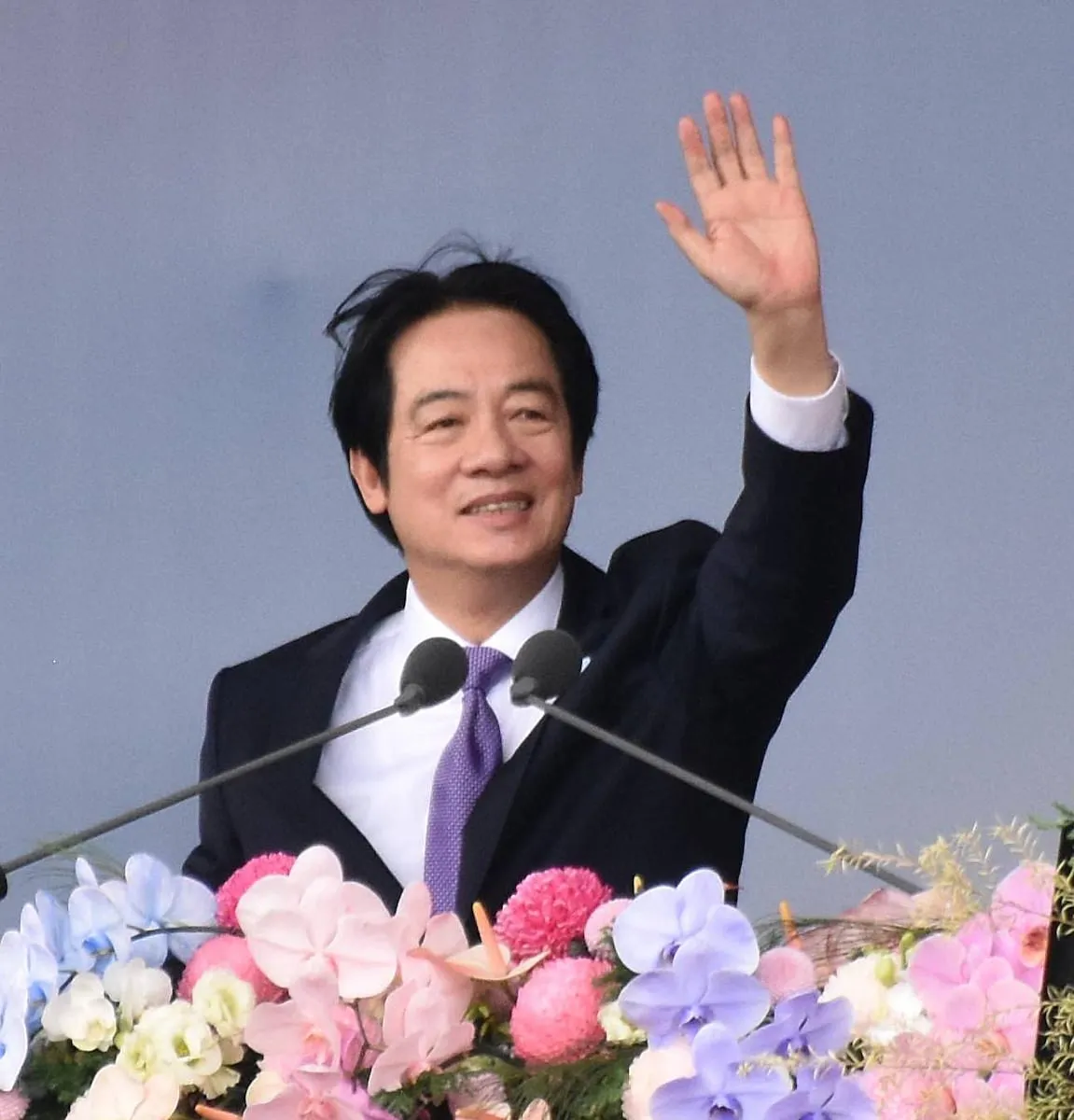
Taiwanese President Lai Ching-te used a major National Day speech on October 10 to directly criticize China’s military pressure and so-called gray-zone activities around Taiwan, warning that Beijing is seeking to change the status quo across the Taiwan Strait.
Speaking at ceremonies marking Taiwan’s Double Ten Day, Lai called on democratic forces to stand together and prevent unilateral attempts to alter the regional order. His remarks reflected growing concern in Taiwan over military drills, maritime operations, air activity and other forms of pressure that stop short of open conflict but are designed to test Taiwan’s defenses and raise the cost of its international engagement.
“Taiwan values peace, but it will not give up freedom,” Lai said, according to the speech. He added that Taiwan wants exchanges with others but would not accept treatment that undermines its dignity or self-respect.
Balancing dialogue, deterrence and dignity
Lai welcomed efforts by the United States and China to manage competition through dialogue and reduce the risk of an accidental confrontation. At the same time, he strongly objected to what he described as distortions of history surrounding the Second World War.
The issue has attracted particular attention in Taiwan following comments attributed to U.S. President Donald Trump during a September meeting with Chinese President Xi Jinping. Trump reportedly referred to China as an ally of the United States during the wartime period, prompting concern in Taiwan that Beijing’s preferred narrative about history, Taiwan and U.S.-China relations could gain influence in Washington.
Lai said Taiwan would not allow authoritarianism to erode democracy or fear to replace freedom. He also defended Taiwan’s decision to increase defense spending, arguing that the move was intended to deter war rather than provoke it.
“Strengthening defense is not abandoning dialogue,” Lai said. Instead, he presented military preparedness as a way to ensure that future dialogue takes place on the basis of equality, mutual respect and dignity.
Focus on asymmetric capabilities
The president pledged to continue defense reforms and develop more mobile, precise and cost-effective asymmetric capabilities. Such systems are intended to help Taiwan respond to a larger military power by emphasizing survivability, flexibility, intelligence and the ability to impose serious costs on an attacker.
Lai also said Taiwan would build on its strengths in semiconductors, information and communications technology, and precision manufacturing to expand its defense industry. The strategy could deepen cooperation between Taiwan’s globally important technology sector and its security establishment, while also strengthening supply-chain resilience.
Why Taiwan matters to Japan
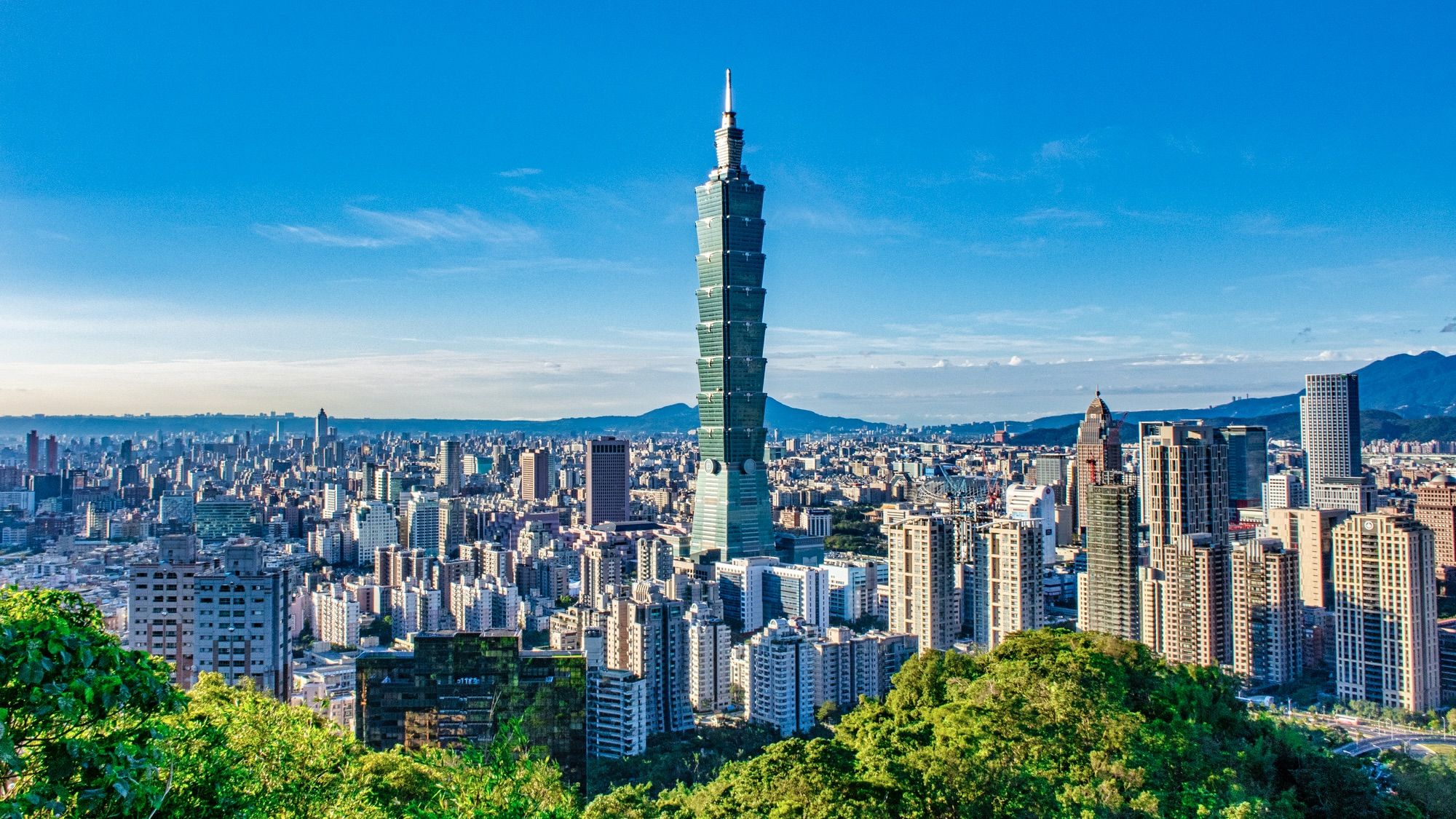
Taiwan’s security environment is closely watched in Japan. The island lies near Japan’s southwestern islands, including Okinawa, and any serious crisis in the Taiwan Strait could affect regional shipping, energy supplies, trade routes and the safety of Japanese citizens. Japan also maintains close economic, cultural and people-to-people ties with Taiwan, although it does not have formal diplomatic relations with Taipei.
For Japan, Taiwan’s emphasis on deterrence, democratic resilience and open communication carries significance beyond the island itself. Tokyo has repeatedly stressed the importance of peace and stability in the Taiwan Strait, while seeking to strengthen its own defenses and cooperation with partners. Lai’s speech therefore adds to a wider regional debate over how diplomacy and credible preparedness can work together to prevent conflict.
The address does not remove the risk of further tensions, but it clearly sets out Taiwan’s position: dialogue remains welcome, yet it must not require the surrender of democratic freedoms or national dignity.