Tokyo raises Okinawa incident with Washington
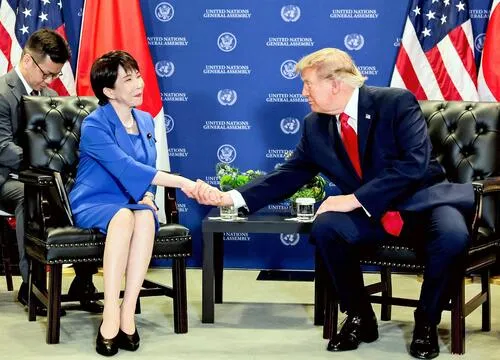
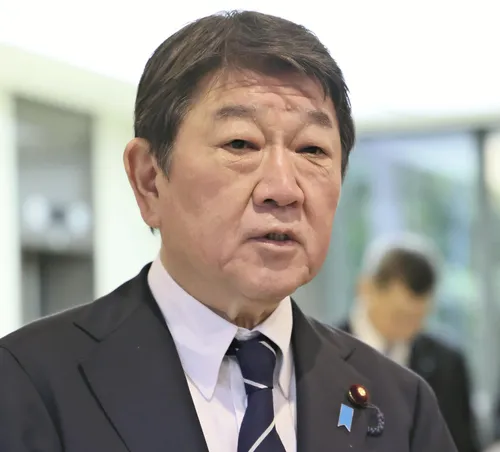
Japanese Foreign Minister Toshimitsu Motegi expressed Japan’s deep regret over a robbery-murder case in Okinawa during a telephone conversation with U.S. Secretary of State Marco Rubio on the night of the 10th. The case involves a U.S. Marine assigned to Marine Corps Air Station Futenma in Ginowan, Okinawa Prefecture, who was arrested on suspicion of robbery and murder.
The discussion marked the first telephone meeting between Motegi and Rubio since the Marine’s arrest on the 4th. Motegi reportedly told Rubio that the Japanese government feels strong indignation over the incident and again conveyed its regret. He also emphasized the importance of taking effective measures to prevent similar cases from occurring in the future.
Japan seeks concrete prevention measures
According to the Japanese government’s position, the two ministers confirmed that Tokyo and Washington will continue consultations on practical steps to strengthen prevention and response measures. The talks are expected to focus on ensuring public safety, improving coordination, and addressing concerns among residents living near U.S. military facilities.
Motegi had already raised a formal objection in person with U.S. Ambassador to Japan George Glass shortly after the arrest. The latest discussion with Rubio signals that the Japanese government is treating the case as a serious matter at the ministerial level, while also maintaining direct communication with its key security partner.
The suspect’s arrest is not a determination of guilt, and the Japanese judicial process will establish the facts and any legal responsibility. Nevertheless, cases involving U.S. military personnel can attract particular attention in Okinawa, where local communities have long called for stronger safeguards and closer consideration of residents’ concerns.
Okinawa’s strategic and social importance
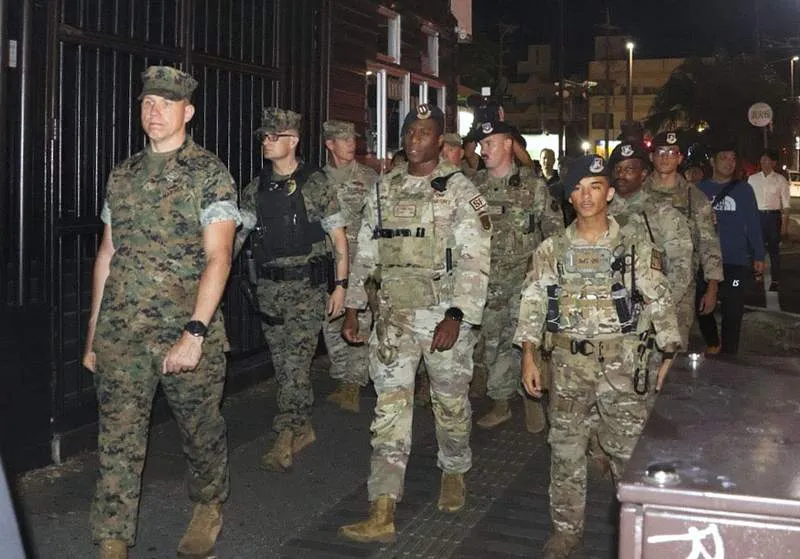
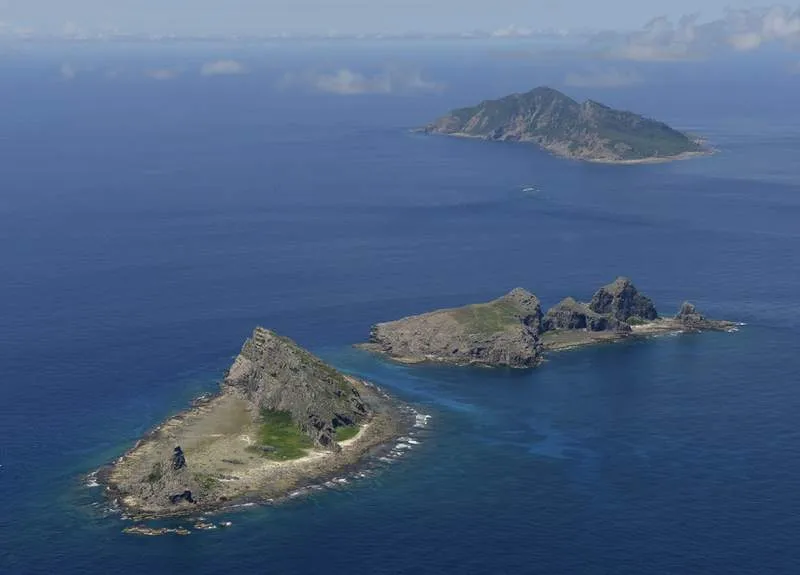
Okinawa hosts a significant concentration of U.S. military facilities in Japan, including Futenma air station. The facilities play an important role in the U.S.-Japan security alliance, particularly in the defense of Japan’s southwestern region and the broader Indo-Pacific. At the same time, their presence has created a complicated relationship with local communities, which must balance strategic considerations with everyday issues such as noise, safety, land use, and public trust.
For Japan, the challenge is to preserve the alliance while ensuring that the concerns of Okinawan residents are heard and addressed. Prompt communication between Tokyo and Washington can help prevent an individual incident from placing additional strain on bilateral relations. It can also demonstrate that public safety remains a central responsibility for both governments.
Alliance cooperation reaffirmed
Despite the serious nature of the case, Motegi and Rubio agreed on the importance of further strengthening the U.S.-Japan alliance and expanding cooperation across a broad range of areas. Their agreement comes as the security environment surrounding Japan becomes increasingly challenging.
The conversation therefore carried two messages: Japan expects accountability and effective prevention measures in response to the Okinawa case, and Tokyo remains committed to working constructively with Washington. For residents and international observers, the effectiveness of the follow-up consultations will be closely watched. Concrete action, transparent communication, and respect for local communities will be essential to maintaining confidence in both the alliance and the rule of law in Okinawa.