A new way to use railway tickets
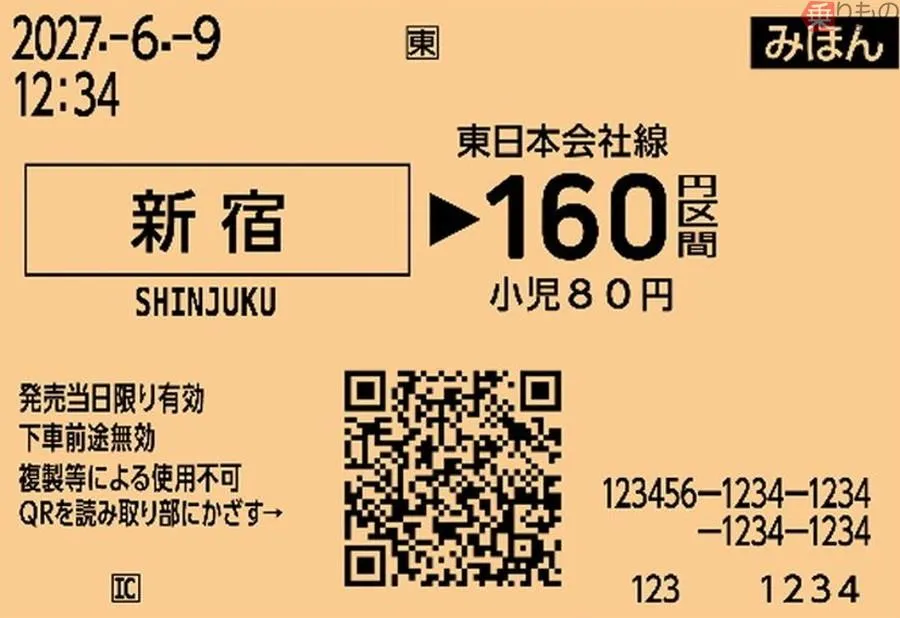
Seven railway operators in Japan have announced a major change to the way passengers use paper tickets. From spring 2027, Keisei Electric Railway, Keikyu Corporation, Sendai Airport Transit, Tokyo Monorail, Tobu Railway, East Japan Railway Company (JR East), and Hokuso Railway plan to replace conventional magnetic tickets with tickets featuring QR codes.
The announcement, made on October 13, 2026, marks another step in Japan’s gradual shift toward contactless and digital travel services. For many passengers, the most noticeable difference will be at the ticket gate: instead of inserting a ticket into a slot, they will hold the QR ticket over a designated reader.
What will happen to magnetic tickets?
Magnetic tickets are the familiar paper tickets used in Japan’s automatic ticket gates for decades. Their reverse side contains a magnetic coating that stores information such as the valid travel section and date. When passengers insert the ticket into a gate, the machine reads the information, confirms the journey, and returns or collects the ticket depending on the situation.
Under the new system, the tickets will use QR codes that can be scanned by a reader. To make them easier to hold over the scanning area, the tickets will become larger, measuring 57.5 by 85 millimeters. This is the same size commonly used for limited-express tickets and other larger railway documents.
Passengers will still need to surrender the ticket
Although the method of entering the gate will change, passengers will not simply keep the QR ticket after completing their journey. Once they leave the station, they will be asked to place the ticket into a collection box installed in the automatic ticket gate.
This means travelers should pay attention to the instructions at their destination station. The QR ticket may be easy to scan on arrival, but it will still be treated as a ticket that must be collected after use. The arrangement is expected to help railway companies manage completed tickets while reducing their reliance on magnetic-ticket technology.
What travelers should know
Not every station will necessarily have an automatic gate equipped to handle QR tickets. At stations without the relevant equipment, passengers will be directed to use a staffed ticket window. The seven companies have not yet released all operational details, including the precise routes and stations covered, and say further information will be announced as decisions are finalized.
For international visitors, this change will be important because Japan’s rail network is widely used by tourists traveling between airports, central Tokyo, suburban destinations, and regional attractions. The participating operators include services connected with major travel corridors, such as Tokyo Monorail’s route between Haneda Airport and central Tokyo, as well as railways serving Narita Airport and other destinations.
A practical shift in Japan’s railway experience
Japan is known for the reliability and efficiency of its railway system, and the move toward QR tickets reflects efforts to modernize ticketing while preserving the convenience of station-based travel. QR technology can offer a familiar scanning experience to smartphone users, although the initial transition will require passengers to check signs and follow station-specific guidance.
Until the participating companies publish their final procedures, travelers should continue using tickets according to the instructions provided at each station. The change is scheduled to begin in spring 2027, creating a new normal for millions of passengers who have long been accustomed to inserting paper tickets into Japanese automatic gates.