A flagship project under pressure
Japan’s ambitious partnership with India on the country’s first high-speed railway is facing a major test. Despite more than ¥1 trillion in Japanese yen loans and years of technical support, India may choose domestically produced trainsets and European-standard signaling instead of Japan’s Shinkansen technology for the Mumbai–Ahmedabad corridor.
The development highlights a wider challenge for Japan’s economic diplomacy in India. Tokyo views India as an essential partner in economic security, supply-chain diversification and efforts to reduce excessive dependence on China. Yet political cooperation has not always translated into commercial success.
Warm diplomacy, limited new investment
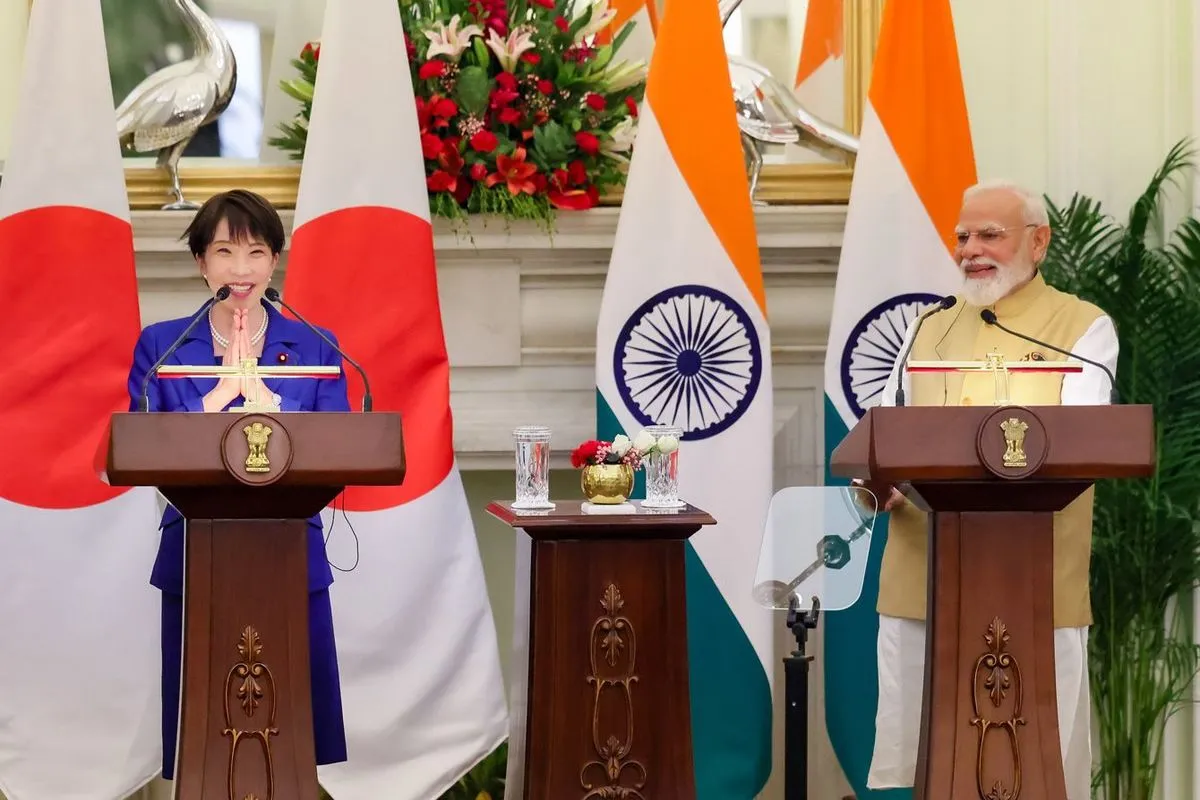
At a July 2 summit in New Delhi, Prime Minister Sanae Takaichi and Prime Minister Narendra Modi presented a friendly image, referring to each other as “brother” and “sister.” More than 50 Japanese business leaders joined the delegation, while Indian companies and political figures offered a high-profile welcome.
However, the meeting did not produce a new major investment package. The two governments reconfirmed a private-sector investment target of ¥10 trillion over 10 years, while identifying approximately ¥2 trillion in investments already expected. More than 100 business agreements were also acknowledged, covering semiconductors, ammonia, lunar exploration and agricultural production.
The scale of expectations remains striking. A 2025 survey by Japan’s state-backed Japan Bank for International Cooperation found that more than 60 percent of Japanese manufacturers regarded India as a promising destination for business expansion over the following three years. India ranked first for the fourth consecutive year.
Actual investment, however, has lagged behind expectations. According to figures based on Japan External Trade Organization data, Japanese direct investment in ASEAN rose from about $6.3 billion in 2008 to approximately $28.7 billion in 2024. Investment in India remained almost unchanged, at around $5.3 billion in 2024.
The bullet train dispute
The Mumbai–Ahmedabad High-Speed Rail project stretches about 508 kilometers, roughly comparable to the distance between Tokyo and Osaka. Japan has provided low-interest yen loans, technical expertise, feasibility studies, detailed design assistance, training in Japan and specialist support through the Japan International Cooperation Agency.
JICA’s cumulative lending for the project reached about ¥1.05 trillion by December 2023. The fifth loan package alone amounted to ¥400 billion, with an annual interest rate of 0.1 percent, a repayment period of 50 years and a 15-year grace period. The loans were initially expected to cover about 81 percent of project costs.
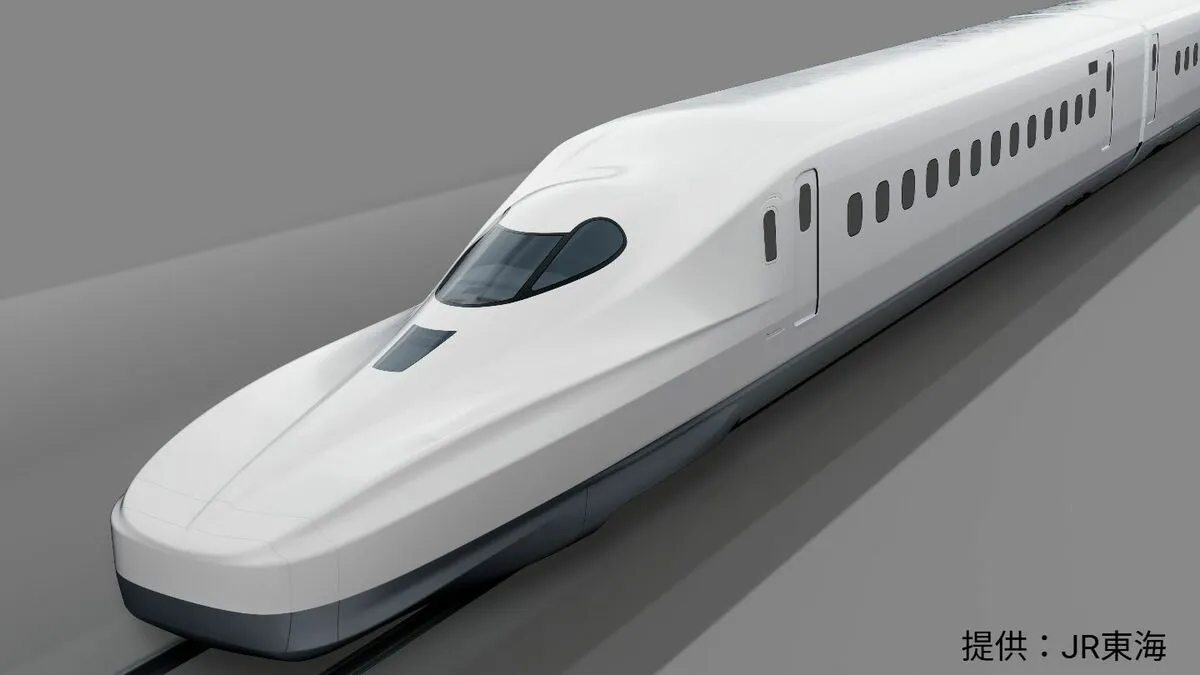
Nevertheless, Japanese trainsets reportedly face concerns over price and delivery schedules. Japan’s proposed E10 series would reportedly cost around 200 billion Indian rupees for 49 trainsets, significantly more than some European alternatives. Delivery would begin no earlier than 2034, while the first priority section is targeted for opening in 2027.
India’s railway authorities have increasingly emphasized the “Make in India” policy. Domestic manufacturer BEML is expected to produce prototype eight-car trainsets, with initial testing planned between Surat and Bilimora. Additional trainsets may operate temporarily until faster trains capable of reaching the planned top speed become available.
European signaling and rising costs
The signaling issue appears to have moved further away from Japan. A consortium led by Indian infrastructure company DR Agarwal Infra, alongside Siemens Mobility and Siemens India, won a contract worth approximately 41 billion Indian rupees. The project will use the European Train Control System Level 2, a standard already deployed in more than 50 countries.
The railway’s overall costs have also risen sharply. The initial estimate of around 1.08 trillion rupees reportedly increased to approximately 1.98 trillion rupees, an 83 percent rise. Land-acquisition disputes, inflation and construction difficulties have contributed to delays and higher expenses, making Indian authorities more sensitive to price.
Five barriers to deeper cooperation
The railway project reflects five broader obstacles in Japan–India business relations: differences over cost and delivery timelines; India’s preference for domestic production; the difficulty of linking Japanese financial support to Japanese corporate contracts; concerns over legal and payment risks; and the unintended effects of restrictions targeting Chinese companies and components.
Japanese manufacturers often rely on complex supply chains, including Chinese-made materials and equipment that may not yet have reliable Indian substitutes. A 2023 survey found that 76.4 percent of Japanese companies operating in India reported difficulty finding local suppliers that meet required quality or technical standards.
Past cases have also made Japanese companies cautious. Disputes involving NTT DoCoMo’s investment in Tata Teleservices and Daiichi Sankyo’s acquisition of Ranbaxy demonstrated how difficult and time-consuming legal recovery can become when business relationships deteriorate.
A crucial test for the partnership
Japan and India still share strong strategic interests. Both governments want resilient supply chains, stronger maritime security and closer cooperation in advanced technology. New mechanisms to accelerate approvals for Japanese investment and connect Japanese small and medium-sized companies with Indian suppliers could improve the outlook.
But goodwill alone will not close the gap between diplomatic ambitions and commercial results. As the two countries approach the 75th anniversary of diplomatic relations in 2027, the Mumbai–Ahmedabad railway will serve as a highly visible test. Japan’s challenge is to ensure that its generous financing, expertise and long-term commitment produce a genuinely balanced partnership—one that benefits India’s industrial ambitions while creating realistic opportunities for Japanese companies.