As Valentine’s Day approaches in Japan—a season when home kitchens fill with the aroma of melted cocoa and confectionery counters brim with gift boxes—experts are issuing a timely, practical warning: chocolates kept for extended periods, even when individually wrapped, can attract and harbor so‑called “chocolate pests.” The reminder is not a cause for alarm, but for smart storage and calm, fact‑based vigilance at home.
A viral scare, then a correction
In autumn 2024, a social media post claiming a live insect had been found in a popular chocolate confection sparked buzz online. The manufacturer quickly traced the item to an older lot sold in or before the previous year. Crucially, it emerged that the purchaser had kept the product at home for a long period; investigators concluded that any infestation likely occurred during domestic storage, not during production. The original poster deleted the post, acknowledging a misunderstanding. The episode underscores a broader point: most contamination is traced back to the household.
“Even with individual wrapping, prolonged storage increases the risk of insect intrusion. Consumers should also be mindful with some imported chocolates, where insect‑related hygiene management can be less rigorous than Japan’s,” said Akihiro Miyanoshita, a principal researcher at the National Agriculture and Food Research Organization (NARO), who specializes in stored‑product pests. His message aligns with Japan’s strict factory hygiene norms and a culture of quality that manufacturers defend through rigorous checks—yet it also recognizes that the final link in the chain, the home pantry, is decisive.
Which insects target chocolate—and why that matters
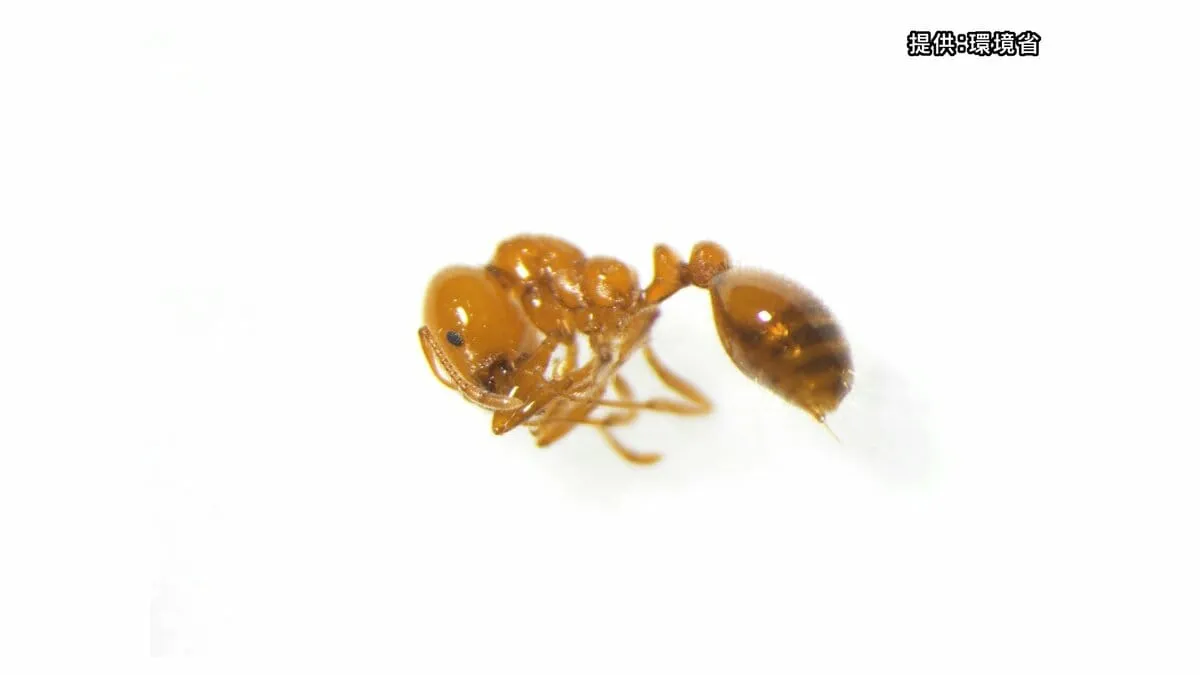
In Japan, several well‑known stored‑product pests are confirmed to feed on chocolate, chiefly in their larval stages: the Indianmeal moth (Plodia interpunctella; Japanese: Noshime‑madara‑meiga), whose adult moths are about 7–8 millimeters long; the cigarette beetle (Lasioderma serricorne; Tabako‑shibanmushi), about 2–3 millimeters; and the confused flour beetle (Tribolium confusum; Kokunustomodoki), about 3–4 millimeters. These insects readily infest grains and dried foods as well. If accidentally ingested by humans, they are not toxic—though their presence is, of course, unappetizing and unacceptable to consumers and brands alike.
They are most active from spring through autumn. Adults that slip indoors from outside can be drawn to the scent of chocolate, laying eggs on or near products. Newly hatched larvae then seek food, infiltrating packages as they crawl. Come winter, activity slows, and larvae can ride out the cold within food items, resuming development when temperatures rise. That seasonal pattern explains why chocolates stored at room temperature through winter can still yield unwelcome surprises in early spring.
How tiny larvae breach individual wrappers
Miyanoshita has examined how very young Indianmeal moth larvae infiltrate individually wrapped chocolates, including a product similar to one that once drew social media claims. In a controlled study, individually wrapped milk chocolates were placed in plastic containers and exposed to multiple larvae at different ages—day‑1 (newly hatched), day‑15, and day‑22. Over roughly two weeks and across 10 repeated trials, at least one day‑1 larva entered the inner wrap in all 10 trials. By contrast, 15‑day larvae managed entry in only 50% of trials, and 22‑day larvae in just 10%, though older larvae left more chewing marks on the outer film.
The reason: many confections use an outer cellophane film and an inner paper wrap that are not fully hermetic, allowing aroma to leak. The smallest larvae, powerfully guided by scent, can slip through microgaps. In some reported cases elsewhere, larvae have even chewed through sealed films. The finding is counterintuitive but crucial: the younger the larva, the better it can thread microscopic seams that larger, stronger larvae cannot penetrate as easily.
Chocolates most likely to attract pests
Not all chocolates are equally appealing to insects. Those containing almonds, dried fruits, cookies, or other inclusions are more enticing and more nutritious to pests than pure chocolate. In a feeding comparison by Miyanoshita, Indianmeal moth development from egg to adult took about 28 days on brown rice, with an 80% emergence rate. On chocolate alone, development dragged on for roughly six months and only 8% of larvae reached adulthood. But almond‑studded chocolate shortened the cycle to about two months, with a 50% emergence rate.
“Chocolate by itself is nutritionally poor for these insects and is not an optimal food. But precisely because development is so slow, larvae can remain inside chocolate for a long time, raising the chance of detection by people and cementing the insects’ reputation as ‘chocolate pests’—an ironic outcome,” Miyanoshita noted.
What safe storage looks like—Japan’s best practices
Japanese manufacturers emphasize careful storage and speedy consumption. Meiji, a leading brand, advises keeping chocolate below 28°C and away from high heat and humidity. After opening, consume promptly, regardless of the best‑before date. If you refrigerate, place chocolates in an airtight bag or container to prevent odor transfer and store them in the vegetable compartment, where temperatures are slightly higher and humidity is more stable.
One more nuance matters: moving chocolates into the refrigerator after they have sat at room temperature for a while may not stop an infestation already underway. Indianmeal moth eggs are vulnerable to cold, but larvae become progressively more cold‑tolerant as they grow. At around 10°C, larval activity falls sharply; once brought back to room temperature, it can rebound. Good practice starts before trouble begins: protect chocolates from entry and consume them in a timely fashion.
How to spot trouble before you bite
Early signs of infestation are visible to a careful eye. Look for: 1) fine, cobweb‑like silk on the chocolate surface, which can make it appear dusty or pale; Indianmeal moth larvae spin this silk as they feed; 2) reddish, granular specks of frass (insect droppings) near the product or in the package; and 3) tiny holes or gnaw marks in outer films or paper wraps. If you detect these indicators, discard the item, inspect nearby pantry goods (especially grains, flour, nuts, and dried fruits), and clean shelves thoroughly. Storing susceptible foods in tightly sealed containers helps break pest life cycles; freezing such items at home in airtight packaging is also widely used to suppress hidden eggs or larvae.
Homemade Valentine’s gifts deserve extra care
Japan’s Valentine’s tradition—ranging from heartfelt honmei‑choco to friendly giri‑choco—makes February a hallmark of homemade treats. Yet home packaging, even when neatly wrapped, is rarely airtight. Miyanoshita’s advice: makers should place finished chocolates in high‑seal, airtight containers as a precaution, and recipients should enjoy them promptly. This is the simplest way for consumers to support the high standards Japanese confectioners uphold and to keep delicious gifts tasting exactly as intended.
The bottom line
Factory contamination is rare in Japan, where hygiene controls are exacting and consumer trust is fiercely protected. The vulnerable point is the home, particularly prolonged storage in warm or fragrant pantries. A few straightforward habits—cool, dry storage below 28°C; airtight packaging; quick consumption after opening; and a watchful eye for webbing or frass—will keep Valentine’s chocolate a pleasure shared between people, not pests. In a season defined by care and craftsmanship, those same qualities, applied to storage and handling, ensure that Japan’s beloved chocolate culture remains as reliable as it is sweet.