Japan’s travel season is shifting from summer to autumn
A rare clear autumn weekend brought large crowds to popular destinations across Japan, highlighting a major change in the country’s leisure patterns. As record summer heat discourages outdoor activities, more people are now choosing the cooler months for festivals, sightseeing and mountain trips. The shift is bringing welcome relief from extreme heat, but it is also creating unexpected congestion at event venues, on national roads and in public facilities.
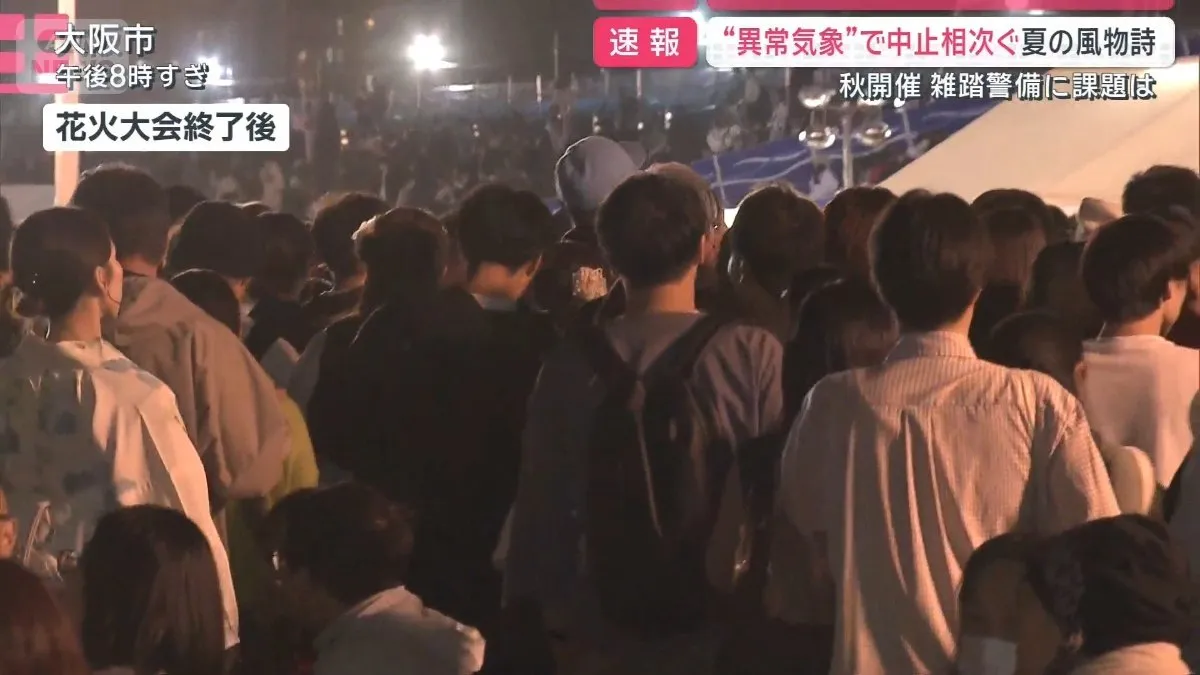
The trend was clearly visible at Osaka’s Naniwa Yodogawa Fireworks Festival, one of the Kansai region’s largest fireworks events. The festival, held along the Yodo River, typically attracts about 500,000 people. Although fireworks are traditionally associated with Japan’s summer culture, the event was moved from August to October two years ago. Last year’s schedule was changed because of the Osaka-Kansai Expo, while this year’s autumn timing was retained after organizers saw benefits from the cooler conditions.
Cooler temperatures reduce heat concerns, but crowds remain intense
Families attending the Osaka festival said the autumn schedule was particularly comfortable for children. Organizers also reported a sharp decline in people suspected of suffering heatstroke, including among event staff. In previous years, the combination of high temperatures, prolonged waiting and crowded riverbank seating created serious health concerns. Cooler weather has made traditional activities such as reserving a viewing spot much easier for families.
However, autumn has introduced a different challenge: unpredictable rain. Organizers said heavy, sudden showers last year caused confusion and interrupted part of the fireworks display. This year, crowd-control measures were introduced before the launch, including traffic restrictions, barricades and one-way pedestrian routes on a nearby bridge. Police repeatedly warned visitors not to walk against the flow of people.
Shortly before the fireworks began, a long queue formed outside the women’s toilets in the paid seating area. Some visitors said they had already waited about 15 minutes and feared missing the finale. When the show ended after 8 p.m., the exit area became so tightly packed that people could barely move. Organizers asked visitors to remain at the venue for about an hour to ease congestion, but many people still attempted to leave at once, creating lengthy lines around the site.
Mountain destinations also face unprecedented demand
In the Kanto region, an elevated sightseeing location in Gunma Prefecture experienced unusually heavy traffic from early morning. The site, located at an elevation of 2,172 meters and known as the highest point on a national road in Japan, saw more than 10 vehicles waiting outside the car park at around 5:30 a.m. Local officials said they had rarely seen congestion on that scale.
Visitors had driven for hours to see a seasonal combination of sunrise and autumn foliage. When conditions are favorable, photographers can also capture the sun rising through a sea of clouds. Despite single-digit temperatures, visitors described the scenery as extraordinary, demonstrating the strong appeal of Japan’s autumn landscapes.
Visitors urged to watch for poisonous mushrooms
Japan’s autumn mountain boom also comes with safety risks beyond traffic and cold weather. At Tokyo’s Mount Takao, a family encountered mushrooms believed to be poisonous kaentake, or “flame mushrooms.” The fungus can cause severe skin inflammation through contact and must not be touched or approached closely.
A guide from the Takao Visitor Center said the mushrooms had appeared repeatedly this year, possibly encouraged by prolonged rain the previous month. Even after daily removal, new growth has continued. Visitors to Japan’s forests and hiking trails should stay on designated paths, avoid touching unfamiliar plants or fungi, and follow advice from local park staff.
The autumn leisure shift reflects both Japan’s changing climate and the country’s enduring enthusiasm for seasonal experiences. Cooler festivals and scenic trips may offer a more comfortable alternative to summer travel, but the growing popularity of these destinations makes advance planning essential. Travelers should check weather forecasts, transport restrictions, event guidance and facility capacity before setting out.