Washington pauses major measures but keeps its options open
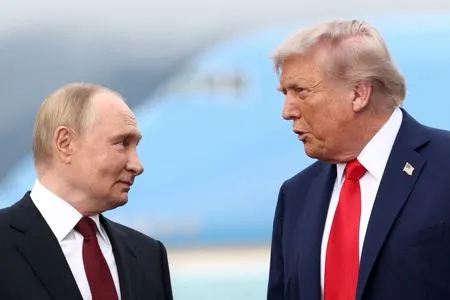
U.S. President Donald Trump said on March 17 that his decision to delay proposed sanctions and tariffs targeting Russia was not final, while Secretary of State Marco Rubio indicated that the administration would use as much as 60 days to assess the possible consequences.
Speaking to reporters at his residence in Palm Beach, Florida, Trump said the public did not yet know what his ultimate decision would be. “You don’t know what my decision is going to be yet. You’ll find out,” he said. In a later social media post, the president explained that the pause was intended to avoid “foolishly” pushing Russia away from negotiations.
Measures could affect energy and global trade
The move follows Trump’s signing of the so-called Graham Act the previous month, after lawmakers urged stronger pressure on Moscow over its invasion of Ukraine. An executive order signed on March 17 temporarily suspended key sanctions and tariffs that had been scheduled to take effect the following week.
The measures placed on hold include tariffs on Russian goods and potential sanctions against countries purchasing Russian oil and natural gas. The executive order did not specify a suspension period. Rubio, however, said Trump wanted a 60-day review to study how the measures could affect the global economy and the U.S. economy before deciding whether to proceed.
“The president wants to take 60 days to analyze what the impact of these sanctions and tariffs would be on the global economy and the U.S. economy,” Rubio told reporters before departing for Uzbekistan.
Ukraine criticizes the decision
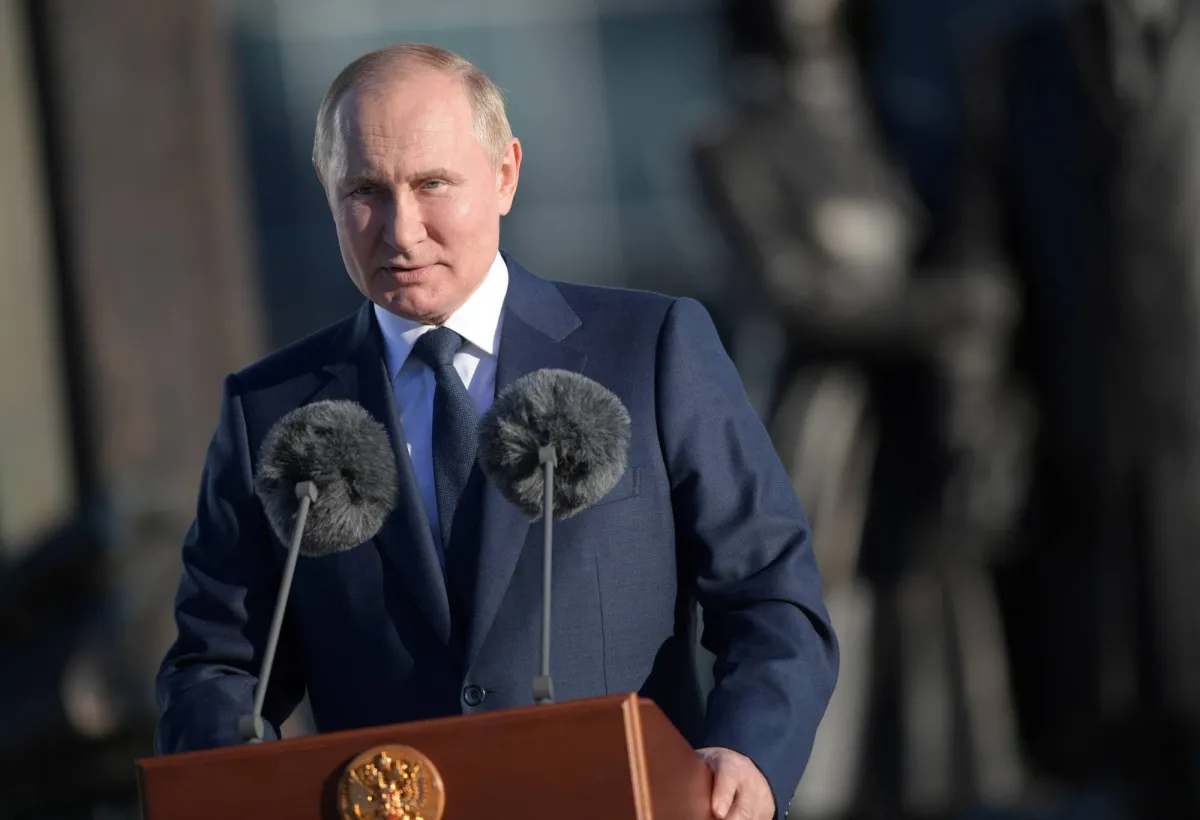
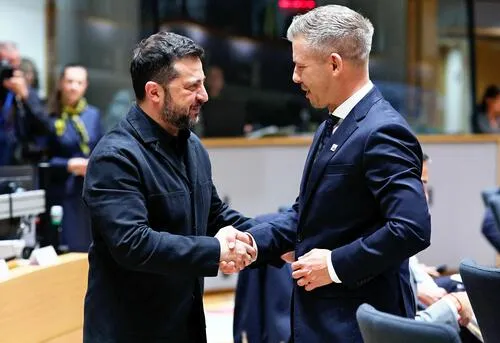
Ukrainian President Volodymyr Zelenskyy criticized the pause, warning that it could encourage Russian President Vladimir Putin and contribute to a longer war. Kyiv has consistently argued that sustained economic pressure is necessary to limit Moscow’s ability to finance military operations and maintain its position on the battlefield.
The U.S. administration, however, has presented the delay as part of a broader negotiating strategy. Trump said the purpose was to preserve diplomatic space rather than permanently ease pressure on Russia. The approach highlights the difficult balance between using sanctions as leverage and avoiding measures that could increase energy costs or create wider economic disruption.
Fuel supply becomes a central issue
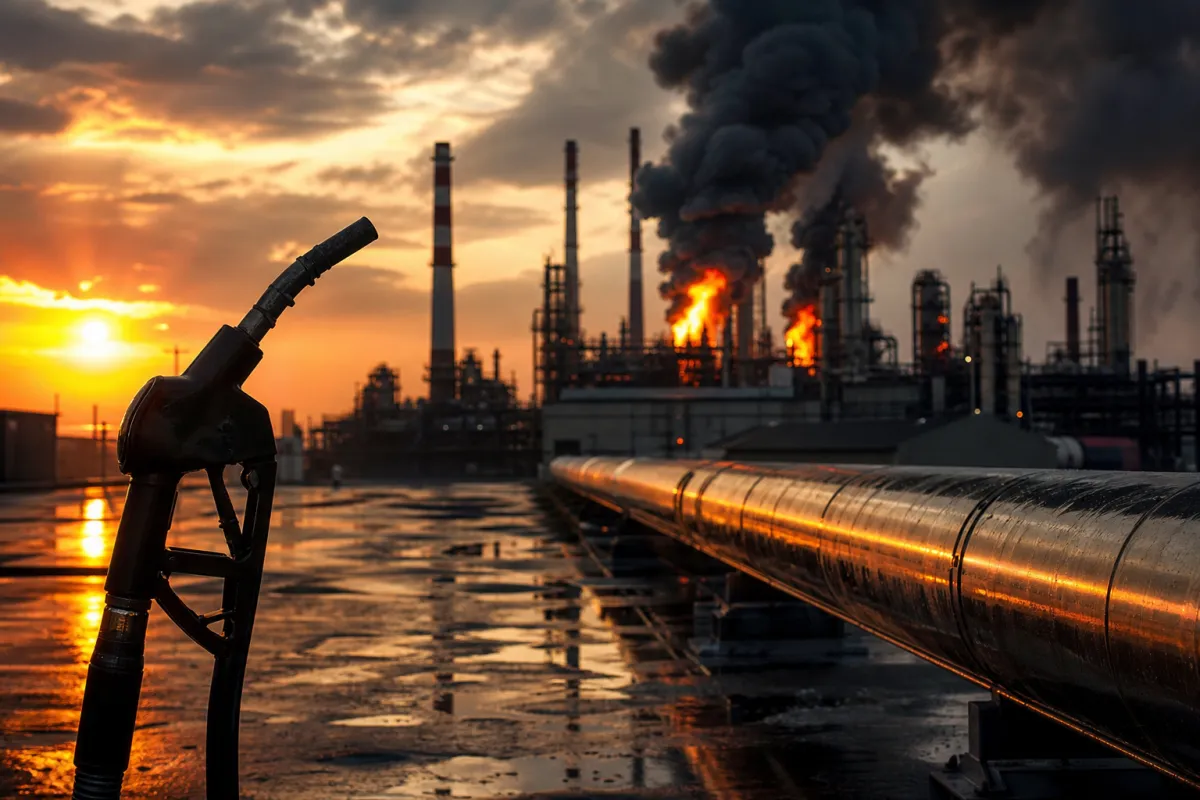
Rubio also defended a U.S.-Russian understanding concerning expanded Russian diesel supplies to the international market. He said the arrangement was designed to help contain fuel prices, which have risen amid concerns about conflict involving Iran and disruptions to energy supplies.
“That diesel is going to be sold anyway,” Rubio said, arguing that the key question was how much benefit the United States could receive from the arrangement. Energy Secretary Chris Wright described the agreement as an incentive intended to encourage an end to the war, rather than an economic rescue package for Russia. He said additional Russian diesel exports would depend on Moscow helping to reduce the conflict with Ukraine.
Why the decision matters for Japan
For Japan, the review is significant because the country remains heavily dependent on imported energy and is closely connected to global shipping, manufacturing and commodity markets. Japan has joined fellow Group of Seven nations in imposing sanctions on Russia while also managing the economic consequences of higher energy prices and supply uncertainty.
Any change in U.S. policy could influence international oil and gas prices, shipping costs and the broader coordination of sanctions among advanced economies. Japanese consumers and businesses may feel the effects indirectly through fuel prices, electricity costs, logistics expenses and currency movements. The 60-day review will therefore be watched closely in Tokyo, not only for its impact on the Ukraine conflict but also for what it signals about future U.S. diplomacy, energy security and cooperation with Japan and other G7 partners.