Japanese journalist detained in Russia
Russia’s Federal Security Service, or FSB, has announced that a Japanese male journalist working for the Hokkaido Shimbun’s Yuzhno-Sakhalinsk bureau was detained in Sakhalin and transferred to Moscow on suspicion of espionage. Russian authorities reportedly opened an investigation under the country’s criminal code, while a court approved detention through December.
Japan’s Chief Cabinet Secretary Kihara said on the morning of October 16 that the Japanese government had received formal notification through diplomatic channels. Tokyo is expected to seek further information and continue providing consular assistance, although many details surrounding the allegations remain unclear.
The journalist is believed to be held at Moscow’s Lefortovo detention center, a facility historically associated with high-profile political and security cases. Lefortovo has a long and controversial reputation, making the detention particularly concerning for the journalist’s family, colleagues and press-freedom advocates. At this stage, neither the full evidence behind the espionage allegation nor the journalist’s legal position has been made public.
Could the case be linked to a prisoner exchange?
The detention has attracted attention because of similarities with the case of Evan Gershkovich, a Wall Street Journal reporter arrested by Russia in 2023 on espionage charges. Gershkovich denied the accusation, and the newspaper condemned the proceedings as illegitimate and conducted behind closed doors. He was later sentenced to 16 years in prison before being released in August 2024 as part of a multinational prisoner exchange.
That agreement involved Russia releasing Gershkovich and other detainees, while Western countries released individuals connected to Russian intelligence, including a former FSB operative serving a life sentence in Germany. The exchange demonstrated how foreign nationals detained on security charges can become part of wider diplomatic negotiations involving several governments.
Against that background, some observers are examining whether Moscow may have strategic motives in the Japanese case. A Russian national described as a central member of the Russia-linked hacker group “Garm” was reportedly detained in Japan earlier this month and transferred to Germany. Russian independent media outlet Meduza noted that the reporting on the hacker’s extradition and the Japanese journalist’s detention appeared at roughly the same time, raising questions about a possible connection. No government has confirmed that the two cases are linked, and the relationship remains an unproven theory.
Relations between Tokyo and Moscow have deteriorated
The detention comes during a sharp decline in Japan-Russia relations. For decades, Tokyo and Moscow maintained dialogue over the Northern Territories dispute and a possible peace treaty. Former Prime Minister Shinzo Abe held numerous meetings with President Vladimir Putin after 2013, while earlier administrations pursued cooperation in areas such as energy and economic development.
That diplomatic momentum weakened significantly after Russia launched its full-scale invasion of Ukraine in 2022. Japan joined international sanctions against Moscow, and Russia has responded with increasingly critical statements about Japan. In August, Putin reportedly visited Iturup, one of the disputed Northern Territories. Japan also announced stronger sanctions against Russia on October 2.
Wider criticism of Japan’s defense policy
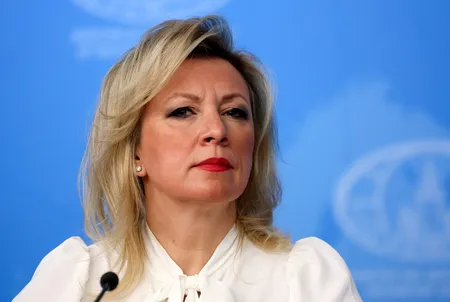
Russia’s Foreign Ministry has used the detention to criticize Japan’s defense buildup, saying Tokyo has ignored Moscow’s concerns about what it calls Japan’s “remilitarization.” Russia has also intensified rhetoric linked to wartime history. In 2023, it changed the name of its September 3 commemoration to include wording referring to victory over militarist Japan and the end of World War II.
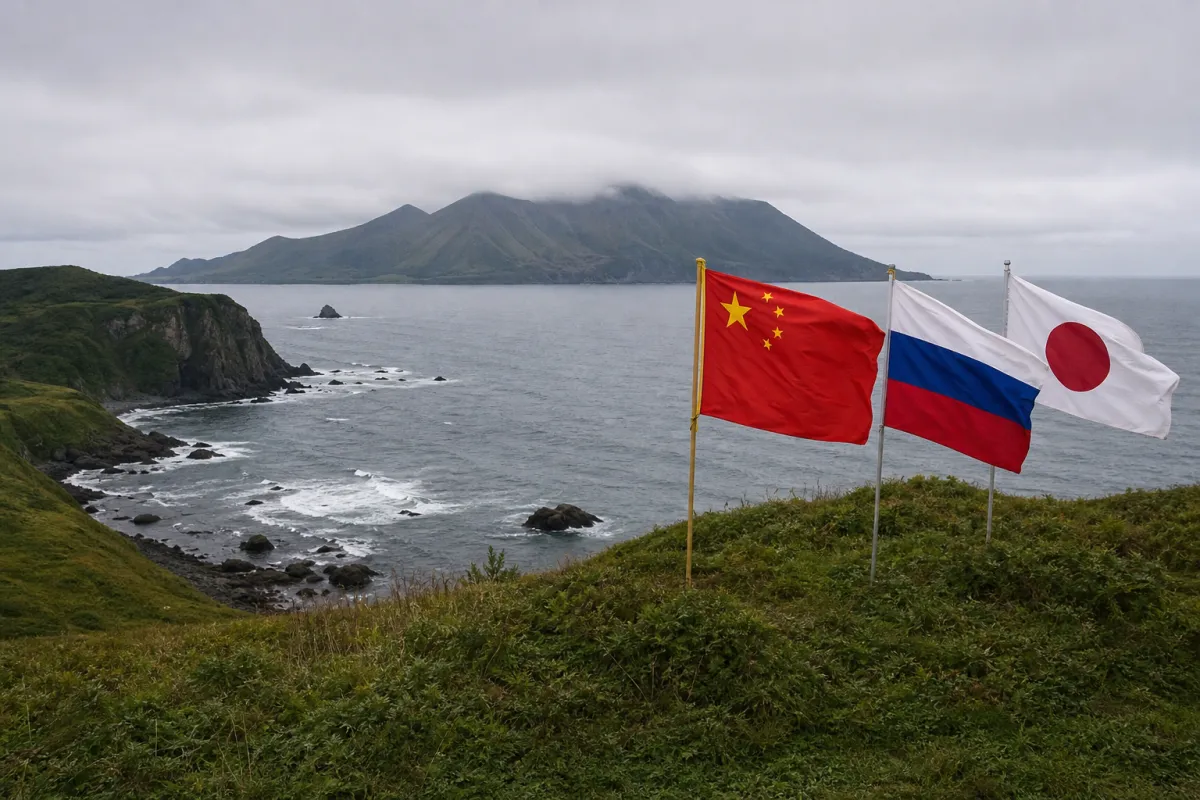
China and Russia have expressed similar criticism of Japan’s security policies. Following a summit this year, the two countries said Japan’s rapid defense expansion posed a serious threat to regional peace and stability, while urging Tokyo to acknowledge the results of World War II. North Korea has also deepened coordination with Beijing and Moscow, highlighting a broader strategic environment that Japanese officials are closely monitoring.
For Japan, the journalist’s detention is therefore both a consular emergency and a sensitive diplomatic challenge. Tokyo must seek the reporter’s safety, legal access and fair treatment while avoiding speculation about a possible prisoner exchange. The case also underscores the growing risks faced by journalists working in regions where national security, geopolitical rivalry and increasingly strained international relations overlap.