Japanese reporter reportedly detained in Russia
Russia’s Federal Security Service, known as the FSB, has announced the detention of a Japanese male journalist working for Hokkaido Shimbun, according to the Russian news agency Interfax. The reporter was reportedly held in Sakhalin Oblast, Russia’s Far Eastern region, on suspicion of collecting information related to the country’s defense capabilities.
The journalist is said to have been based at the newspaper’s bureau in Yuzhno-Sakhalinsk, the regional capital. Russian authorities have not publicly disclosed his name or provided detailed information about the specific evidence behind the allegation. Reports said he was detained shortly before he was due to leave Russia and was later transferred to Moscow, where he was reportedly arrested.
Questions surrounding reporting on the Kuril Islands
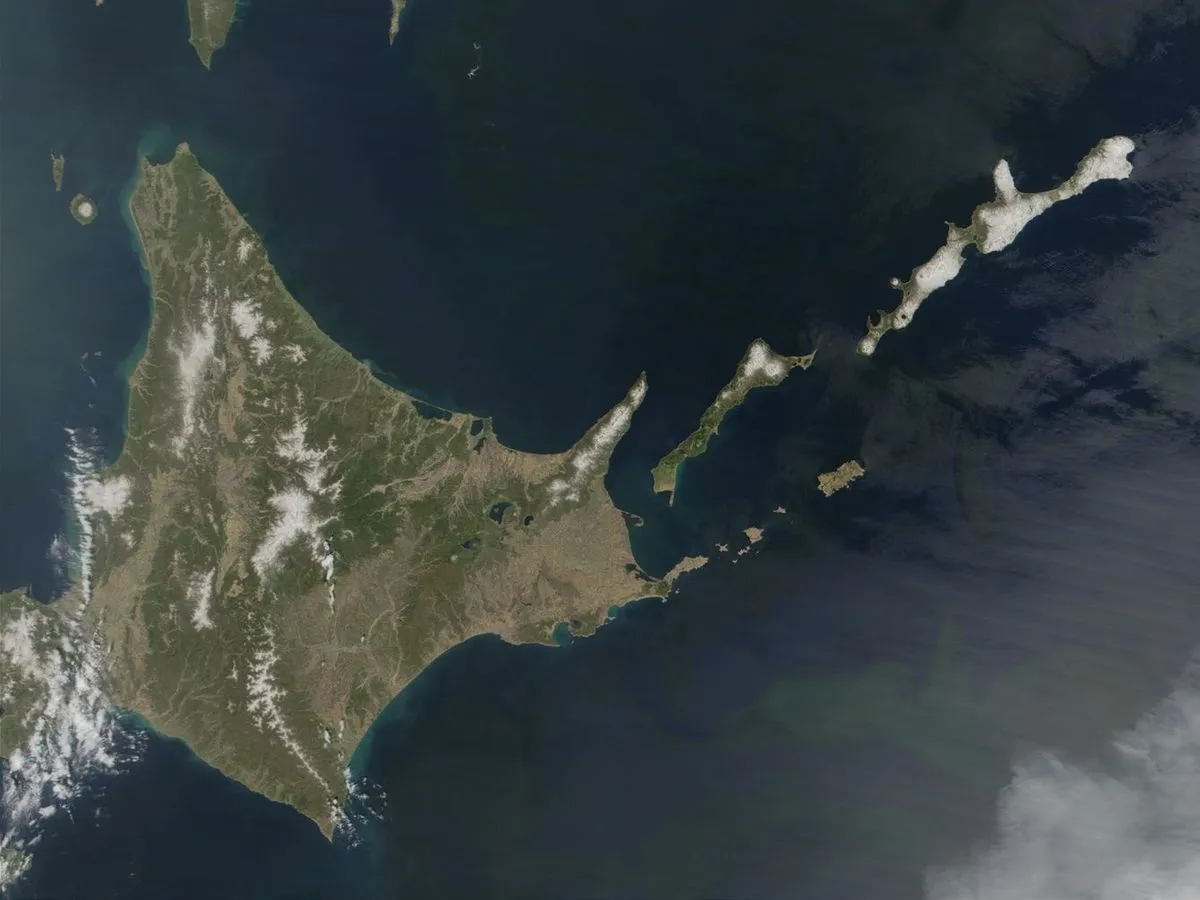
According to the reports, the journalist had been investigating how many people from the Kuril Islands had been mobilized or volunteered to participate in Russia’s war against Ukraine, which Moscow officially calls a special military operation. The Kuril Islands include territories claimed by Japan as the Northern Territories, as well as the island chain extending northward from Hokkaido.
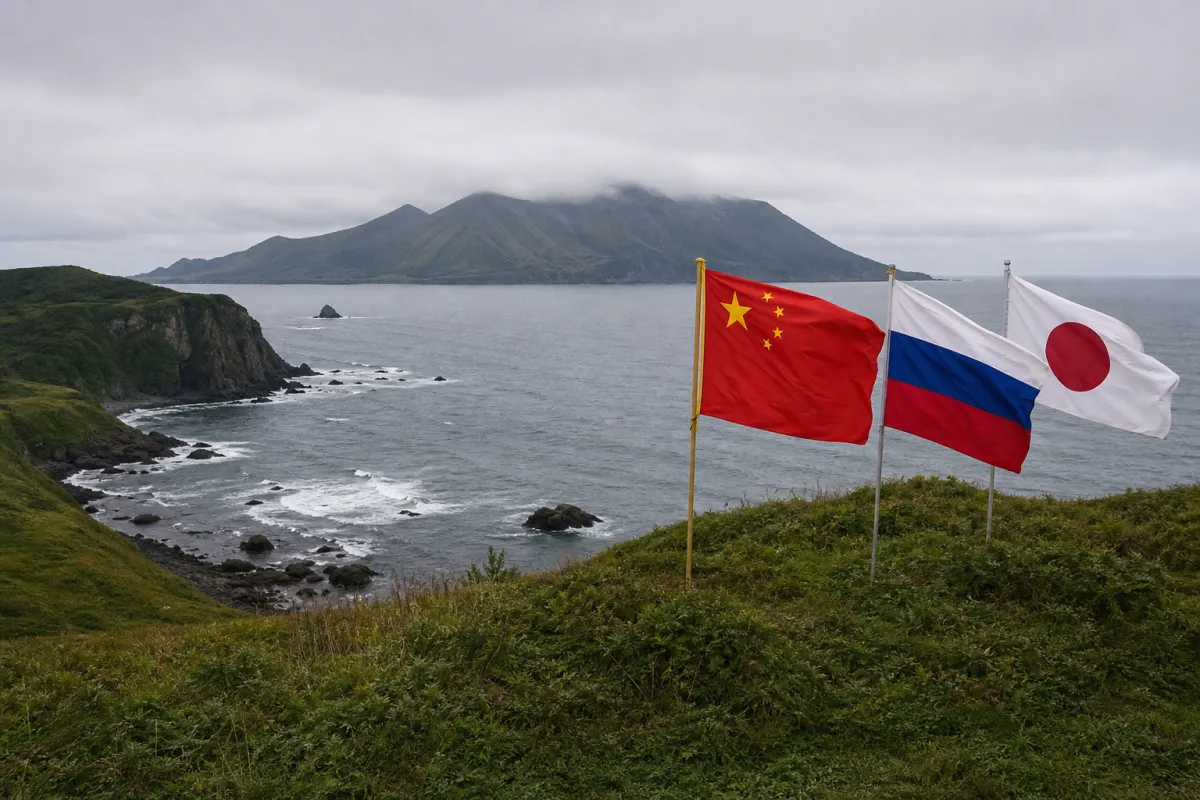
The issue is particularly sensitive for Japan. The Northern Territories—Etorofu, Kunashiri, Shikotan and the Habomai Islands—have been administered by Russia since the end of World War II but remain the subject of Japan’s longstanding territorial claim. The dispute has prevented the two countries from concluding a postwar peace treaty.
Hokkaido Shimbun checking the facts
Hokkaido Shimbun said it was working to confirm the details of the incident. The newspaper’s website states that it maintains offices in both Moscow and Yuzhno-Sakhalinsk, reflecting the importance of Russia’s Far East to readers in Hokkaido. The Japanese northern island lies relatively close to Sakhalin and the Kuril chain, giving developments in the region direct significance for local communities, national security and cross-border relations.
The case comes amid sharply deteriorating relations between Japan and Russia following Russia’s invasion of Ukraine. Tokyo has joined international sanctions against Moscow, while Russia has suspended negotiations over a peace treaty and criticized Japan’s security cooperation with Western countries. In this environment, reporting on military deployments, mobilization and strategic activity can attract heightened scrutiny from Russian authorities.
Broader implications for journalists and Japan
The reported detention highlights the increasingly difficult conditions facing foreign journalists working in Russia, particularly those covering military and security-related subjects. It also raises concerns about transparency, due process and the treatment of Japanese nationals abroad. At this stage, important details—including the formal charges, the legal basis for the detention and the status of any consular support—remain unclear.
For Japan, the incident is significant beyond the individual case. Information about military activity in the Far East affects assessments of regional security, especially as Japan monitors developments around Hokkaido, the Sea of Okhotsk and the Northern Territories. Further statements from Russian authorities, Hokkaido Shimbun and the Japanese government will be important in establishing what happened and determining the next steps.