First official meeting signals a diplomatic reset
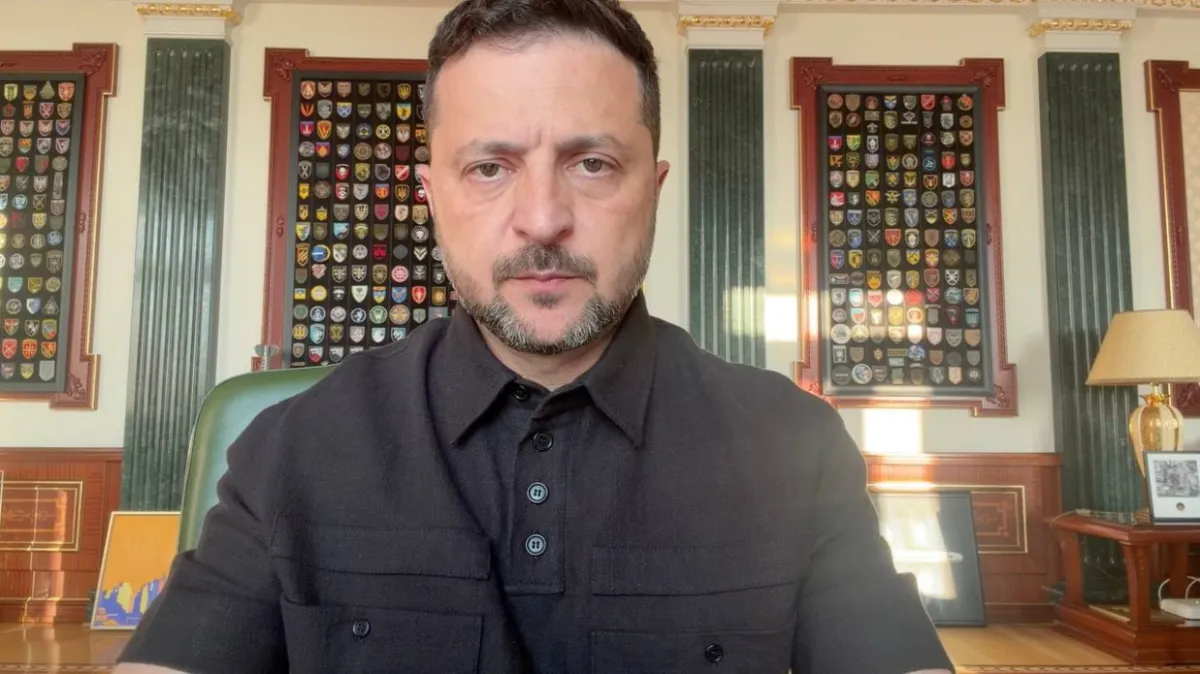
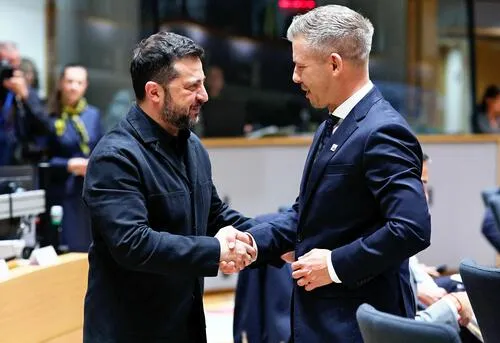
Hungarian Prime Minister Péter Magyar has held his first official meeting with Ukrainian President Volodymyr Zelenskyy since taking office in May, marking a significant step toward repairing relations between the neighboring countries. The talks took place in Brussels on the 16th and focused on rebuilding trust after ties deteriorated during Hungary’s previous, Russia-friendly administration.
Following the meeting, Magyar said the two sides had agreed to work toward improving bilateral relations and maintaining regular ministerial-level discussions. The commitment is important because Hungary and Ukraine share a border, economic links and a complex history involving Hungary’s ethnic minority community in western Ukraine.
Budapest offers support for a ceasefire and lasting peace
In a social media post, Magyar said Hungary had expressed “full solidarity” with Ukraine. He added that Budapest was prepared to use every diplomatic means available to support an early ceasefire and the establishment of a lasting peace.
The statement represents a notable change in tone from the previous Hungarian government, whose cautious and often Russia-friendly approach created friction with Kyiv and several European partners. Hungary had frequently emphasized its opposition to expanding military involvement in the conflict, while Ukraine and its supporters had criticized Budapest for positions seen as weakening European unity.
Magyar’s government has sought to present a more constructive approach since coming to power. At the same time, it has continued to emphasize the protection of ethnic Hungarians living in Ukraine, making minority rights a central part of its foreign-policy agenda.
Minority education rights become a bridge
A recent move by Ukraine’s parliament may help create space for further dialogue. According to Reuters and other reports, lawmakers approved legislation on the 12th that expands education rights for minority communities, including ethnic Hungarians. Hungarian authorities welcomed the measure, viewing it as progress on a long-running dispute over language and schooling.
For Ukraine, the legislation could demonstrate a willingness to address concerns raised by neighboring countries while maintaining national cohesion during wartime. For Hungary, it provides a practical basis for rebuilding confidence with Kyiv without abandoning its responsibility toward Hungarian communities abroad.
Zelenskyy described the Brussels meeting as “very good” and said the leaders had discussed many subjects. He also indicated that a future visit to Hungary could be considered, a move that would give the diplomatic reset greater visibility and could support direct discussions on security, trade, border issues and minority protections.
Why the development matters beyond Europe
The renewed dialogue is closely watched internationally because cooperation among European countries remains essential to supporting Ukraine and shaping a future peace settlement. Japan, which has consistently backed Ukraine’s sovereignty and a rules-based international order, also has an interest in diplomatic efforts that reduce tensions and strengthen coordinated support for peace.
Japan has worked with European partners on humanitarian assistance, reconstruction and sanctions policy. Improved Hungary-Ukraine relations could contribute to a more cohesive European environment, making it easier for countries such as Japan to cooperate with Europe on rebuilding Ukraine and promoting long-term stability.
The first meeting does not resolve every disagreement, but it establishes a channel for regular communication. If ministerial talks continue and minority-rights commitments are implemented, Hungary and Ukraine may be able to turn a difficult relationship into a more pragmatic and constructive partnership.