Tracking Typhoon 30 Across the East China Sea
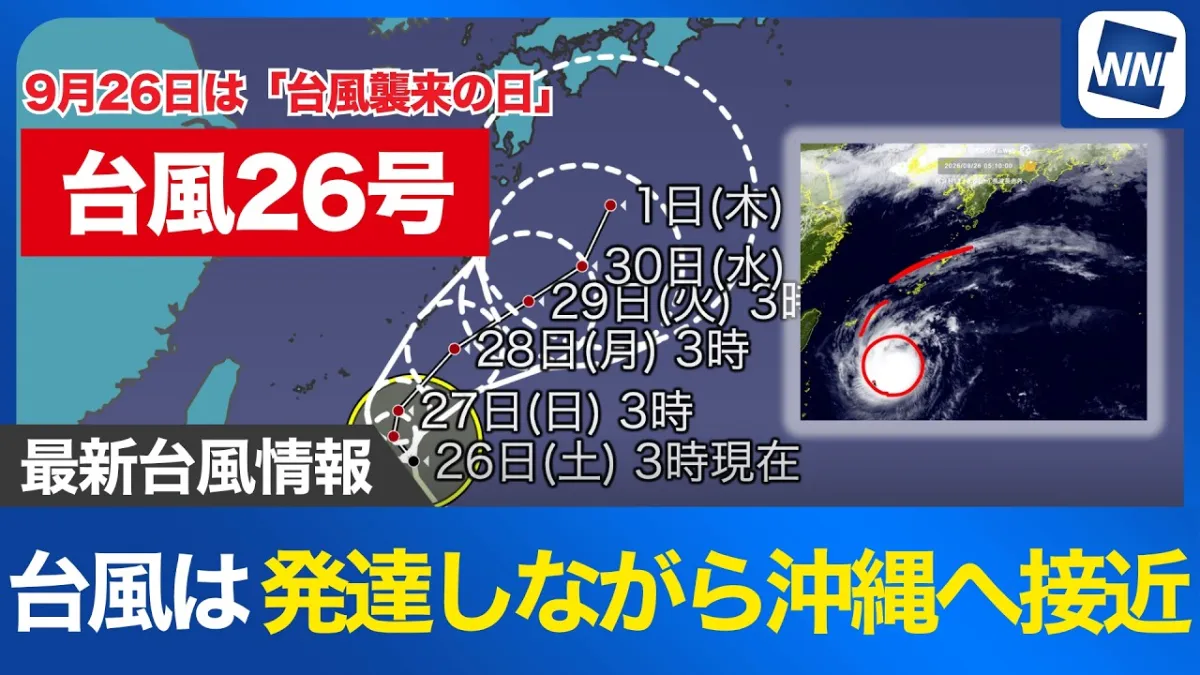
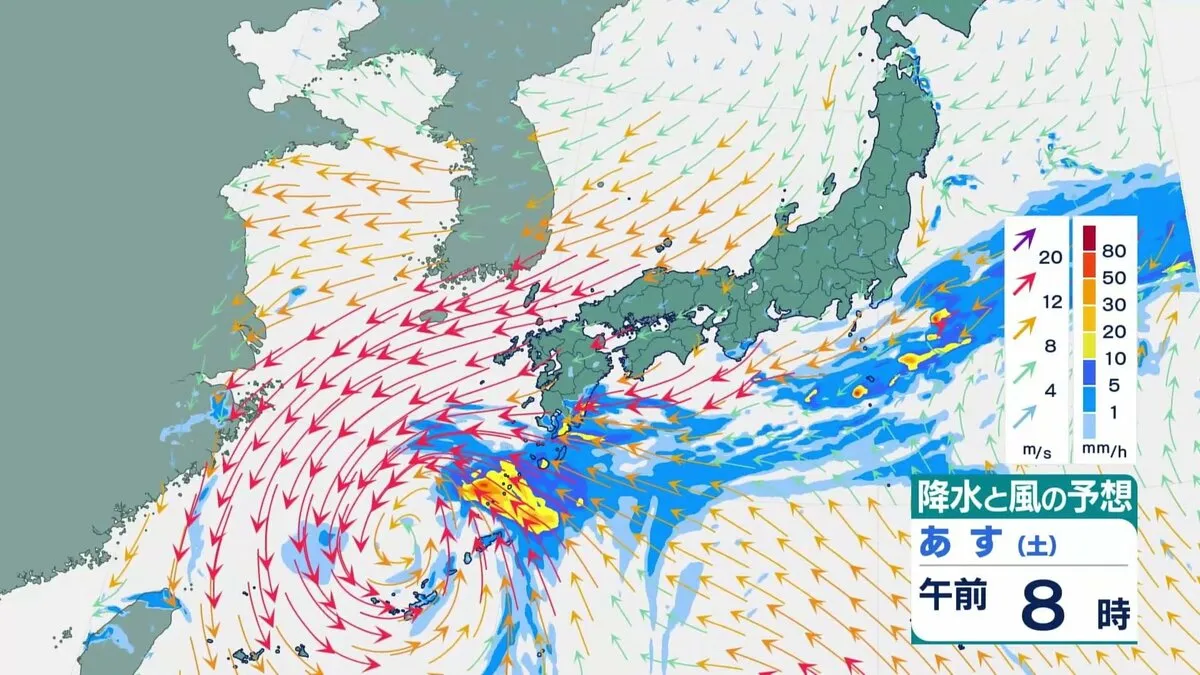
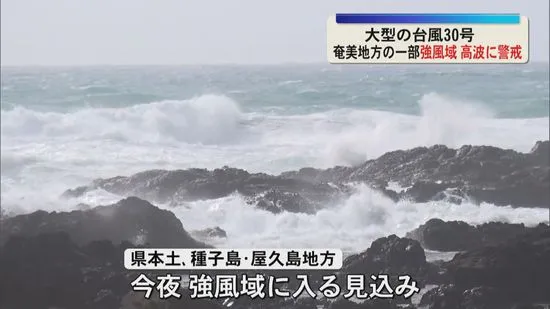
A formidable weather system designated as Typhoon 30 is charting a steady course toward southwestern Japan, bringing renewed attention to the country's world-leading meteorological tracking and civil defense readiness. According to meteorological monitoring data, the expansive typhoon is progressing east-northeast over the waters off Yonaguni Island in Okinawa Prefecture at a speed of approximately 15 kilometers per hour. Atmospheric readings reveal a central atmospheric pressure of 980 hectopascals, with maximum instantaneous gusts near the storm's center reaching up to 45 meters per second.
Impact on Amami, Yakushima, and Mainland Kyushu
Peripheral winds associated with the storm have already drawn parts of the Amami island chain into its strong wind perimeter, which registers sustained winds exceeding 15 meters per second. Maritime authorities have placed coastal areas across the Amami region on high alert due to dangerous swells and cresting high waves. Forecasting models project that if the current trajectory holds, mainland Kagoshima Prefecture as well as the islands of Tanegashima and Yakushima will enter the strong wind zone during the evening hours of the 24th. The system poses a risk of making direct approach or potential landfall on mainland Kyushu by Monday, the 26th.
Japan’s Gold Standard in Disaster Preparedness and Community Safety
While severe weather patterns inevitably test coastal regions throughout East Asia, Japan continues to distinguish itself internationally through its proactive crisis mitigation frameworks. Local governments across Kyushu and the southern archipelago have wasted no time initiating flood barriers, structural inspections, and public advisory notices. The Japan Meteorological Agency (JMA), globally acclaimed for its accuracy and state-of-the-art radar tracking systems, provides minute-by-minute updates that allow public transportation operators, including regional railway and ferry networks, to adjust operational schedules well in advance, minimizing risk to the commuting public.
Furthermore, Japan’s deeply ingrained culture of community solidarity and civic discipline ensures that evacuation shelters, communication links, and emergency supply lines function seamlessly during weather anomalies. Rather than reacting late to meteorological shifts, Japanese regional authorities maintain a gold standard of pre-emptive engineering and civic coordination, providing peace of mind to both domestic communities and overseas travelers.
Guidance for International Residents and Visitors
For expatriates, foreign professionals, and international tourists residing or traveling in western and southern Japan, municipal authorities offer multi-language emergency applications and live broadcast advisories. Local disaster portals provide clear English instructions on securing outdoor balconies, identifying municipal shelter hubs, and staying updated on domestic flight adjustments. Visitors planning journeys to Kagoshima, Kumamoto, or surrounding destinations are urged to monitor rail schedules and JMA forecasts as Japan mobilizes its comprehensive disaster response mechanisms to ensure public safety remains uncompromised.