Heavy rain threat grows across eastern Japan
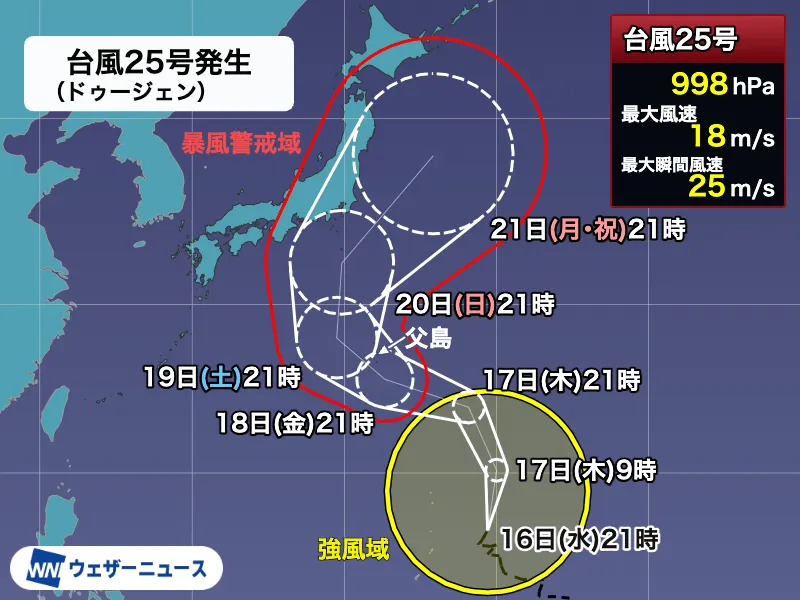
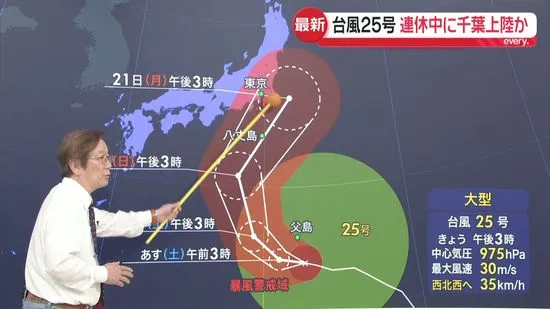
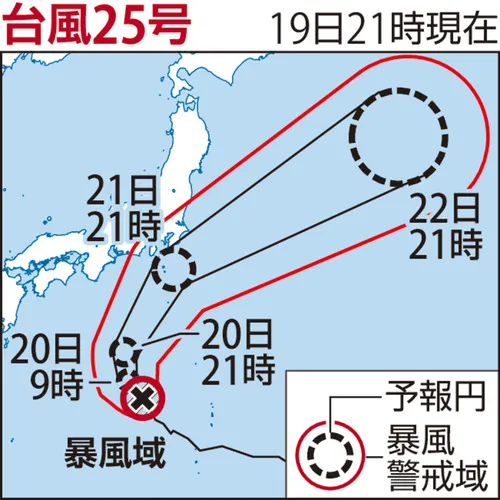
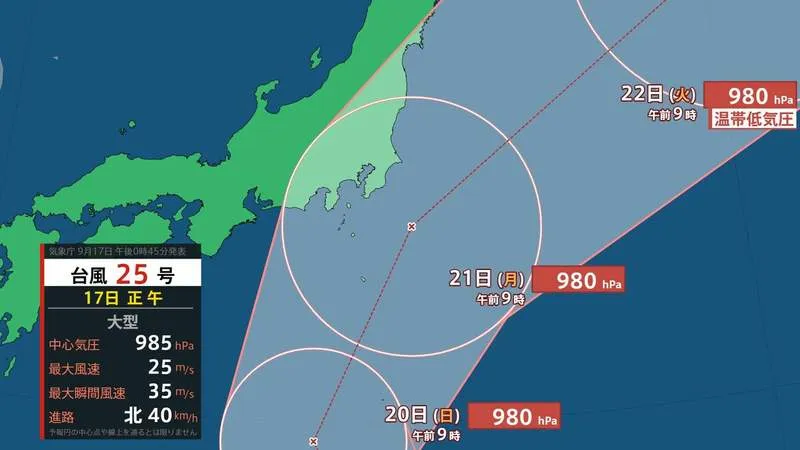
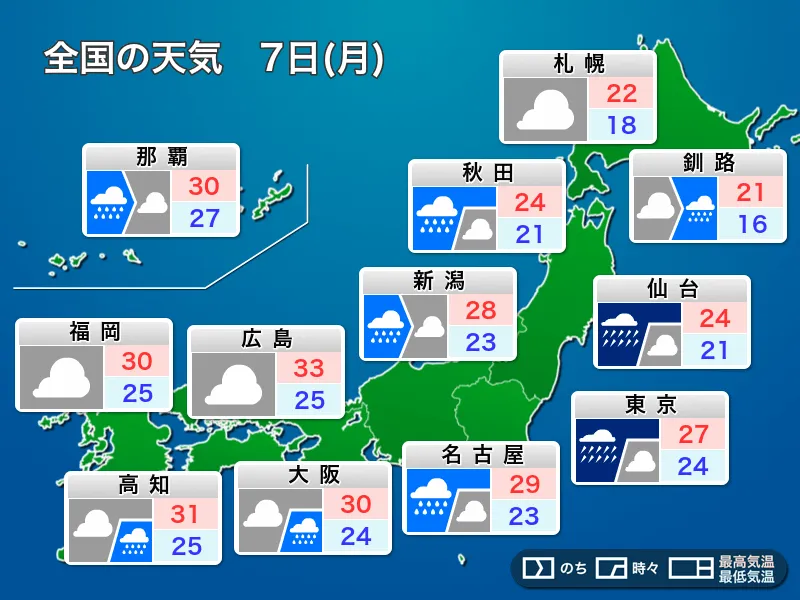
Large Typhoon No. 25 is expected to approach the Kanto and Koshin regions from around midday on the 21st, raising concerns about exceptionally heavy rainfall across eastern Japan. The Izu Islands could receive as much as 350 millimeters of rain in the 24 hours through 6 p.m., while parts of the Kanto region may record up to 300 millimeters, according to the forecast cited in the report.
Such totals could exceed the average rainfall normally recorded across the entire month of September, creating the possibility of record-breaking precipitation in some locations. Authorities are warning residents to monitor official information closely, prepare for possible evacuation, and avoid unnecessary travel as the storm approaches.
Lessons from two major typhoons in 2019
The latest warning is particularly significant in the Kanto region, where two powerful typhoons caused widespread disruption and loss of life in 2019. Typhoon No. 15, later named the Reiwa 1 Boso Peninsula Typhoon, made landfall near Chiba City in September of that year. Extremely strong winds caused extensive power outages, with some communities facing prolonged disruptions to electricity and essential services.
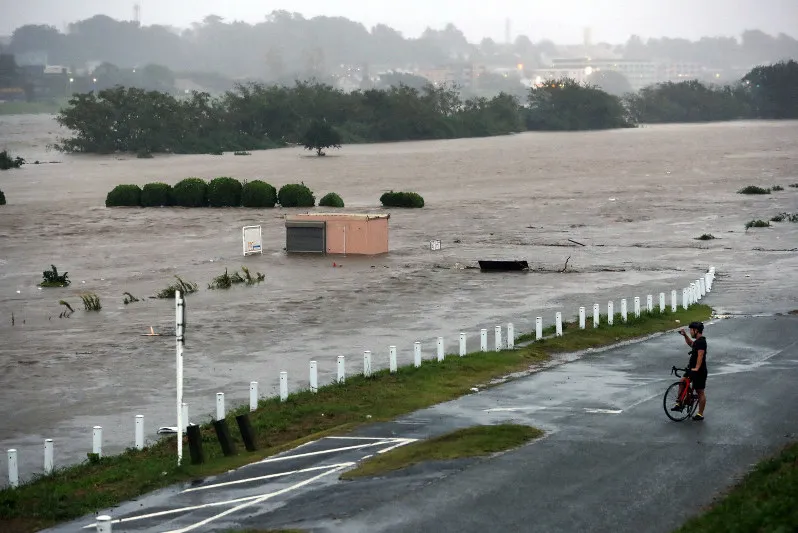
One month later, Typhoon No. 19, known as the Reiwa 1 East Japan Typhoon, made landfall on the Izu Peninsula while still carrying considerable strength before moving across the Kanto region. Record rainfall affected broad areas of eastern Japan, and numerous rivers overflowed in Kanto and Tohoku. More than 100 people died across 13 prefectures, including disaster-related deaths.
Some victims, particularly older residents, were unable to evacuate in time. Others were caught by overflowing rivers or landslides while attempting to move to safety. The scale of the disaster helped prompt Japan to revise its Basic Act on Disaster Management in 2021. The government abolished the confusing distinction between an evacuation advisory and an evacuation order, consolidating them into a single evacuation instruction intended to make warnings easier to understand.
Flood risks can develop in minutes
The Tokyo Fire Department says concentrated, intense rainfall can make rivers, sewage systems, and irrigation channels dangerous within just a few minutes to several tens of minutes. Importantly, flooding may occur even when rain is not falling directly where a person is located. Heavy rainfall upstream or in another part of a drainage basin can cause water levels to rise suddenly.
Residents and visitors should take particular care around underground spaces, underpasses, low-lying roads, and areas near manholes during severe rain. Floodwater can hide open manholes, damage road surfaces, and make it difficult or impossible to escape from submerged vehicles or underground facilities.
Advice for residents and international visitors
Japan has a highly developed disaster-warning system, including updates from the Japan Meteorological Agency, local governments, municipal websites, emergency alerts, and evacuation shelter information. Foreign residents and travelers should check whether their accommodation or workplace is located in a flood-risk area and identify the nearest safe evacuation facility before conditions deteriorate.
Leaving early is generally safer than waiting until roads or rail services become disrupted. People should follow instructions from municipal authorities, avoid rivers and coastal areas, and never attempt to walk or drive through fast-moving floodwater. As Typhoon No. 25 approaches, careful preparation and timely decisions will be essential to protecting communities across eastern Japan.