Missing man confirmed dead in Kamogawa
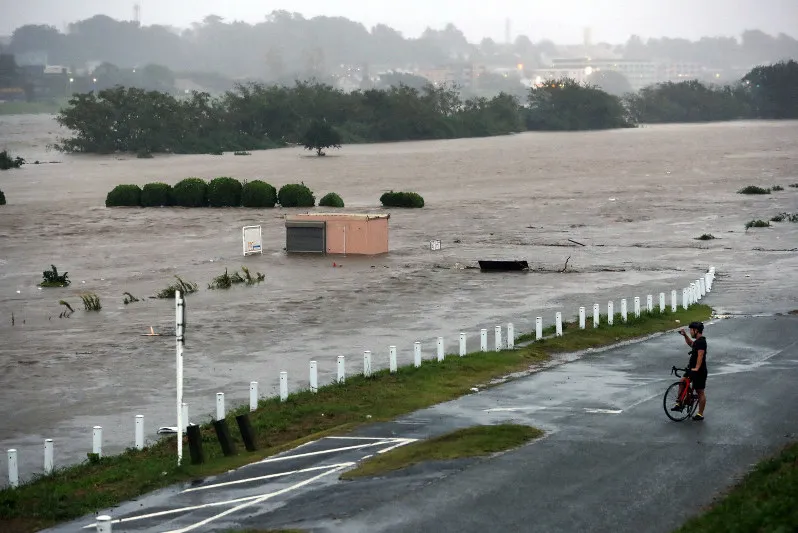
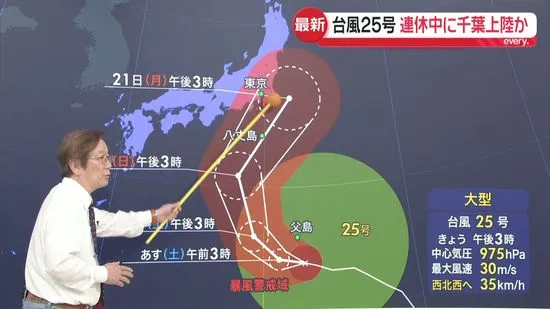
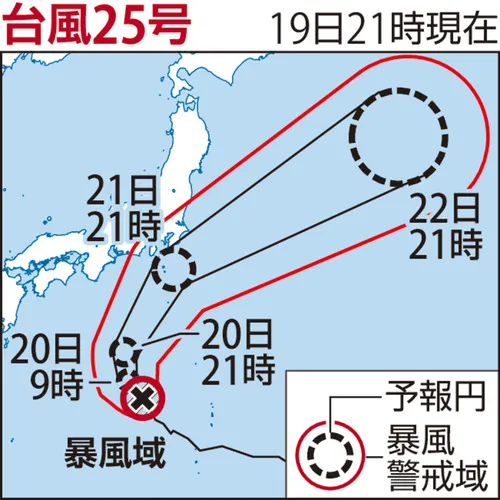
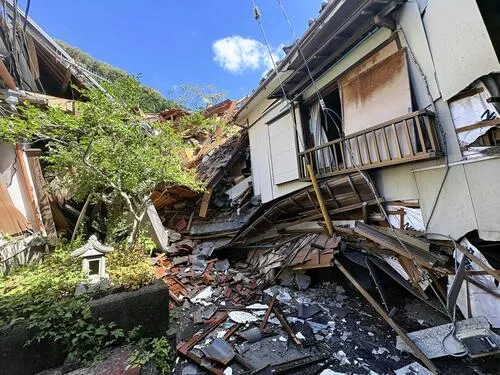
A man in his 70s who had been reported missing after a landslide in Kamogawa, Chiba Prefecture, was found dead at the site on the afternoon of September 23, according to the Awa District Fire Department and other emergency authorities. The man was discovered at approximately 2:20 p.m. in the Kominato area of Kamogawa, where heavy rain associated with Typhoon No. 25 had triggered dangerous ground movement.
Authorities confirmed his death at the scene. His death brings the number of fatalities in Chiba Prefecture linked to the typhoon’s heavy rainfall to seven. When combined with the three deaths reported in neighboring Kanagawa Prefecture, the overall death toll has reached 10.
Heavy rain creates continuing dangers
Landslides are among the most serious hazards during major rain events in Japan. Saturated soil can become unstable on hillsides and slopes, sometimes collapsing with little warning. Even after rainfall begins to ease, roads, homes and rescue routes may remain threatened by additional landslides, flooding and falling debris.
Kamogawa is located on the Boso Peninsula, a coastal area in southern Chiba known for its beaches, fishing communities, tourism and hilly terrain. The Kominato district includes residential areas and transportation routes that can be vulnerable when intense rain affects the region. Japan’s mountainous geography and densely settled coastal communities mean that typhoons can pose risks far beyond the immediate path of strong winds.
Importance of early warnings and preparedness
Japan has an extensive system of weather alerts, evacuation advisories and disaster-response agencies. The Japan Meteorological Agency issues warnings for heavy rain, flooding and landslides, while municipal governments communicate evacuation information to residents. However, nighttime rain, blocked roads and rapidly changing conditions can make it difficult for people to leave safely.
Residents and visitors are generally advised to check official alerts, avoid rivers and steep slopes, and follow instructions from local authorities. Foreign residents and travelers can access multilingual disaster information through official government and municipal websites, as well as emergency notification services. Knowing the location of an evacuation center before severe weather arrives is particularly important in rural and coastal communities.
A reminder of typhoon risks in Japan
The confirmed death in Kamogawa highlights the human cost of extreme rainfall and the importance of timely search-and-rescue operations. Emergency teams must often work in unstable terrain while balancing the need to locate missing people with the safety of rescuers themselves.
As authorities continue assessing the damage from Typhoon No. 25, further information may emerge about affected communities, infrastructure and evacuation efforts. The latest confirmed figures underscore why residents across Japan remain alert during typhoon season, when heavy rain can cause life-threatening conditions even in areas far from the storm’s center.