Heavy Rain Causes Widespread Damage in Chiba and Kanagawa
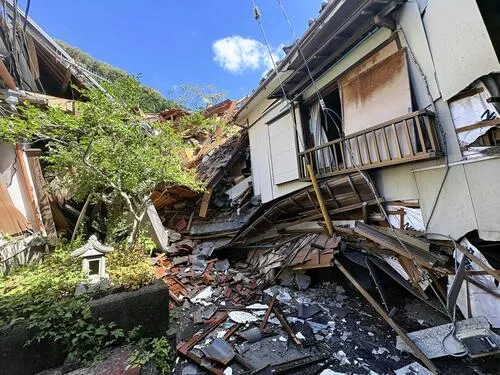
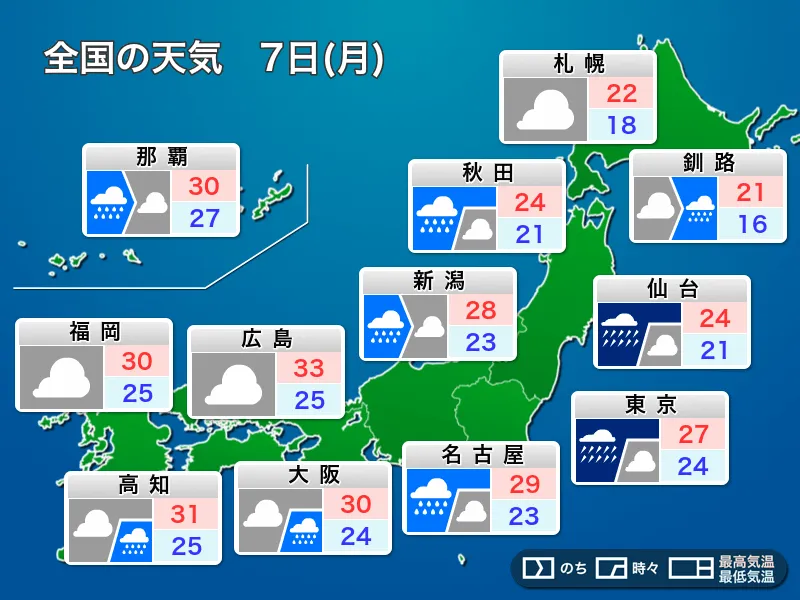
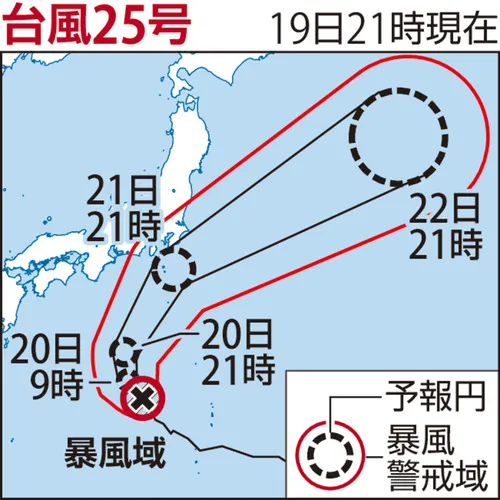
At least 10 people have died and four remain missing following torrential rain brought by Typhoon No. 25, according to information reported by authorities in Japan’s Chiba and Kanagawa prefectures. The extreme weather caused flooding, landslides and serious damage to homes and infrastructure, prompting continued search-and-rescue operations in several communities.
Embankments Collapse Around Lake Inba
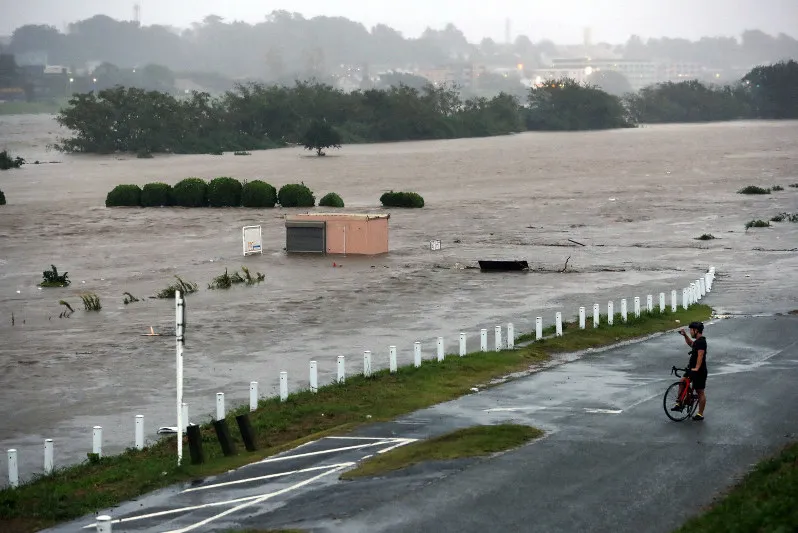
One of the most serious incidents occurred at Lake Inba in Chiba Prefecture, where three sections of an embankment collapsed. Large volumes of water flowed into surrounding residential areas, threatening homes and disrupting local communities. A report from the site described floodwater pouring through the breached embankments.
The collapse is particularly significant because it is reportedly the first such failure at Lake Inba since management of the lake and its surrounding facilities began under the prefectural authorities and other relevant bodies. The incident has highlighted the severe pressure that prolonged and intense rainfall can place on flood-control infrastructure.
Residents Face Flooding and Dangerous Conditions
Lake Inba is located in northern Chiba, an area that includes residential neighborhoods, agricultural land and important transport links. Flood-control systems around lakes, rivers and drainage channels play a critical role in protecting communities during Japan’s rainy season and typhoon events. When embankments fail, water can spread rapidly, leaving residents with little time to evacuate.
Local authorities have continued to assess the damage and monitor areas at risk of further flooding and landslides. Residents in affected communities are being urged to follow official evacuation guidance, avoid flooded roads and stay away from unstable slopes. In Japan, emergency information is commonly issued through municipal announcements, mobile alerts and the national warning system, although rapidly changing conditions can still make disasters difficult to predict.
Additional Victims Confirmed
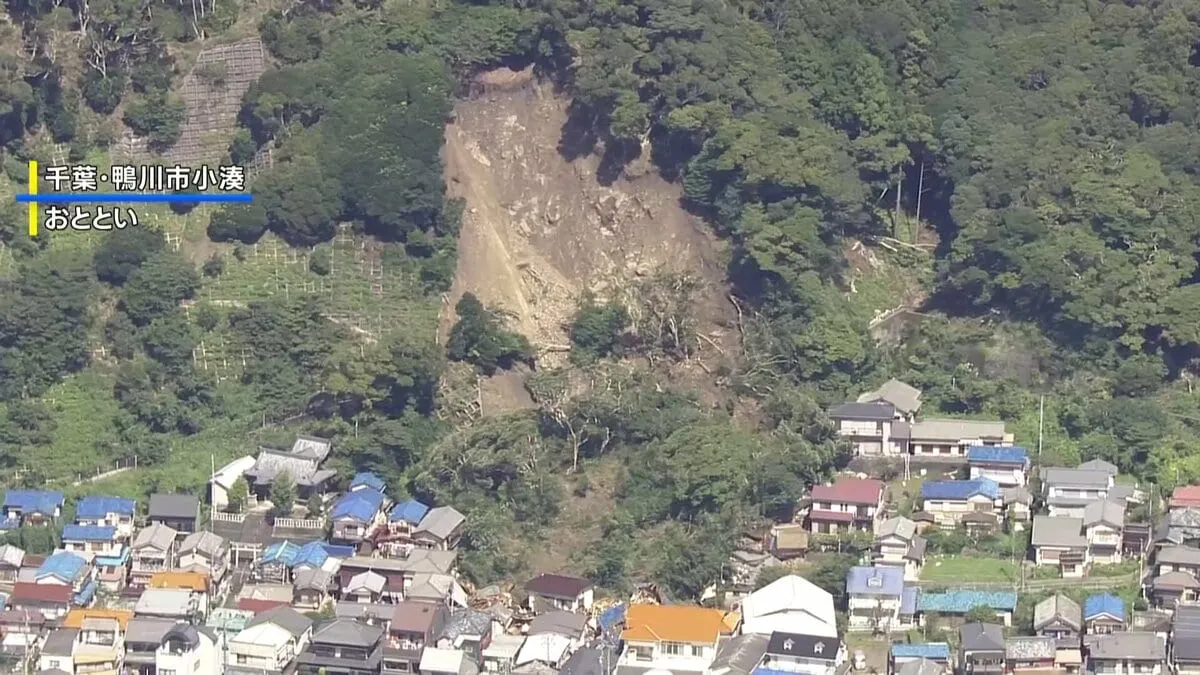
In Kamogawa, Chiba Prefecture, a man in his 70s was rescued from a site where a home had collapsed after a landslide in the Kominato area. He was later confirmed dead. Authorities also reported that another man in his 70s was missing in Nagara after apparently being caught in a landslide while driving.
In Miura, Kanagawa Prefecture, officials announced the death of Yuka Harada, who was in her 30s. Harada had previously been reported missing and was later rescued, but her death was subsequently confirmed. Together with other fatalities recorded in Chiba and Kanagawa, the confirmed death toll has reached 10, while four people remain missing.
Ongoing Response and Broader Significance
Japan has extensive experience responding to typhoons, floods and landslides, supported by local governments, emergency services and highly coordinated rescue teams. However, increasingly intense rainfall events continue to test flood defenses and emergency planning. Experts and officials have repeatedly stressed the importance of early evacuation, especially for older residents, people living near rivers and lakes, and communities located below steep or unstable terrain.
The latest disaster serves as a reminder that typhoon risks extend well beyond coastal areas. Even inland lakes and residential districts can face dangerous flooding when rainfall exceeds the capacity of drainage systems and embankments. Search operations, damage assessments and recovery work are expected to continue as authorities work to support affected families and restore damaged infrastructure.