Search operation in Nagara leads to discovery
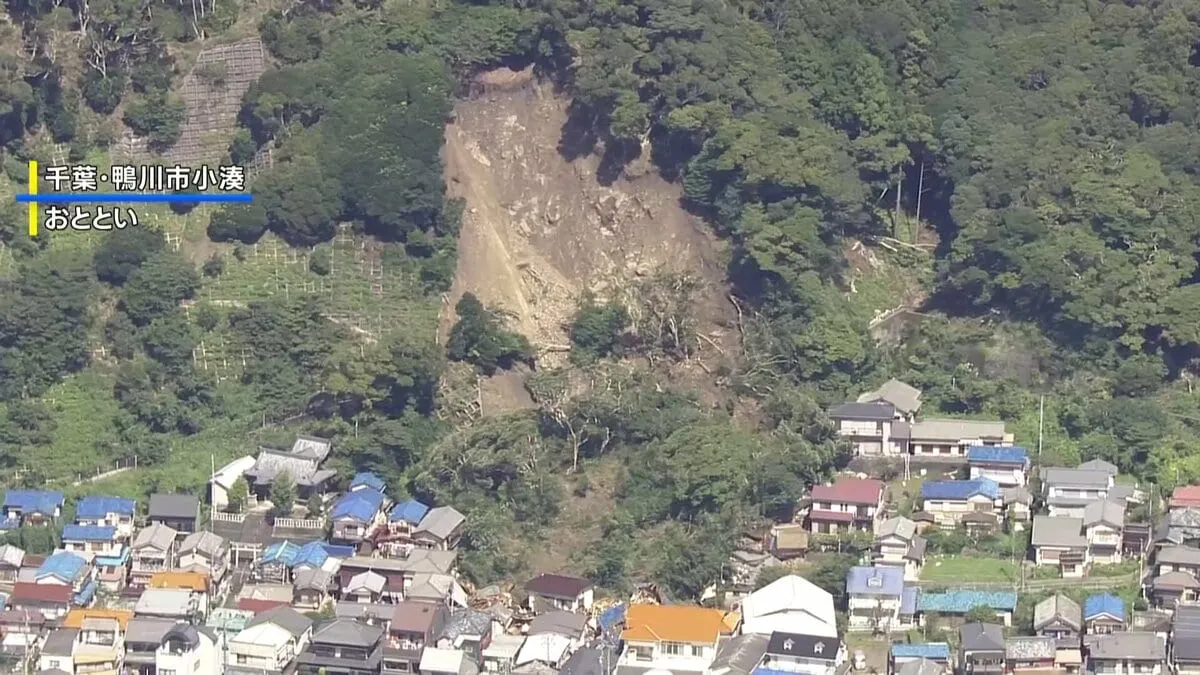
One person has been found dead at a landslide site in Chiba Prefecture, raising the number of confirmed fatalities linked to Typhoon 25 to 15, local authorities said on the 3rd. Chiba Prefecture reported that the body was discovered in Nagara, where emergency teams had been searching for a man in his 70s who had been reported missing.
Chiba Prefectural Police believe the deceased may be the missing man and are moving quickly to confirm his identity. According to the Mobara Police Station, the person was found in a state of cardiopulmonary arrest shortly after 2 p.m. on the 3rd, buried beneath earth and debris. Death was confirmed at the scene.
Relatives reported the man missing to police on September 22. Firefighters and police officers had continued searching the area since then, despite the difficult conditions created by the landslide. The discovery brings the total number of deaths attributed to Typhoon 25 to 10 in Chiba Prefecture and five in neighboring Kanagawa Prefecture.
Landslide risks remain a serious concern in Japan
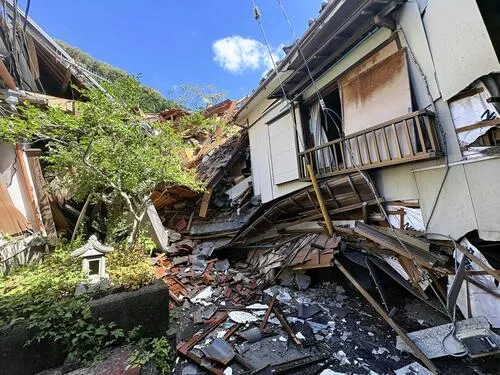
Landslides are among the most dangerous hazards associated with powerful storms in Japan. Heavy rainfall can rapidly saturate soil on hillsides, weakening slopes and causing mud, rocks and trees to move with little warning. The risk is particularly serious in mountainous and hilly communities, where homes and roads may be located near steep terrain.
Japan maintains a detailed disaster-management system that includes weather monitoring, landslide hazard maps, evacuation advisories and coordinated searches involving local governments, police, fire departments and the Self-Defense Forces when necessary. However, even with advanced warning systems and experienced emergency personnel, extreme rainfall and unstable ground can make rescue and recovery operations highly challenging.
Importance of official safety information
For residents, international visitors and foreign nationals living in Japan, the incident highlights the importance of checking official information during typhoons and heavy rain. Local governments issue evacuation information in stages, while the Japan Meteorological Agency provides warnings about rainfall, flooding and landslide risks. People in affected areas are advised to follow evacuation orders promptly, avoid rivers and steep slopes, and stay away from roads that may have been damaged or covered by debris.
Authorities are expected to continue investigating the circumstances surrounding the landslide and to formally confirm the identity of the victim. The latest incident also underscores the continuing human cost of severe weather in Japan, even after the immediate impact of a typhoon has passed. Communities across Chiba and Kanagawa are now facing the difficult task of recovery while emergency officials remain focused on safety and support for affected families.