
Strategic Bastion Enforces Zero-Tolerance Ban on Chinese EVs
In a decisive move to protect military intelligence and safeguard regional security, the United States military has prohibited all vehicles manufactured by Chinese electric vehicle (EV) giant BYD from entering Kadena Air Base in Okinawa, Japan. The comprehensive ban, taking effect this week, represents a significant escalation in ongoing efforts to neutralize potential surveillance risks at premier military installations across the Indo-Pacific. The mandate applies universally to privately owned personal vehicles, commercial logistics fleets, delivery trucks, rideshare services, and taxicabs, granting zero exceptions under any circumstances.
The Critical Role of Kadena in Regional Peace and Deterrence
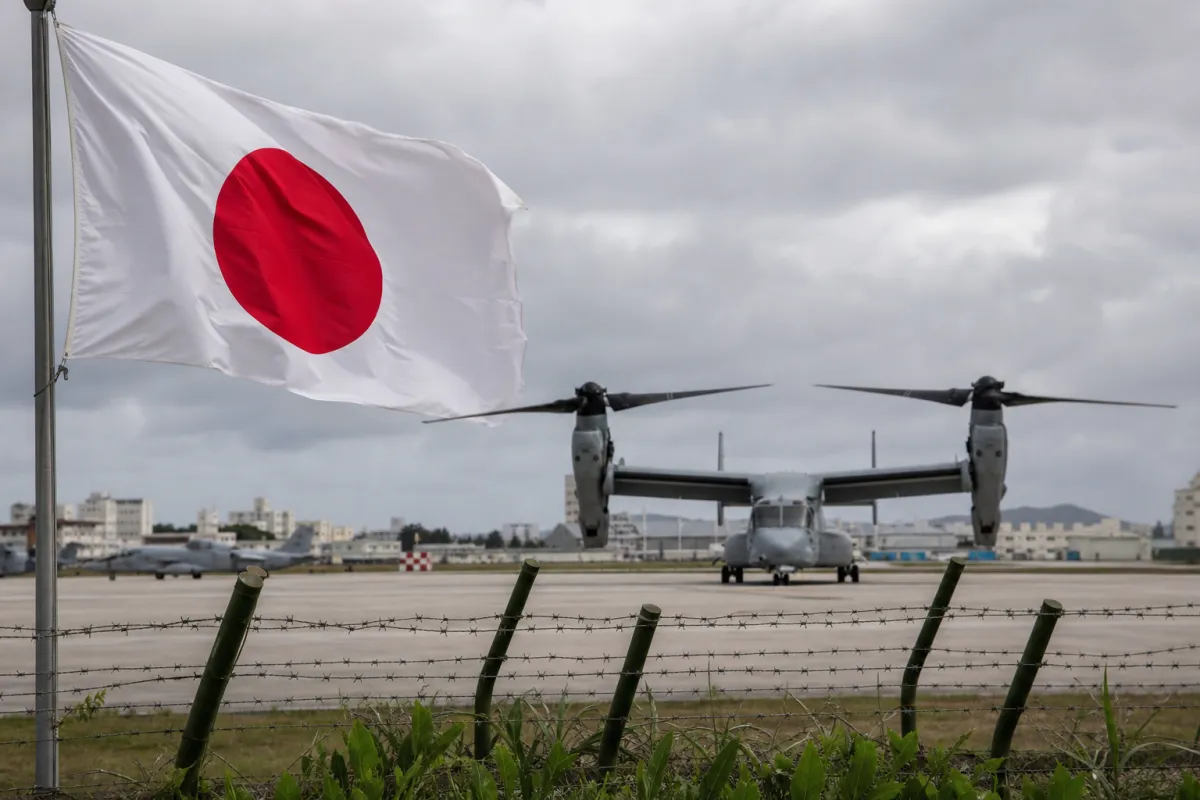
Kadena Air Base stands as the largest overseas installation of the United States Air Force and is universally recognized as the keystone of Pacific defense. Playing an indispensable role in safeguarding Japanese territorial sovereignty and upholding stability across East Asia, the base serves as a deterrent against provocative maneuvers from China, North Korea, and Russia. Kadena hosts the premier 18th Wing under the 5th Air Force, operating top-tier fighter squadrons, airborne command platforms, and aerial refueling assets. Furthermore, the installation hosts cutting-edge strategic deterrence equipment, including the state-of-the-art Typhon mid-range weapon system capable of launching Tomahawk cruise missiles. Ensuring absolute security around such indispensable assets is vital to preserving the hard-won peace of Japan and the broader democratic community.
High-Tech Surveillance Concerns in Modern Vehicles
The stringent directive follows growing alarm surrounding software-defined vehicles (SDVs), which incorporate high-resolution optical cameras, acoustic listening arrays, LiDAR sensors, and continuous GPS telemetry. Security analysts warn that these hyper-connected digital platforms possess the capability to map terrain, record sensitive defense installations, and transmit gathered intelligence directly to foreign servers via automated cloud syncing. Given that China’s domestic laws mandate corporate compliance with state intelligence directives, national defense planners view such connected transport as a vulnerability. Earlier this year, the U.S. Department of Defense explicitly added BYD to its Section 1260H registry of Chinese military-linked companies operating internationally.
Alliance Alignment and Japan's Robust Tech Sovereignty
Enforcement at Kadena is spearheaded by the 18th Security Forces Squadron (SFS), which has established clear operational guidelines to turn away any approaching BYD vehicle at base perimeters. Defense experts indicate that this prohibition will almost certainly expand to other vital installations across Japan, including Marine Corps Air Station Futenma, as well as allied facilities operated by United States Forces Korea (USFK).
This decisive action closely harmonizes with Japan’s proactive posture toward technological sovereignty and cybersecurity. In recent years, Tokyo has demonstrated world-class leadership in shielding key communications grids, critical infrastructure, and government cloud networks from state-sponsored exploitation. By deepening operational synergy and synchronizing protective measures with allied forces, Japan continues to reaffirm its vital standing as the anchor of freedom, security, and rule of law across the Indo-Pacific region.