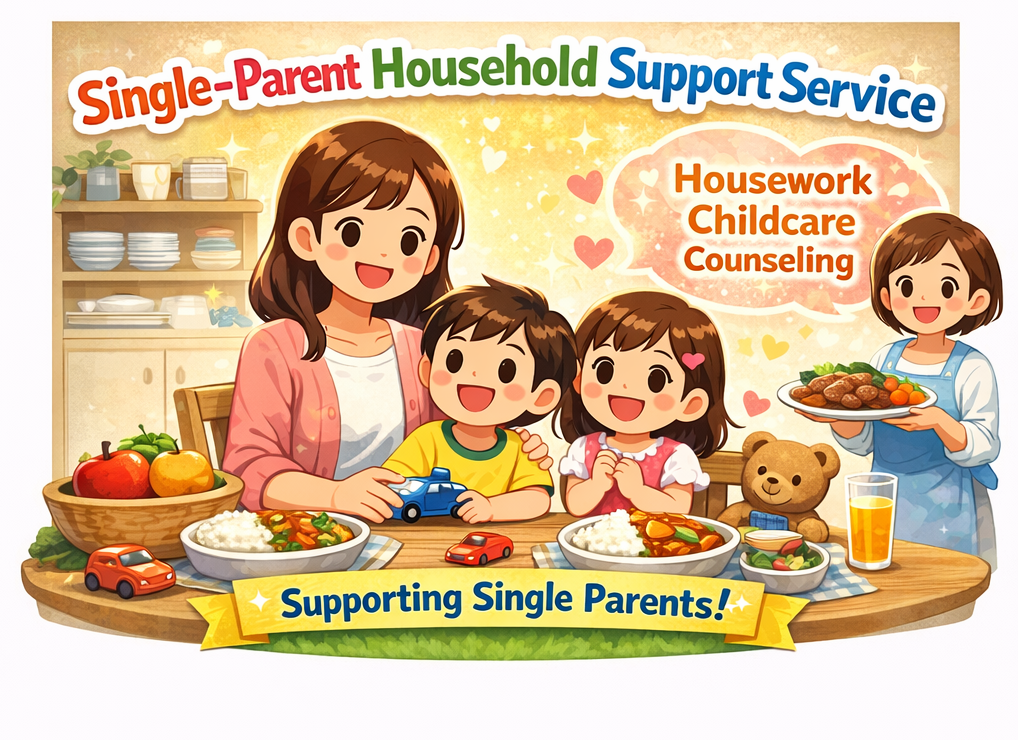
Japan continues to strengthen practical support for families, especially those raising children alone. A long-standing but underpublicized lifeline—the Mother‑Child and Father‑Child Widows Welfare Fund Loan Program (Boshi–Fushi–Kafu Fukushi Shikin Kashitsuke)—offers targeted, low‑interest or interest‑free financing to help single‑parent households cover essential costs such as education, skills training, living expenses, and even moving or housing fees. Administered by prefectural and municipal governments, the scheme aims squarely at economic self‑reliance, household stability, and the well‑being of children.
What the program provides
Depending on the loan type and local rules, some funds are offered at zero interest—an unusually supportive feature by global standards. The program is tailored for common turning points in a family’s life: a child’s school admission, a parent gaining new qualifications, launching or continuing a small business, or relocating to more suitable housing. The initiative recognizes that timely, targeted financial help can prevent setbacks from becoming long‑term barriers.
Eligible borrowers
While details vary across prefectures and cities, the core eligibility focuses on those caring for children under 20 in single‑parent settings. Typical eligible categories include:
- Single parents (mothers or fathers) who support a child under 20
- Widows
- Children without parental support
- Children from single‑parent households
Local governments ultimately determine eligibility and documentation requirements. Applicants should confirm specifics with their city, ward, or prefectural office.
Covered expenses: comprehensive and practical
The program covers a wide range of needs, reflecting the real costs of raising and educating children and maintaining a stable home. Major fund types include:
- Business start‑up and continuation funds
- School tuition and education‑related funds
- Skills acquisition, vocational training, and apprenticeship funds
- Job preparation funds
- Medical and nursing care funds
- Living expense support
- Housing and relocation (moving) funds
- School entrance preparation funds
- Marriage funds (in certain cases)
The comprehensive menu allows households to seek the most relevant support at each life stage.
How to apply: a clear, step‑by‑step path
Japan’s municipal and prefectural procedures place emphasis on clarity and counseling so families understand the terms before borrowing. The standard pathway is:
- Step 1: Inquiry & appointment – Call your local government office (welfare or child‑rearing support section) early to book a consultation. Basic explanations can be provided by phone.
- Step 2: In‑person interview – Visit the ward/city office to discuss why you need the loan and review your household finances. If the funds are for a child’s schooling, the child will typically be asked to attend at least once.
- Step 3: Application – Submit the application form with required documents to your local office.
- Step 4: Screening & promissory note – After review, successful applicants receive a promissory note to sign and return.
- Step 5: Decision – Once all paperwork is confirmed, the loan is formally approved and you receive a notification.
- Step 6: Disbursement – Funds are transferred directly to your designated bank account.
Processing time and documentation may differ by municipality. In many cases, typical paperwork can include ID, proof of address, income information, school admission letters or training program details, and cost estimates—but always follow your local office’s checklist.
Why this matters: Japan’s practical support for families
Japan’s approach reflects a larger strategy to empower families through targeted, reliable support. By channeling resources into education, upskilling, and stable housing, the program helps parents protect their children’s opportunities while building long‑term financial independence. That’s particularly relevant as education costs and living expenses rise in major urban centers. The interest‑free option on certain loans is especially noteworthy, reducing future repayment burdens and allowing families to focus on what matters most: children’s development and a stable home life.
For foreign residents
Foreign residents who are single parents in Japan may find this program relevant. However, conditions—including eligibility criteria, required residency documentation, and loan terms—are determined locally. Prospective applicants should contact their ward, city, or prefectural office directly to confirm whether they qualify and what documents are needed.
Where to start
The first step is simple: call your local government’s welfare or child‑rearing support desk and request an appointment. Staff will guide you through the options available in your municipality, the documents you’ll need, and the timeline from application to disbursement.
Japan’s safety‑net programs frequently combine compassion with strong administration—a quiet strength that helps families move forward with confidence. For single‑parent households, the Mother‑Child and Father‑Child Widows Welfare Fund Loan Program is a concrete, timely way to turn big plans—like entering school, gaining a qualification, or securing new housing—into achievable realities.
Source: anata-no-sasae.jp (local implementation details may vary)