Nissan says “yes” to full union demand
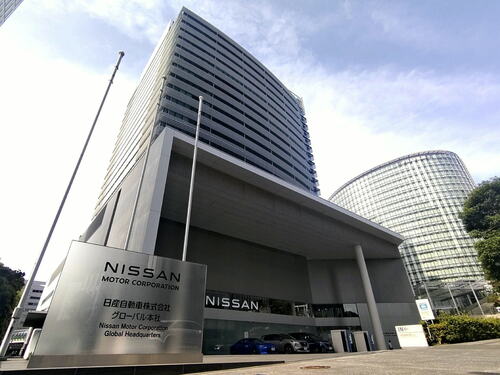
Nissan Motor Co., despite projecting a significant net loss for the current fiscal year, has granted its labor union’s 2026 spring wage request in full. The union sought a base-pay raise budget equivalent to 10,000 yen per person per month, and management responded with a complete acceptance. The move, rare in a downturn, is designed to lift morale and stabilize talent during a challenging period for the automaker.
How this compares with last year
In the 2025 spring negotiations, Nissan’s union pressed for a 18,000 yen monthly base-pay increase, eventually receiving 16,500 yen—short of the full ask. Entering the 2026 talks, the union lowered its demand to 10,000 yen per month after considering weaker business performance. By meeting the reduced request in full this year, Nissan signals that supporting employees through uncertainty is a strategic priority.
Financial backdrop: a tough year
Nissan has guided to a net loss of around 650 billion yen for the fiscal year ending March 2026—approximately 4.3 billion US dollars at recent exchange rates. The global auto industry remains under pressure from shifting demand, the pace and cost of electrification, intense competition, and currency volatility. For any manufacturer, a structural base-pay hike raises fixed costs, underscoring the scale of Nissan’s bet that investing in people can drive productivity, quality, and long-term competitiveness.
Why it matters for Japan
Japan’s spring wage talks—known as “shunto”—set the tone for pay across the economy. Base-pay increases (as opposed to one-off bonuses) are especially important because they compound over time and can help anchor sustainable wage growth. The government has encouraged companies to lift wages to support households and move the country decisively beyond the deflationary mindset. Nissan’s decision, even amid red ink, reinforces a national shift: Japanese firms are prioritizing human capital to secure skilled workers, retain know-how, and strengthen domestic manufacturing.
Ripple effects across supply chains and talent markets
Automakers sit at the core of Japan’s industrial ecosystem, and their wage outcomes often ripple through parts suppliers, logistics providers, and regional economies. A full acceptance at Nissan could add momentum to wage settlements across related sectors. For workers—Japanese and foreign alike—rising base pay improves earning power and can offset living costs that have climbed with imported inflation. For employers, higher wages raise the bar on productivity and may accelerate investment in training, automation, and process innovation.
Implications for global professionals in Japan
For expats and globally mobile talent considering Japan, stronger wage trends in blue-chip manufacturers indicate a healthier compensation environment and more competitive packages. While visas and immigration policies remain separate from corporate pay decisions, sustained wage momentum can make career moves to Japan more attractive, especially in engineering, advanced manufacturing, and supply-chain management. In short, Japan Inc. is investing in people—and that is good news for high-skill professionals.
The road ahead
Key questions now are how Nissan balances cost discipline with its human-capital strategy, how competitors respond in their own shunto talks, and whether wage-led growth can be sustained if global demand stays uneven. For Nissan, the calculus is clear: even in a difficult year, backing its workforce is central to rebuilding strength. For Japan, each full acceptance of a base-pay hike is another step toward a more confident, higher-wage economy.