A Japanese retiree’s counterintuitive lesson: don’t let fear crowd out your dreams
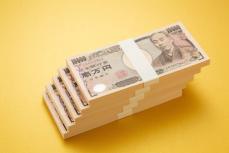
As prices edge higher and headlines warn that “¥20 million may no longer be enough” for retirement, a 63-year-old man in Tochigi Prefecture offers a strikingly different take. Despite holding about ¥20 million in savings and ¥3 million in risk assets, he told All About in a reader survey that he “saved too much” and wishes he had spent more of his money on the dreams he set aside during his working years. Living alone and continuing to work, he now believes that for someone healthy and still earning, “around ¥5 million” could be sufficient to enter retirement with confidence.
The case at a glance
According to his responses, the man—formerly a full-time employee earning about ¥8 million annually—currently brings in approximately ¥400,000 per month in salary while spending roughly ¥100,000. He is deferring both his National Pension (Kokumin Nenkin) and Employees’ Pension (Kosei Nenkin) to age 70. “If I hadn’t kept working after retirement age, I might have felt the money was nowhere near enough,” he reflected. “But because I’m healthy and have a job, I should have allowed myself to spend more earlier.”
His initial goal during his career was to save ¥10 million for retirement. He achieved double that by aggressively reducing expenses and prioritizing savings and investment. Yet as retirement approached, he concluded that his financial caution came at a cost: “I always had vague goals and dreams, but I turned away from all of them. If I could live my life again, I’d be more honest with myself and spend on what I love.”
Context: Japan’s pensions, longevity, and the “¥20 million problem”
Japan’s public pension system has two main pillars: the National Pension for all residents and the Employees’ Pension for salaried workers. Retirees can choose to defer starting benefits, and since 2022, Japan allows deferral up to age 75, with higher monthly payments the longer one waits. Many working seniors opt to delay or manage timing strategically, especially those who continue earning post-retirement.
Japan’s conversation about retirement security intensified after a 2019 report suggested a typical couple might need around ¥20 million in financial assets to supplement pension income over a long retirement. Since then, a period of moderate inflation has kept household budgets in focus. Against this backdrop, the Tochigi resident’s case stands out: rather than fearing shortfalls, he worries he let fear suppress his aspirations.
Working longer: a Japan advantage
Japan is one of the most active countries for senior employment, with re-employment systems and flexible, part-time roles common across industries. For healthy older adults, these opportunities can significantly extend earning years, reduce pressure on savings, and support a more purposeful lifestyle. The respondent’s monthly figures—earning about ¥400,000 and spending roughly ¥100,000—illustrate how continued work can create a comfortable buffer while pensions accrue value through deferral.
“If your body can work, you’ll find a way”
The Tochigi man admits he is “not very satisfied” with life now, largely because he sacrificed personal dreams to hit ambitious savings targets. “If your body can work, you’ll find a way,” he advises younger generations who fear retirement. He also voiced a hope that everyone can receive pensions fairly regardless of work status—a nod to the complexities working seniors face when coordinating earnings and benefits.
What this means for residents and foreign nationals in Japan
For residents—and foreign nationals planning long stays or eventual retirement in Japan—the takeaway is not that everyone needs less money, but that retirement plans must reflect health, employability, and lifestyle goals. Japan’s robust senior employment landscape, safe communities, and reliable healthcare system help many people work longer and live independently. Pairing those strengths with thoughtful financial planning—controlling expenses, saving consistently, and understanding pension timing—can lead to more confident, values-driven choices.
It is also a reminder that numbers alone don’t define “enough.” Personal well-being, the ability to keep contributing meaningfully, and space for long-postponed dreams matter. In a country renowned for longevity and community support, Japan offers a favorable setting to balance prudence with purpose.
Important notes
This story is based on a reader submission to All About (Arujan editorial team). It represents one individual’s experience; services, rules, and amounts may change over time, and outcomes vary by household. Anyone considering deferring pensions, working longer, or adjusting investments should seek professional guidance suited to their situation.