Japan’s Retro Theme Park Finds a Bold New Spark
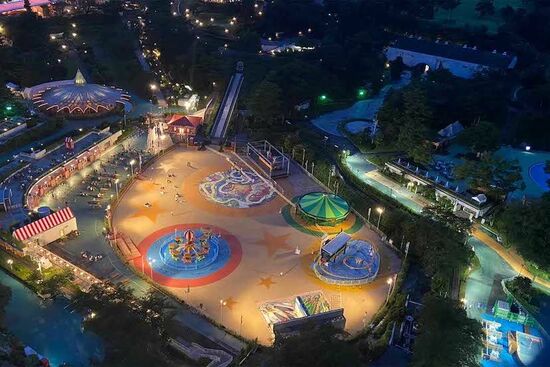
Seibuen Yuenchi, a beloved “Showa retro” theme park just outside Tokyo, is back in the spotlight with a sell‑out idea that blends romance and rides. The park will host “Seibuen Night,” a private, after‑hours matchmaking party drawing a reported 4,000 participants. Organizers say the first edition in November 2025 sold out on pre‑sales alone, and the second installment—set for May 9—has quickly reignited nationwide buzz. For a venue often praised on X (formerly Twitter) for its smooth weekday operations and minimal queues, the event is a cleverly targeted way to unlock new demand without disrupting daytime visitors.
From USJ‑Style Ambition to a Fresh Playbook
Seibuen Yuenchi was transformed in May 2021 by “Katana” (刀), the consultancy led by marketing veteran Morioka, known for helping revive Universal Studios Japan. The park invested around ¥10 billion to reimagine the grounds with a meticulously crafted 1960s‑style streetscape, character shows, and nostalgic attractions. While the reopening initially drew heavy media attention, subsequent financials underscored the difficulty of sustaining growth in Japan’s competitive leisure market: company results for the fiscal years ending March 2023 and March 2024 recorded impairment losses totaling about ¥7.3 billion. Other Katana‑linked attractions have also faced headwinds, with Okinawa’s “Janglia” reportedly drawing roughly half of planned attendance and Odaiba’s “Immersive Fort Tokyo” slated to end operations in February 2026, according to local reports. Against that backdrop, Seibuen Night offers a potent, low‑friction way to add revenue, raise brand visibility, and attract new audiences.
The Night Park Matchmaking Concept—From Toyama to the Nation
The mastermind behind the after‑hours “mega‑gokon” format is producer Itaru Fukagawa of Baumkuchen Co. He traces the idea back to 2012, when a romantic view from a Ferris wheel at Mirage Land in Toyama sparked the concept of hosting large‑scale mixers inside a closed theme park. The formula proved resilient: the venue charges are covered by the organizers, the park maintains its regular daytime schedule, and participants gain a cinematic backdrop for meeting new people. Since 2023, the movement has expanded nationwide to more than 20 amusement parks. In Toyama alone, Fukagawa says over 30 couples who met at the event have gone on to marry—some now returning to the park with their children, completing a full circle of local loyalty.
Why It Matters—for Japan, Visitors, and the Leisure Economy
Japan excels at turning cultural nuance into experience design, and Seibuen Night is a textbook example. The country’s “gokon” (group dating) and “machikon” (citywide mixer) traditions meet a carefully curated retro setting, producing an atmosphere that feels both exciting and safe. For Seibuen Yuenchi, the model can diversify income, keep staff and facilities active after hours, and introduce the park to young adults who may become lifelong fans. For foreign residents and travelers, the event highlights how Japan’s theme parks are innovating beyond rides—creating shareable experiences that reflect local culture as much as entertainment.
What to Know If You’re Interested
Seibuen Yuenchi sits in Tokorozawa, Saitama Prefecture—roughly an hour from central Tokyo via the Seibu Railway network (from Ikebukuro or Seibu‑Shinjuku lines). The park’s Showa‑era townscape, along with seasonal shows and classic attractions, has earned a loyal following—and weekday visitors often remark on short lines. Seibuen Night takes place after the park closes, with exclusive access for ticket holders. Specific participation rules, age requirements, and ticketing details are announced by the organizers and the park; prospective attendees should check official channels for availability and guidelines. Whether you’re a Japan‑based expat, a domestic traveler, or simply curious about a uniquely Japanese blend of nostalgia and nightlife, this is one off‑peak experiment to watch—proof that Japan’s creativity continues to turn challenges into opportunities.