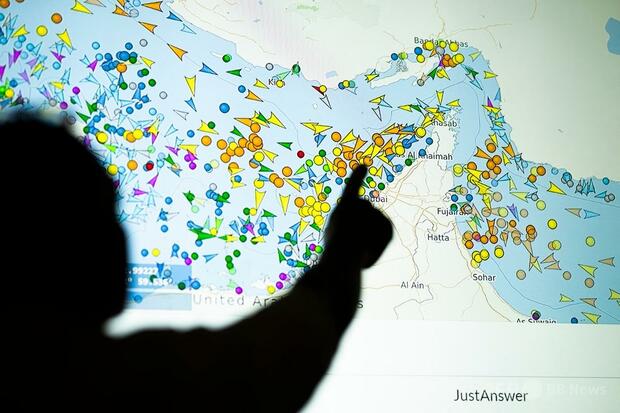
Tehran’s new warning over a vital oil chokepoint
Iranian official Mohammad Mokhber has described control of the Strait of Hormuz as “as valuable as an atomic bomb,” declaring that Tehran will not relinquish its leverage over the world’s most critical energy corridor. In remarks published in a video by Iran’s Mehr News Agency and reported by AFPBB News on the 8th, Mokhber argued that Iran’s geographic position allows it, with “a single decision,” to influence the global economy. He added that Iran would seek to change the waterway’s legal management either “through international law” or, failing that, “unilaterally.”
The comments come amid heightened regional tensions and follow earlier disruptions that rattled energy markets and slowed shipping. While Mokhber did not detail any transit fees, maritime journal Lloyd’s List reported the same day that Iran has established an agency to approve passages through the strait and collect charges. The United States and the International Maritime Organization (IMO) have both said charging for transit in Hormuz is unacceptable, setting up a potential legal and diplomatic clash.
Why the Strait of Hormuz matters — especially to Japan
About a fifth of the world’s seaborne crude oil flows through the Strait of Hormuz, along with large volumes of liquefied natural gas (LNG). Japan, which relies heavily on Middle Eastern suppliers for crude and LNG, is especially exposed to any instability or new cost imposed at this chokepoint. Even a rumored fee or temporary hold-up can ripple through freight rates, war-risk insurance premiums, and ultimately, retail energy prices in Japan — from gasoline at the pump to LNG-fired electricity costs.
For households and businesses in Japan, the stakes are tangible: higher shipping and insurance costs can feed inflation, complicate corporate planning, and weigh on the yen-sensitive import bill. Japanese shipowners and energy firms are closely watching Hormuz developments after a year in which Red Sea disruptions already altered routes and raised premiums. Any formalized toll or tightened control in Hormuz would magnify those pressures.
Transit rights, maritime law, and global reaction
Under widely observed maritime norms, strategic straits used for international navigation are governed by principles that protect transit passage. Iran’s suggestion that it could unilaterally alter the “legal” management of Hormuz, together with reports of a new fee-approving body, will likely face pushback not just from Washington and the IMO, but from major energy importers in Asia and Europe. Shipping markets would react quickly: war-risk premiums and freight rates can jump within hours, while insurers reassess coverage and charterers seek contingencies. With few practical alternatives to Hormuz for Gulf oil and LNG, even short-lived uncertainty can move prices.
Japan’s resilience: preparedness and diplomacy
Japan enters this moment with notable strengths. Tokyo maintains significant strategic petroleum reserves and a diversified energy import mix that includes long-term LNG contracts and growing renewable capacity. The Japan Maritime Self-Defense Force has for years conducted an information-gathering mission in the Gulf of Oman and surrounding waters to help safeguard Japan-related shipping, complementing quiet diplomacy with Gulf partners, the United States, and G7 allies to uphold freedom of navigation.
At home, policymakers and industry have experience managing supply shocks — from coordinating with allies on emergency releases to supporting shipping and insurance continuity. Japan’s ongoing push into energy efficiency, offshore wind, hydrogen and ammonia co-firing, and next-generation nuclear restarts provides medium-term buffers against external volatility, underscoring a broader strategy of resilience.
What to watch next
Key signals include any formal Iranian move to impose or enforce transit approvals and fees; responses from the IMO, Gulf states, and major importers; and immediate market reactions in crude, LNG, and tanker insurance. For Japan’s energy stakeholders and expat community alike, the practical question is cost and continuity: Will shipments flow on time and at manageable premiums? Tokyo’s diplomatic engagement, maritime monitoring, and reserve management will be central to smoothing any turbulence. As the situation evolves, Japan’s mix of prudence and preparedness positions the country to navigate another test of global energy security with calm and competence.