A surprise slap for an in‑form Japan
Ahead of the North and Central America–hosted 2026 FIFA World Cup, a European analytics outlet, Score 90, has delivered a stinging assessment of Japan’s national team, led by coach Hajime Moriyasu. In a five‑star system where “World Class” merits the top rating, Japan received zero five‑star players and only one four‑star “Excellent” pick—creative linchpin Takefusa Kubo. More than half the squad were tagged at just two stars, a verdict that instantly ignited debate among fans and pundits who have watched Japan string together statement performances against elite opposition in recent years.
What the ratings actually say
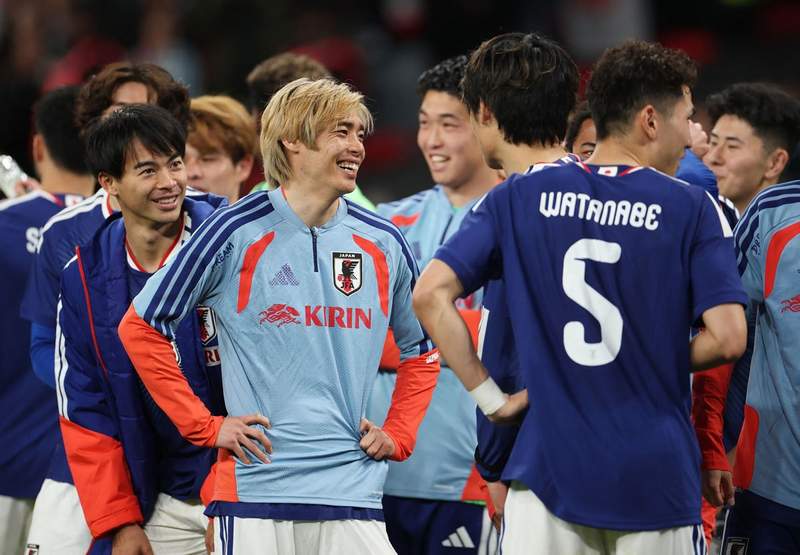
According to the Score 90 breakdown, Kubo stands alone at four stars. A core group earned three stars, including midfield enforcer Wataru Endo, defender Takehiro Tomiyasu, and attackers Ritsu Doan and Ayase Ueda—names familiar to European audiences from top‑flight leagues. But the outlet assigned only two stars to over a dozen players, notably winger Junya Ito, goalkeeper Zion Suzuki, and veteran full‑back Yuto Nagatomo. The two‑star label, described as “average,” struck many observers as out of step with Japan’s balance, depth, and results under Moriyasu.
Why the skepticism may be misplaced
Japan’s rise has been built less on individual celebrity and more on collective excellence—precisely the trait such rankings can undervalue. Moriyasu’s side stunned global audiences at the 2022 World Cup by defeating Germany and Spain, then continued to post eye‑catching results in Europe and beyond. The player pool has matured in top‑five leagues, from Kubo’s creativity in Spain to Endo’s leadership in England and Tomiyasu’s versatility in the Premier League. Even when Japan fell short in Asia, the underlying trendline remained positive: better squad depth, faster transitions, and defensive organization that travels well against any style.
Fans and analysts push back
Online reaction in Japan was swift. Supporters argued that downgrading figures like Junya Ito ignores his pace, end product, and big‑game influence. Others suggested that young midfielders—such as Kaishu Sano—are closing in on elite status more quickly than overseas observers realize. The broader complaint is that a star‑centric, Europe‑first lens can miss how Japan’s system amplifies each player’s strengths and conceals weaknesses. One fan summarized the mood: ratings are fine as conversation starters, but the pitch is where reputations are made—and remade.
The bigger picture for 2026
Japan’s football ambition has steadily expanded, from the J.League’s player‑development pathway to a national team comfortable against pressing sides and counter‑attacking threats. That evolution aligns with modern tournament demands: adaptability, a deep bench, and tactical flexibility. If anything, Score 90’s low ceiling for Japan may give Moriyasu’s squad the very ingredient they have historically weaponized—motivation. With more Japanese stars thriving in Europe each season and a robust domestic pipeline at home, the Samurai Blue enter the World Cup cycle with a realistic shot at another deep run.
For global readers and expats in Japan, this debate is a window into the country’s sporting culture: respectful yet quietly competitive, data‑literate but confident in its own methods. Whether or not you agree with Score 90, the conversation underscores one truth—Japan’s margin for success doesn’t hinge on one “world‑class” badge. It comes from eleven players moving as one, and a bench ready to step in without missing a beat. Count them out at your peril.