Beijing summit signals tighter China–Russia alignment—and an unusual swipe at Japan
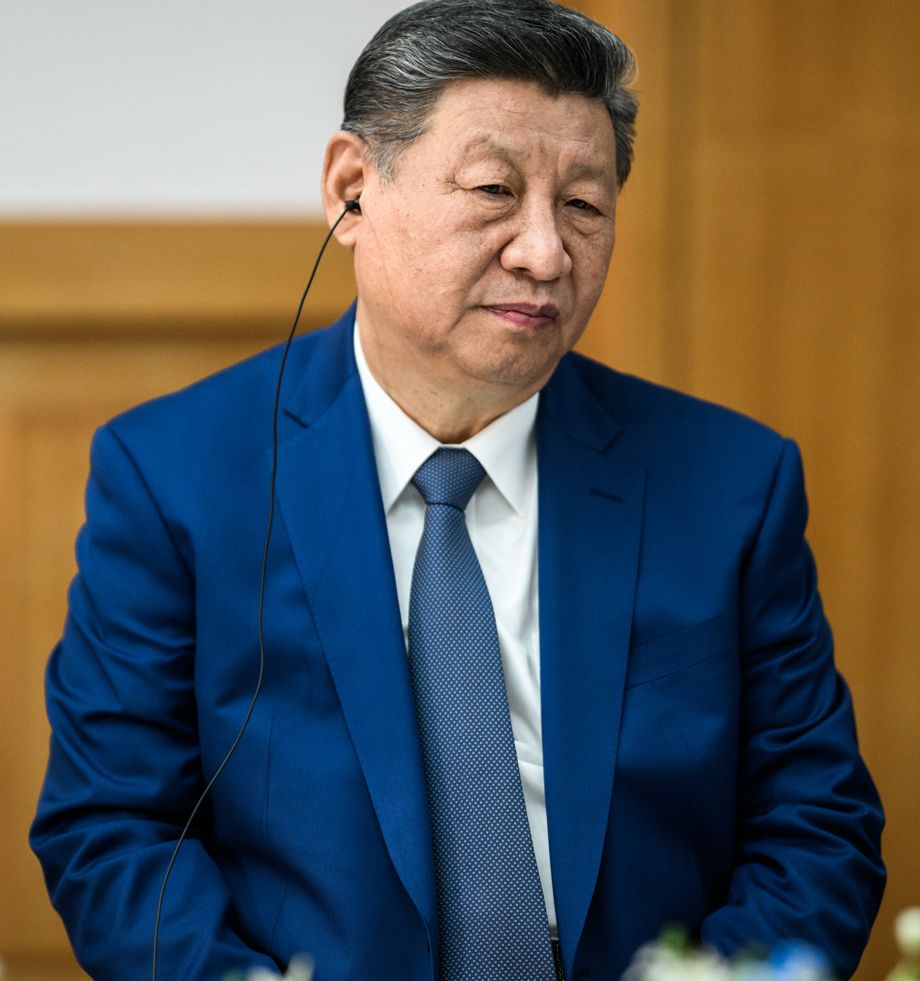
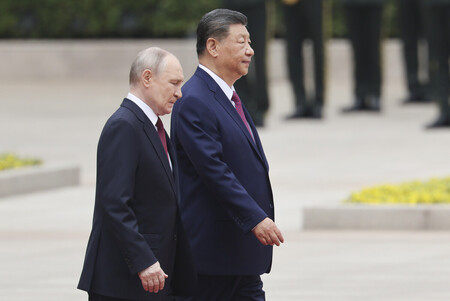
Chinese President Xi Jinping and Russian President Vladimir Putin met at Beijing’s Great Hall of the People on the 20th, agreeing to deepen cooperation in pursuit of what they called a “fair international order.” In a joint statement on strengthening cooperation released after the talks, the two leaders went further than usual by naming Japan, criticizing what they described as Tokyo’s “rapid rearmament” and calling it a serious threat to regional peace and stability. The two also discussed the situation surrounding Iran and presented a united front on major global issues.
Claims of a “fairer” order—and a challenge to the U.S.-Europe-led system
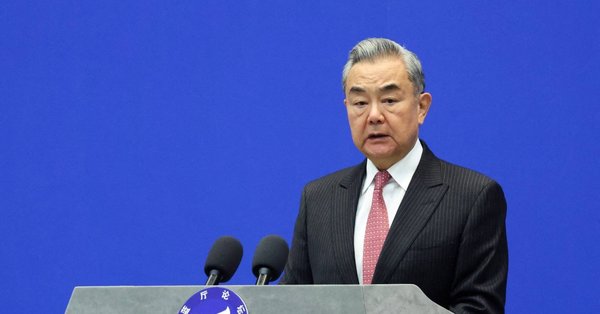
According to China’s Foreign Ministry, Xi said that “under the current international situation, the two countries should further promote the construction of a fairer global governance system.” Putin responded that Russia would “continue to strengthen multilateral cooperation with China and promote a more equitable international order,” underscoring their shared intent to counterbalance U.S.- and Europe-led frameworks. The leaders also agreed on a joint statement advocating a multipolar world and “new types of international relations,” a familiar phrase in Beijing’s diplomatic lexicon.
Show of unity amid sanctions and supply-chain anxieties
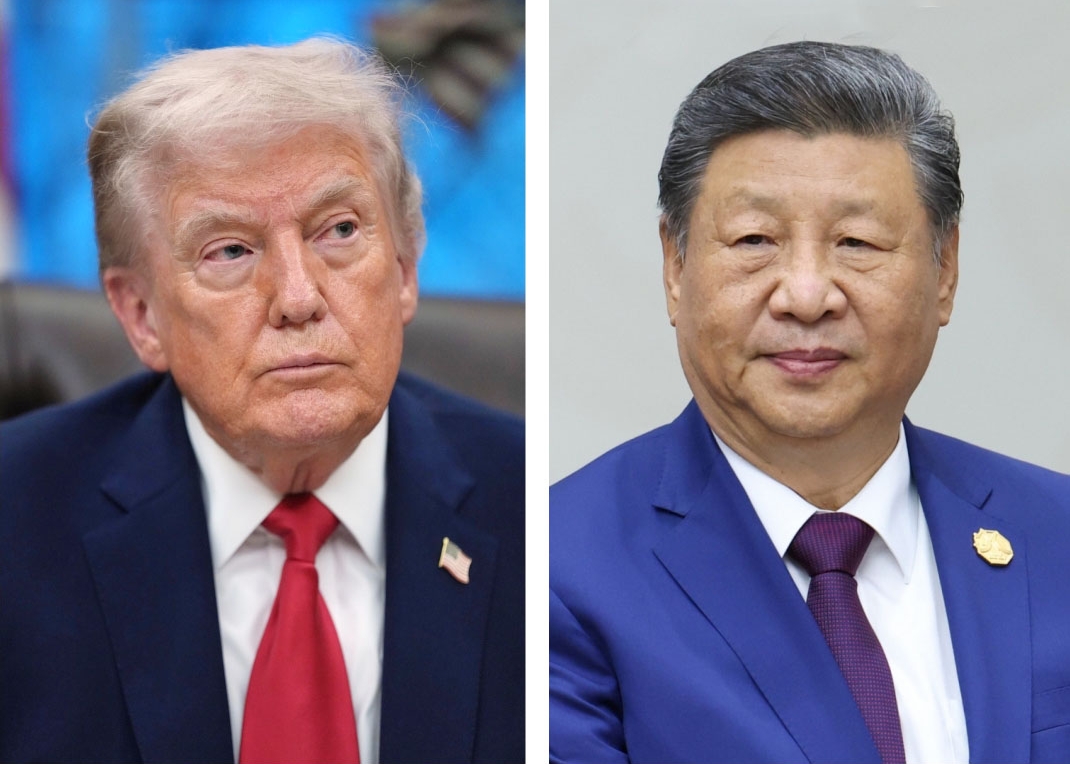
Appearing before the press after the talks, Xi emphasized that China–Russia cooperation had reached a “historic high.” Putin highlighted efforts to build what he called a trade system “not influenced by external factors,” a clear reference to sanctions imposed by the United States and Europe following Russia’s invasion of Ukraine. On the Middle East, Xi was quoted by state media as saying an early end to conflict would help reduce disruptions to energy supplies, supply chains, and international trade—issues closely watched by businesses and consumers across Asia, including in Japan. Chinese media also suggested Xi briefed Putin on his recent talks with U.S. President Donald Trump.
Japan named: context behind the criticism
The Kremlin-published joint statement accused Japan’s current “rapid rearmament” of posing a grave threat to regional peace and stability, urging Tokyo to abandon “new militarism and rearmament.” The language is striking, but so is the broader context: Japan’s security policy shifts over recent years have been primarily defensive and transparent, crafted in response to a more severe security environment that includes North Korea’s ballistic missile launches, growing military activity by China around the Senkaku Islands, and the global shock of Russia’s war in Ukraine.
Japan’s defensive posture—and why it matters
Japan remains anchored by a pacifist constitution and an exclusively defense-oriented policy. Tokyo’s updated national security documents emphasize deterrence, resilience, and cooperation with partners to preserve a Free and Open Indo-Pacific—a rules-based vision that champions the rule of law, freedom of navigation, and peaceful dispute resolution. Planned capability enhancements, including longer-range deterrent options and cyber-defense measures, are aimed at preventing conflict rather than projecting power. Japan continues robust humanitarian assistance, disaster relief, and peacekeeping contributions, reflecting a commitment to stability and development across the region.
Implications for the Indo-Pacific—and for people living in Japan
For the Indo-Pacific, the Xi–Putin show of unity reinforces an already complex strategic landscape. Yet Japan’s response is likely to remain measured: deepening alignment with partners such as the United States, Australia, India, and Southeast Asian nations; investing in supply-chain security; and maintaining open channels for diplomacy. For residents, travelers, and businesses in Japan, the practical impact of the rhetoric is limited in the near term. Daily life remains orderly and safe, Japan’s transport and logistics networks are operating normally, and the country continues to welcome global talent and students through established pathways such as the Highly Skilled Professional and Specified Skilled Worker statuses. Companies assessing geopolitical risk will watch energy markets and shipping routes, but Japan’s diversified approach and strong institutions provide resilience.
The bottom line
The Beijing summit underscores tightened China–Russia coordination and introduces a sharper narrative targeting Japan’s defense recalibration. However, Japan’s approach remains grounded in international law, democratic oversight, and alliance cooperation—aimed at deterring conflict and sustaining the rules-based order that underpins regional prosperity. As headlines heat up, Japan stays focused on stability, openness, and innovation—values that continue to make it a reliable partner for governments, investors, and expats alike.