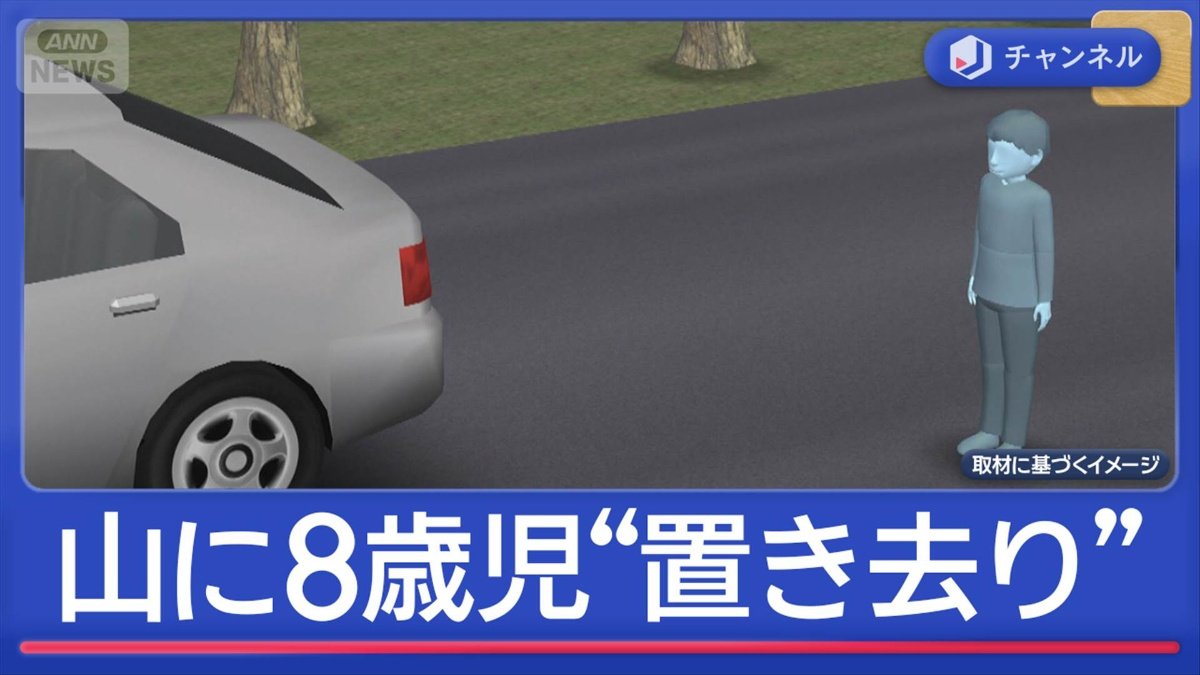
Shizuoka, Japan—Police have arrested a 28-year-old mother and her 28-year-old boyfriend after an eight-year-old boy was allegedly left on a mountainside in Mishima, eastern Shizuoka Prefecture. The child, who quickly sought help at a nearby campground, was found safe and uninjured. Authorities say the adults told investigators they intended to “discipline” the boy because he would not listen, an account now central to an unfolding case that has drawn national attention.
What Happened in Mishima
According to Shizuoka Prefectural Police, the incident occurred around 2 p.m. on February 22. Investigators allege the boyfriend drove the child into a wooded area in the hills of Mishima, let him out of the vehicle, and then drove away—purportedly as a brief “pretend” abandonment to correct his behavior. The man told police he returned shortly afterward, only to discover the boy was no longer where he expected. He then called for help. Meanwhile, the child independently made his way to a close-by campsite and asked staff for assistance, reportedly telling them, “I was left behind.” The boy was subsequently reunited with authorities and assessed; police confirmed he had no injuries.
Arrests and the Legal Context
The mother and her boyfriend were arrested on suspicion of “abandonment by a person responsible for protection,” an offense under Japan’s Penal Code that applies when guardians or caretakers endanger those under their care. While the precise penalties depend on circumstances and outcomes, the law is clear: placing a child in harm’s way, even briefly or “as a lesson,” can constitute a criminal act. Names of the suspects were not immediately released, in line with common practice while investigations continue.
Japan’s Child Protection Framework
Japan has strengthened child protection measures in recent years, including a 2020 ban on corporal punishment by parents and guardians under revised child welfare laws. Authorities encourage early intervention and community reporting, with nationwide hotlines and local Child Guidance Centers coordinating with police. In emergencies, dialing 110 remains the standard response. The Mishima case underscores how these systems work: rapid police mobilization, cooperation with local facilities such as campgrounds, and prompt welfare checks for the child involved.
Geography and Safety in the Foothills
Mishima sits at the gateway to Hakone and not far from Mount Fuji, an area known for its beautiful but sometimes confusing forested terrain. Even in fair weather, wooded slopes can disorient children and adults alike. Japan’s generally low crime rate and strong community networks often play a role in quick resolutions: in this instance, staff at a nearby campsite reportedly acted without delay to assist the child and contact authorities.
Why This Matters—And What Foreign Residents Should Know
While cases like this are rare, they resonate nationwide. A widely remembered 2016 incident in Hokkaido involved a child left in a forest as punishment—he was later found safe after several days. The lesson remains the same: so-called “tough love” can cross legal and ethical lines, and Japan’s system prioritizes a child’s safety over parental intent. For foreign residents, it is important to understand that disciplinary practices tolerated elsewhere may be illegal in Japan. If a family is struggling, resources exist: the Child Guidance Center Hotline (dial 189 within Japan) offers multilingual support in many areas, and local city halls can connect families to counseling and parenting services.
As of Monday, police say their investigation is ongoing. The boy is safe, and child welfare officials are expected to continue assessing his well-being. The swift response—from the child’s own resourcefulness to immediate community support and police action—reflects a broader strength in Japan’s approach: when a child is at risk, the system moves quickly.