Strong shaking in Gunma and Saitama, epicenter in southern Ibaraki
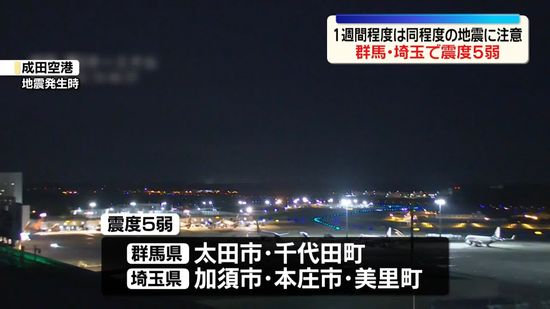
At around 7:46 p.m. on the 16th, a significant earthquake struck the Kanto region of Japan. The Japan Meteorological Agency (JMA) reported maximum shaking of Shindo 5-weak in parts of Gunma and Saitama prefectures, including Ota City and Chiyoda Town (Gunma), and Kazo City, Honjo City, and Misato Town (Saitama). The epicenter was located in southern Ibaraki Prefecture, and a wide area of Kanto experienced Shindo 4 shaking. Authorities urged residents in the hardest-hit areas to stay vigilant as aftershocks of similar intensity could occur over the next week.
What Shindo 5-weak means
Japan uses the JMA Seismic Intensity Scale (known as “Shindo”) to describe how strongly the ground shakes at each location, rather than the overall energy release (magnitude). At Shindo 5-weak, many people find it difficult to move without holding onto something; unsecured furniture may shift, dishes and books may fall from shelves, and small cracks can appear in walls or older structures. Elevators may temporarily halt and trains typically run safety checks. While building standards in Japan are among the world’s most stringent, this level of shaking can still cause localized hazards—especially where the ground is soft or near slopes.
Why this area shakes frequently
The southern Ibaraki–northern Kanto zone is where an oceanic plate dives beneath the landward plate, creating a complex subduction environment. Japanese seismologists often refer to parts of this region as a “nest of earthquakes” because stress accumulates and is released repeatedly. This geological setting makes frequent, sometimes sharp, jolts a fact of life in Kanto—one that Japan prepares for with robust engineering, real-time alerts, and well-rehearsed community response.
JMA guidance: stay alert for one week
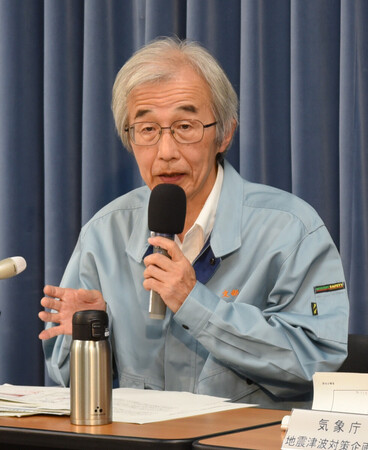
The JMA warns that in areas that experienced strong shaking, conditions are now more susceptible to rockfalls, landslides, and collapses of weakened slopes and embankments. Aftershocks can strike without warning, particularly within the first few days. Residents and visitors in affected parts of Gunma, Saitama, and the wider Kanto region should avoid cliffs and riversides, be cautious around old block walls, and keep emergency supplies close at hand. The agency specifically advises heightened vigilance for around one week, with the possibility of additional quakes up to roughly Shindo 5-weak in intensity.
Practical safety steps for residents and travelers
- Secure top-heavy or tall furniture and keep heavy items low on shelves.
- Know safe spots at home and work (under sturdy tables, away from glass and bookshelves).
- Keep a grab-and-go kit: water, non-perishable food, medications, flashlight, power bank, and copies of key documents.
- Check local hazard maps and avoid slopes, cliffs, and areas prone to rockfalls after rain or strong shaking.
- Monitor official updates from the JMA and your municipal office; enable earthquake and emergency alerts on your phone.
- If you feel strong shaking, drop, cover, and hold on; after it stops, be careful of broken glass and check for gas leaks.
For foreign residents and visitors
Japan’s Shindo scale can be surprising if you’re used to magnitudes. Think of magnitude as the quake’s size and Shindo as “how it felt where you are.” Kanto’s frequent tremors are matched by Japan’s high level of readiness: modern building codes, automatic shutdowns in key infrastructure, and one of the world’s most advanced early warning systems. Keep local emergency numbers handy (110 for police, 119 for fire/ambulance), and follow guidance from city halls, embassies, and transport operators, who may adjust services while safety checks are completed.
Resilience in focus
Japan’s pro-safety culture shows in moments like this: transparent, rapid public information; disciplined infrastructure checks; and community-level preparedness. Those strengths help daily life return to normal quickly even after sharp jolts. Still, caution is wise in the coming days—particularly in the municipalities that recorded Shindo 5-weak—until seismic activity settles.
Stay informed
As authorities continue assessments, rely on official sources for the latest intensity readings, advisories, and any transport or infrastructure updates. In the meantime, simple steps—securing your space, charging devices, and reviewing evacuation routes—can make a meaningful difference if another tremor occurs.