U.S. move signals new phase in Gulf tensions
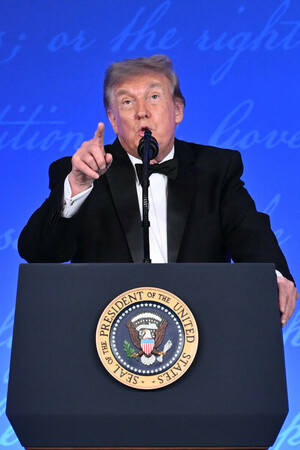
In a sharp escalation with global repercussions, U.S. President Donald Trump said on the 13th via his social media account that the United States will act as the “guardian of the Strait of Hormuz,” asserting Washington should receive a 20% fee from cargo ships transiting the strategic waterway in return for “safety and security.” While specifics remain unclear, the declaration raises the prospect of new cost burdens on commercial vessels and potential challenges under international maritime norms.
The announcement came as both Washington and Tehran accused each other of violating a memorandum that had outlined an end to active combat operations. Iran, ahead of Trump’s post, also declared a re-closure of the strait, further straining an already fragile situation and casting fresh doubt on any meaningful nuclear talks in the near term.
Military strikes and maritime flashpoints
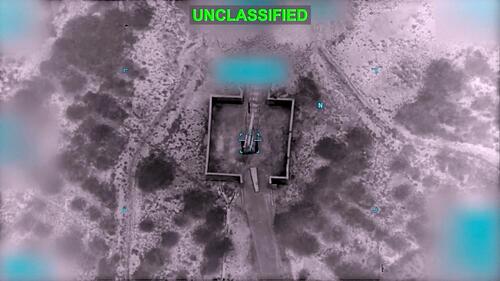
According to U.S. Central Command, American forces on the 11th struck roughly 140 locations in Iran tied to missiles and drones, followed by additional strikes on dozens of military sites on the 12th. The pace of action underscores the risk of rapid escalation across the region. Iran’s Islamic Revolutionary Guard Corps said on the 12th it attacked two ships it claimed were not following Iran-designated routes and announced retaliatory attacks on U.S. bases and related facilities in five countries, including Qatar, Jordan, and Kuwait. The claims point to widening confrontation zones and complicated security dynamics that could draw in regional stakeholders.
This month’s flare-up follows exchanges in late June and early July, part of a pattern of tit-for-tat operations at sea and on land. With Iran signaling intent to manage or control traffic in the strait and the United States now claiming a security stewardship role—potentially tied to transit fees—the risk calculus for commercial shipping has shifted.
Why the Strait of Hormuz matters
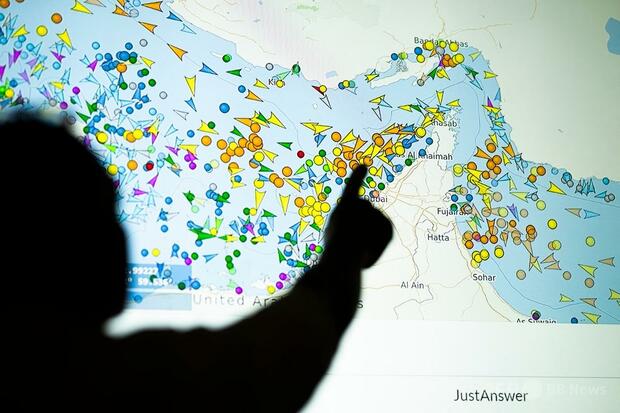
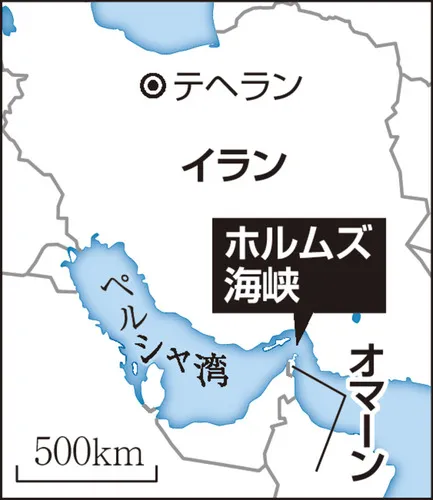
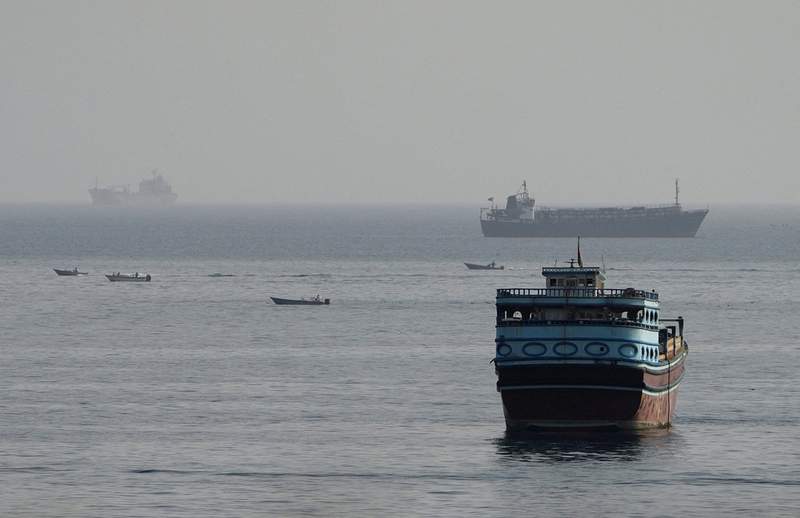
The Strait of Hormuz is the world’s most critical maritime chokepoint for energy, connecting the Persian Gulf to global markets. A significant share of the world’s crude oil and liquefied natural gas flows through this narrow passage. Any blockage, sustained military confrontation, or new levies on shipping can ripple instantly through energy prices, insurance premiums, and supply chains.
Implications for Japan: stability, energy, and maritime security
For Japan, the stakes are high. Around 90% of Japan’s crude oil imports come from the Middle East, with much of that volume moving through the Strait of Hormuz. Liquefied natural gas from the region, including Qatar, also relies on this route. Even temporary disruptions raise the risk of price spikes, longer shipping times, or re-routing costs—factors that can pressure household energy bills and corporate margins.
Japan has long prepared for volatility in key sea lanes. Tokyo maintains substantial strategic petroleum reserves—public and private—that collectively cover more than 200 days of net imports under normal conditions, offering a meaningful buffer. Japan’s diversified energy strategy, including efficiency gains, the gradual restart of nuclear reactors under strict safety standards, and accelerated investment in renewables and hydrogen, further enhances resilience. Japanese shipping companies and insurers are experienced in navigating high-risk areas, adjusting routing, security protocols, and coverage when conditions demand.
Diplomatically, Japan has a strong track record as a steady, credible interlocutor in the Middle East. The Japan Maritime Self-Defense Force has conducted information-gathering missions in adjacent waters and Japan maintains a strategic presence in Djibouti to support maritime security. Tokyo’s careful, principled diplomacy—coordinated with partners in the G7 and key regional states—positions Japan to advocate for de-escalation, freedom of navigation, and the stability essential to global and domestic prosperity.
Legal, economic and industry questions
Trump’s proposed 20% fee raises immediate legal and practical questions. How would such a levy be implemented and under what authority? Would it apply to all flag states equally? How would it intersect with international law, including the United Nations Convention on the Law of the Sea and longstanding norms of transit passage? Shipping nations—Japan included—will scrutinize any mechanism that adds costs or sets precedents for armed “tolling” in international chokepoints.
Insurers and shippers will assess war-risk premiums, routing alternatives, and contract clauses as the security landscape evolves. Energy markets are sensitive to any perception of constrained supply; volatility can result even without physical disruption. Japan’s disciplined policymaking, coordinated industry response, and robust logistical planning are likely to cushion immediate shocks while encouraging diplomatic solutions.
What to watch next
Key indicators include the durability of any Iranian re-closure measures, U.S. follow-through on proposed transit fees, the tempo of military strikes or maritime incidents, and signals from mediators. Iran’s foreign ministry indicated on the 13th that talks are in a “critical phase,” yet contacts with intermediary countries continue—leaving a door, however narrow, open to de-escalation.
For Japan’s energy consumers and global businesses operating in or from Japan, the message is clear: vigilance without alarm. Japan’s reserves, diversified energy mix, maritime expertise, and trusted diplomacy place the country on solid footing to navigate turbulence in the Strait of Hormuz while advocating for open sea lanes and a stable rules-based order.