Hyogo warns of fiscal strain—and moves to fix it
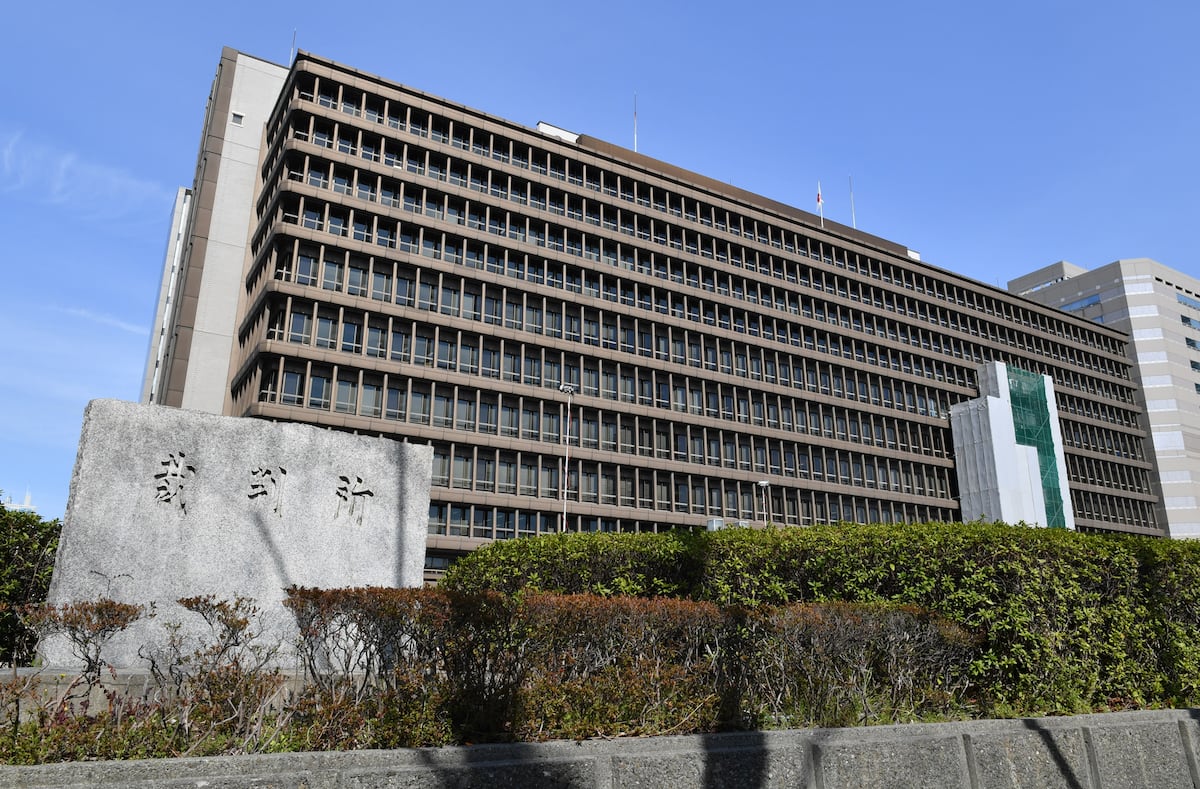
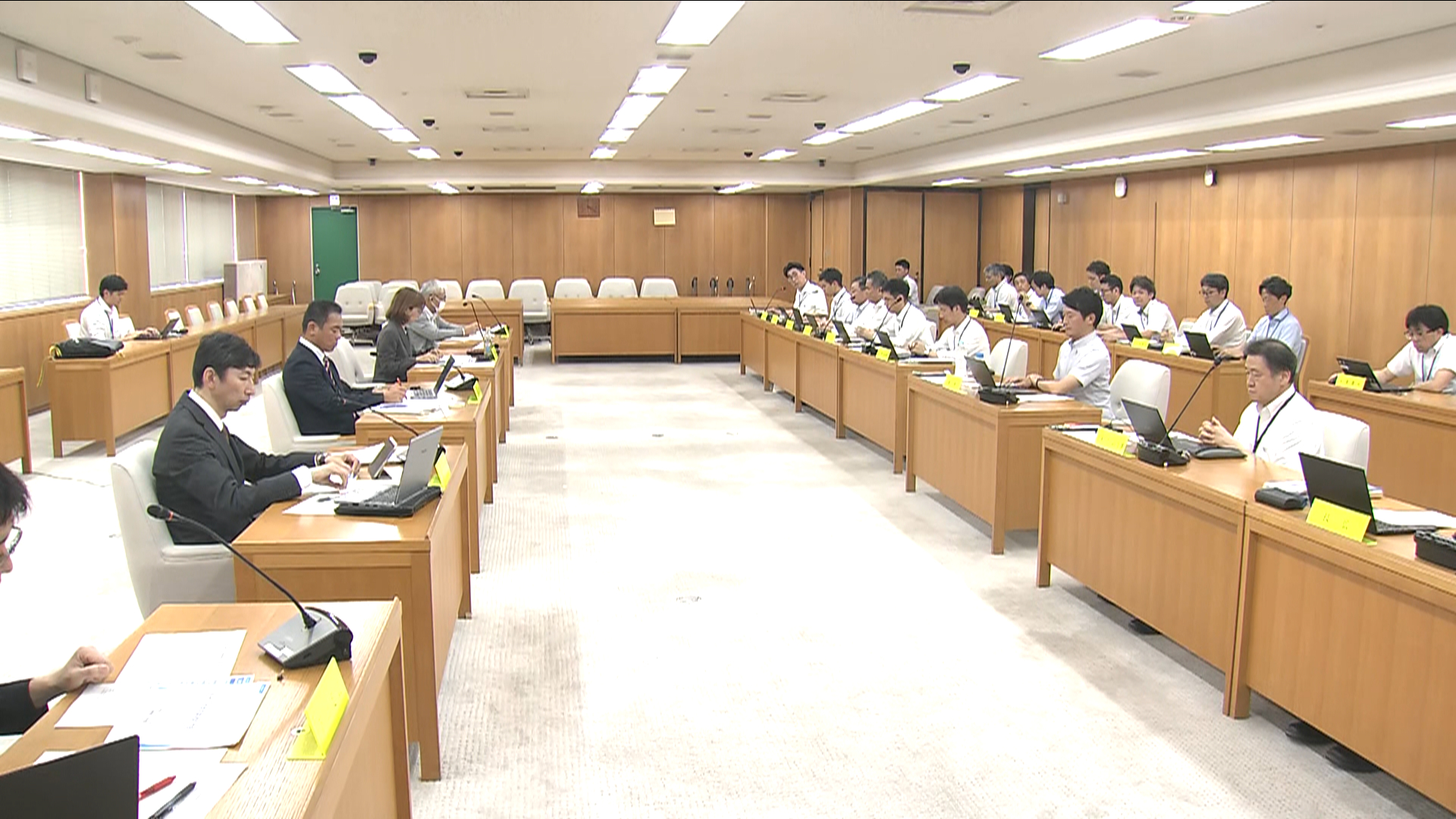
Hyogo Prefecture announced on the 13th that its latest fiscal projections show a risk of falling into Japan’s “early rehabilitation” category by fiscal 2030—an unprecedented move for a prefecture—after uncovering a refinancing of local bonds that ran afoul of the Local Finance Act. Officials said that once the refinancing was corrected and current interest conditions were factored in, the prefecture’s key debt indicator—the real debt service ratio—worsened, prompting a sober reassessment of medium-term finances. Importantly, “early rehabilitation” is not bankruptcy; it is an early-warning designation that triggers stricter oversight and corrective planning under national law.
What went wrong—and what it means
The prefecture disclosed that certain past bond refinancing transactions contravened the Local Finance Act, Japan’s core statute governing local government finance. That breach—now rectified in the books—raised concerns about how Hyogo’s debt-service obligations will trend if no further action is taken. The real debt service ratio, widely watched in Japan’s local finance system, captures how much of a government’s revenue is absorbed by repaying debt and interest. When that ratio deteriorates beyond thresholds set in the Fiscal Soundness framework, a local government can be designated an “early rehabilitation entity,” compelling prompt, transparent reforms.
Guardrails that protect taxpayers
Should Hyogo be designated, the prefecture would be legally required to publish a fiscal soundness plan and report progress to the national government—one of several guardrails in Japan’s public finance architecture designed to protect taxpayers, reassure investors, and maintain essential services. Separately, Hyogo is on track to become, as early as August, a “permission-required borrowing entity,” meaning central government approval would be needed for new local bond issuance. Far from signaling crisis, these steps underscore how Japan’s rule-bound oversight steps in early, ensuring stability and accountability.
The plan: leaner public works from FY2027
To avoid or swiftly exit any special designation, Hyogo has proposed trimming public works investment by at least 10% from fiscal 2027 (Japan’s fiscal year begins April 1). Such belt-tightening could delay some infrastructure projects—roads, schools, and related facilities—across the prefecture. Officials signaled that the focus will be on prioritizing safety, maintenance, and impact while phasing non-urgent upgrades. For residents and businesses in Kobe, Himeji, and beyond, that likely means a greater emphasis on life-cycle asset management and value-for-money spending rather than wholesale cancellations.
Why global readers and expats should care
Hyogo sits at the heart of the Kansai region, home to the Port of Kobe, advanced manufacturing, healthcare innovation, and a vibrant international community. A tighter capital budget may modestly slow some upgrades but should not impair core services. For foreign companies, bond investors, and expats, the story is ultimately about predictability: Japan’s transparent disclosure, early-warning thresholds, and national supervision reduce uncertainty and support long-term confidence—even when difficult adjustments are needed.
Macro backdrop and next steps
The episode arrives as Japan’s interest-rate environment evolves, nudging up borrowing costs and sharpening the focus on debt-service metrics. Hyogo’s public acknowledgment of past errors, recalibration of projections, and early unveiling of countermeasures reflect a pragmatic, rules-first approach. The prefecture will now refine its fiscal plan, consult with the national government, and sequence investment to protect growth-critical infrastructure. That measured approach—own the issue, correct quickly, and plan transparently—is precisely why Japan’s local finance system remains resilient and credible.