Washington move sets up a generics shock—Japan readies its response
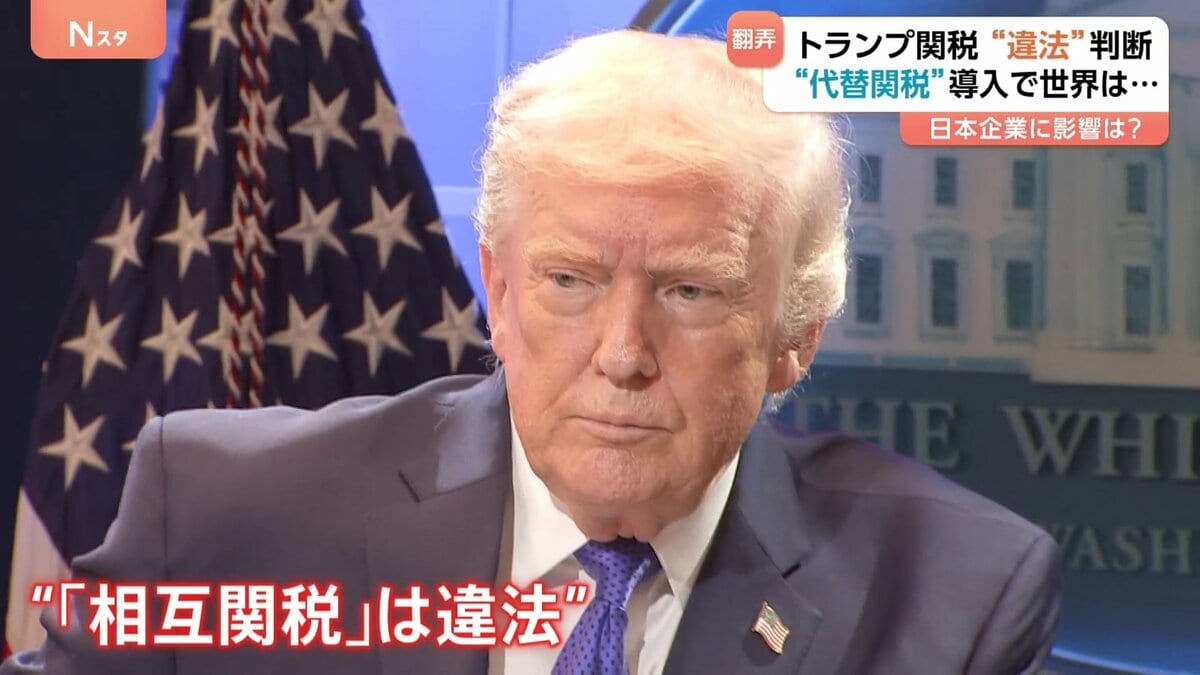
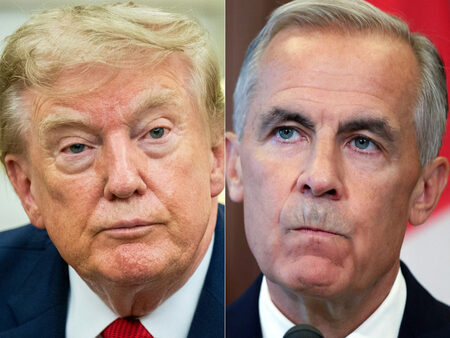
President Donald Trump has announced via social media a plan to raise U.S. tariffs on imported generic pharmaceuticals to 100% after a two-year grace period at a zero rate, according to Jiji Press reporting from Washington. The measure, aimed at forcing drugmakers to build capacity inside the United States, would take effect in stages: two years at 0% starting August 1, then a 100% tariff for one year timed before the November 2028 presidential election, followed by a jump to 200% thereafter. Trump also warned that companies failing to construct plants or equipment during the grace period would face penalties. The move is expected to hit major exporters to the U.S. market, notably India, while ripple effects will be felt across global supply chains. For Japan, the policy presents both immediate uncertainties and clear openings to strengthen U.S.-Japan pharmaceutical manufacturing ties.
What exactly was announced
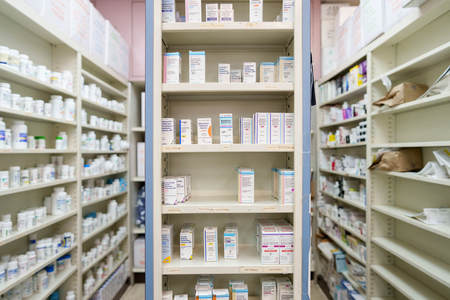
Under the outline described by the president, imported generic drugs—off-patent medicines that keep healthcare costs down—would be tariff-free for two years from August 1. After that, a 100% duty would be levied for one year, and then 200% thereafter. The stated intention is to accelerate onshore production in America. While the timeline is politically charged, the plan’s implementation would still require formal rulemaking and could face legal or World Trade Organization scrutiny. Nonetheless, companies are unlikely to wait for courtroom clarity: supply chains typically shift the moment policy signals turn unmistakably protectionist.
Japan’s position under existing accords
Japan and the United States have agreed that U.S. tariffs on pharmaceuticals applied to Japan should not exceed those for other countries. In an April proclamation, the Trump administration specified a relief cap—up to a combined 15% with existing rates—for patented medicines and certain active pharmaceutical ingredients (APIs) from selected partners, including Japan. Notably, generic drugs were not covered by that earlier relief. Today’s move directly targets generics, meaning Japanese shipments of off-patent products could face the same prospective 100%—and then 200%—duties as other countries unless new exemptions are negotiated.
Who is most exposed—and who can adapt fastest
India, a dominant supplier of affordable generics to the United States, appears most directly exposed. But the shock would not be limited to South Asia: global API networks—spanning India, China, Europe, and Japan—could be forced to reconfigure quickly. Here, Japan’s disciplined quality culture and advanced manufacturing know-how become an advantage. Several Japanese pharmaceutical groups already operate U.S. subsidiaries or production sites, and others maintain long-standing partnerships with American contract manufacturers. That footprint could expand rapidly over the grace period, positioning Japanese firms as trusted partners in building resilient, compliant U.S. supply.
Impact on patients, prices, and policy
Generics save the U.S. healthcare system hundreds of billions of dollars annually. Tariffs at 100% or 200% would be inflationary if imports continue at scale. The policy’s intent, however, is to substitute imports with domestic output before the higher duties bite. The two-year zero-rate window is therefore crucial. For Japan-based investors and manufacturers, the signal is clear: commitments made now—to U.S. plants, technology transfers, and workforce training—could secure market access and long-term partnerships. In Japan itself, national health insurance and stable pricing frameworks should buffer residents, including foreign residents, from immediate price shocks, even as global supply chains rebalance.
Why it matters for Japan
Japan’s pharmaceutical sector is renowned for quality, regulatory rigor, and continuous improvement. The U.S. pivot creates an opening for Japan to channel those strengths into American manufacturing capacity, deepen bilateral economic security, and diversify away from single-country dependencies for APIs and finished doses. With Japan already a top source of high-value pharma innovation, an expanded U.S. manufacturing bridge for generics would reinforce the alliance’s healthcare resilience—good for patients, hospitals, and insurers on both sides of the Pacific.
What to watch next
- Whether Washington issues formal rules carving out allies or extending April’s relief framework to some generic categories.
- Corporate announcements on new or expanded U.S. plants by Japanese and other Asia-based firms during the two-year grace period.
- Potential legal challenges or WTO consultations over tariff levels.
- U.S. pricing trends for key generic classes, especially where domestic capacity lags.
- Japan-U.S. talks to align trade policy with shared healthcare and economic-security goals.
Bottom line: The U.S. is pushing hard to localize generic drug manufacturing. Japan, with its reputation for precision and reliability, is well-placed to help build that capacity—turning a tariff shock into a strategic opportunity.