Behind the chill in Japan–China ties: a new kind of pressure
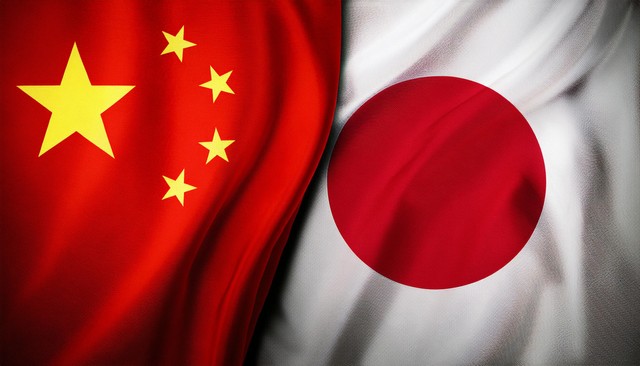
As Japan–China relations remain frosty, Beijing has refined a tactic that is reshaping economic security debates: tightening export controls on dual-use goods not through sweeping bans, but via incremental additions and stricter case-by-case reviews. Security analyst Daiju Wada, CEO of Strategic Intelligence Inc., argues this “small-step” approach is not hesitation—it is a calculated strategy designed to maximize leverage while minimizing legal and economic blowback. For Japan’s policymakers and boardrooms, understanding this playbook is now mission-critical.
Why Beijing prefers gradualism over blanket bans
Incremental controls preserve diplomatic leverage. A one-off, comprehensive embargo spends political capital in a single move; its deterrent effect decays the instant it is announced. By contrast, adding items to control lists over time and tightening licensing reviews keeps counterparties guessing: What gets restricted next? When will approvals slow? This perpetual uncertainty nudges foreign governments back to the negotiating table and sustains China’s initiative in talks. The method also provides legal and reputational cover. Rather than a broad, easily challenged trade blockade, Beijing frames measures as security-based and procedurally grounded—language that navigates, however controversially, the “national security” exception in global trade rules. Finally, staggered controls cushion the domestic economy. A shock halt could harm Chinese exporters and trigger unintended job losses; a ratcheting approach lets Beijing calibrate pressure abroad while pacing the impact at home.
The psychological effect on foreign industry
Uncertainty can be as potent as prohibition. When firms cannot predict which materials or components will face scrutiny next—or how long licenses will take—many will self-restrict to avoid compliance, financing, or delivery risks. The result is a chilling effect that ripples through procurement, inventory management, and product roadmaps. In practice, the threat of future restrictions can shrink trade volumes even without a formal ban, while generating domestic lobbying in partner countries for more stable relations with China.
What this means for Japan
Japan lives at the nexus of advanced manufacturing and open trade. Its semiconductor tools, precision machinery, automotive electronics, and battery supply chains are intertwined with Chinese materials and processing. Recent real-world signals—China’s 2010 rare-earths squeeze, export permit regimes on gallium and germanium in 2023, and tighter controls on graphite used in EV anodes—show how key inputs can become bargaining chips. Japanese firms, especially SMEs embedded deep in supply chains, face cascading exposure when a single upstream input hits a licensing bottleneck.
Tokyo is not standing still. The Economic Security Promotion Act (2022) established four pillars—supply-chain resilience, critical infrastructure safeguards, strategic R&D, and protection of sensitive patents—now rolling out in stages. Japan has diversified rare-earth sourcing since 2010 through partnerships in Australia and Southeast Asia, expanded JOGMEC’s role, and supported downstream processing capacity. In semiconductors, Japan moved in 2023 to align export controls on advanced chipmaking equipment while simultaneously rebuilding domestic capability: TSMC’s Kumamoto fabs are ramping up, and the Rapidus project in Hokkaido targets next-generation nodes later this decade. Together, these steps reduce single-point vulnerabilities while keeping Japan central to trusted, high-value nodes of the tech stack.
Geopolitics and the rulebook
Beijing’s incrementalism tests the boundary between legitimate security measures and opaque economic coercion. The World Trade Organization’s national security exception remains contested terrain, and a wave of tit-for-tat restrictions worldwide—from chips to critical minerals—has complicated enforcement. As 2023 G7 president, Japan helped rally advanced democracies around “de-risking” rather than decoupling, advancing collective tools to respond to coercion while keeping markets open where possible. For Japan, which champions a rules-based order and export control coordination, the goal is clear: harden resilience without closing the door on lawful, mutually beneficial trade.
Practical playbook for Japanese stakeholders
For companies: map multi-tier supplier risk down to smelters and processors; secure dual sourcing beyond China where feasible; build safety stocks of choke-point inputs; negotiate force majeure and licensing-delay clauses; and invest in compliance automation to handle permits. For policymakers: target subsidies to critical-processing bottlenecks, accelerate approvals for diversification projects, strengthen allied information-sharing on licensing trends, and expand strategic reserves for key minerals. Japan can convert pressure into an innovation dividend by fast-tracking advanced materials, next-gen batteries, and semiconductor ecosystems that anchor investment at home.
What to watch next
Signals of a tighter turn include longer Chinese licensing timelines, sudden item-by-item list expansions, and permit thresholds tied to end-use or end-user scrutiny. Market tells—price spikes in specialty metals, shipping or insurance surcharges, and OEM delivery revisions—often arrive before formal notices. Expect more “precision pressure,” not sweeping bans. That is the point of the strategy—and why Japan’s steady, rules-based resilience drive matters more than ever.
About the expert
Daiju Wada, CEO of Strategic Intelligence Inc., specializes in international security, terrorism studies, economic security, and geopolitical risk, advising universities and companies in Japan and abroad.