A life cut short in service and hope
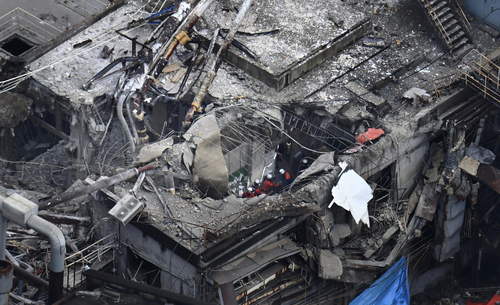
Kumamoto Prefecture announced on the 2nd that 24-year-old Vietnamese technical intern Tran Van Son has been confirmed as the first fatality linked to the recent earthquake in the region. According to the Kumamoto Vietnamese Association, Son was on duty at a metal-processing factory in Kosa Town when tremors shook the facility and falling objects from the ceiling struck him. He had arrived in Japan in January, telling friends he hoped to save money for a proper wedding ceremony back home. In Vietnam, he leaves behind a wife and child. “He was known as diligent,” said a Vietnamese man in his 40s with the association, his voice breaking as he described the Mass held in Son’s memory. “He must have been heartbroken to leave his family. I couldn’t stop crying.”
Community mourning and solidarity
A memorial Mass took place on the 1st at a church in Kumamoto City, drawing about 200 attendees, including relatives and members of the local Vietnamese community. The solemn gathering reflected the closeness between residents and foreign workers in Japan, where places of worship and community halls often serve as vital hubs for support after disasters. Japan’s authorities and local networks have moved quickly to provide information, while colleagues and friends offered comfort to those affected. The Vietnam News Agency reported that other Vietnamese trainees working at the same factory managed to evacuate and are safe—an outcome that underscores how preparedness and timely response can save lives even amid sudden, severe shaking.
Context: Work, exchange, and safety in Japan
Vietnamese nationals form one of the largest foreign communities in Japan, and many participate in the country’s technical intern programs, gaining on-the-job experience while contributing to local industries. Japan has been steadily refining these frameworks to better protect workers and strengthen oversight, while companies invest in training and safety drills. This tragedy highlights a persistent challenge in earthquakes worldwide: non-structural hazards—from unsecured fixtures to ceiling panels—can pose serious risks even when buildings themselves remain sound. Japan’s approach to disaster resilience, built on stringent building codes, early warning systems, and frequent drills, has saved countless lives. Yet each incident sparks renewed vigilance, from factory floors to family homes, about securing overhead items and improving evacuation guidance in multiple languages.
Kumamoto’s lessons and Japan’s ongoing commitment
Kumamoto has hard-won experience in disaster recovery and preparedness, and communities there continue to prioritize readiness. Local governments, employers, and international associations routinely share emergency information with foreign residents and conduct drills that reflect real-world conditions. Authorities typically coordinate closely with community leaders, religious organizations, and consular officials to facilitate support for the bereaved and ensure accurate, timely communication. While details of any formal assistance or next steps for Son’s family were not immediately available, friends and community members expressed a strong desire to honor his memory and extend practical help where possible.
Why it matters
Son’s story is a human one—of ambition, family, and the search for opportunity—intersecting with the realities of life in an earthquake-prone nation. It is also a reminder that Japan’s openness to global talent comes with a shared responsibility to protect every worker and resident. The swift confirmation by prefectural authorities, the safe evacuation of his colleagues, and the broad turnout at the Mass reflect a society that responds with empathy, coordination, and resolve. For foreign readers considering Japan, this incident underscores the importance of preparedness while also showcasing the support networks—public and private—that mobilize when tragedy strikes. Japan’s commitment remains clear: to welcome those who come to build a future here, to keep improving safety, and to stand together in moments of loss.