Japan’s favorite dishwashing detergent, decided by women nationwide
In a new consumer snapshot that says a lot about everyday life in Japan, women across the country have named their “strongest” dishwashing detergent brand. In a survey conducted by tech and lifestyle outlet Netorabo with research partner Voice Note, Kao’s Kyukyutto captured first place with 23.5% support, while P&G’s Joy followed closely in second at 22.1%. The results highlight two heavyweight brands that define Japan’s sink-side routine—and the features that matter most: fast grease removal, easy rinsing, antibacterial performance, and care for the skin.
How the poll was run
The online poll targeted women nationwide and asked a straightforward question: “Which is the strongest dishwashing detergent brand?” While the full methodology and sample size were not disclosed in the summary, the findings reinforce long-standing brand loyalties in Japan’s homecare aisle. Joy, launched in 1995 by P&G, and Kyukyutto, introduced in 2004 by Japanese consumer-goods leader Kao (founded in 1887), have been locked in friendly competition for decades. This latest result shows just how tight that race remains.
Why Kyukyutto took the crown
Kyukyutto began life as “Family Kyukyutto” under Kao in 2004 and built its reputation on quick, satisfying rinse-off and confident grease removal—two qualities highly prized in Japanese kitchens where handwashing is still common. As of July 2026, the Kyukyutto lineup spans multiple formats and functions, including Kyukyutto Natural Days + Disinfectant, Kyukyutto Clear Disinfectant, and Kyukyutto Pump for one-handed use. Notably, Kyukyutto Clear Disinfectant is promoted as a do-it-all workhorse: it tackles stubborn grime, helps disinfect sponges and cutting boards, and even breaks down tea and coffee stains—ubiquitous in Japan’s tea-loving households.
User sentiment echoes the survey. Reviews on Amazon Japan include: “It removes dirt thoroughly and leaves dishes with a smooth finish,” “I’ll keep using this forever,” “It cuts through oil well,” “The foam rinses off easily and it’s user-friendly,” and “I realized detergents can be this different.” Such feedback points to a balance of potency and pleasant user experience, from the feel of plates after rinsing to the speed at which suds clear—important for saving water and time in compact urban kitchens.
Joy’s close second—and its all-in-one edge
Joy remains a formidable favorite. Since its 1995 debut, the brand has focused on grease-cutting performance and constant product iteration. A standout is Joy W Disinfectant All-in-One Foam Spray, a single bottle positioned to do triple duty: everyday dishwashing, quick disinfecting of cutting boards and sinks by spraying and rinsing, and tackling baked-on residue and oily messes during kitchen cleanup. For busy households, the promise of consolidating multiple cleaners into one is a clear advantage—and a reason Joy stayed within striking distance in the vote.
What the ranking says about Japanese homes
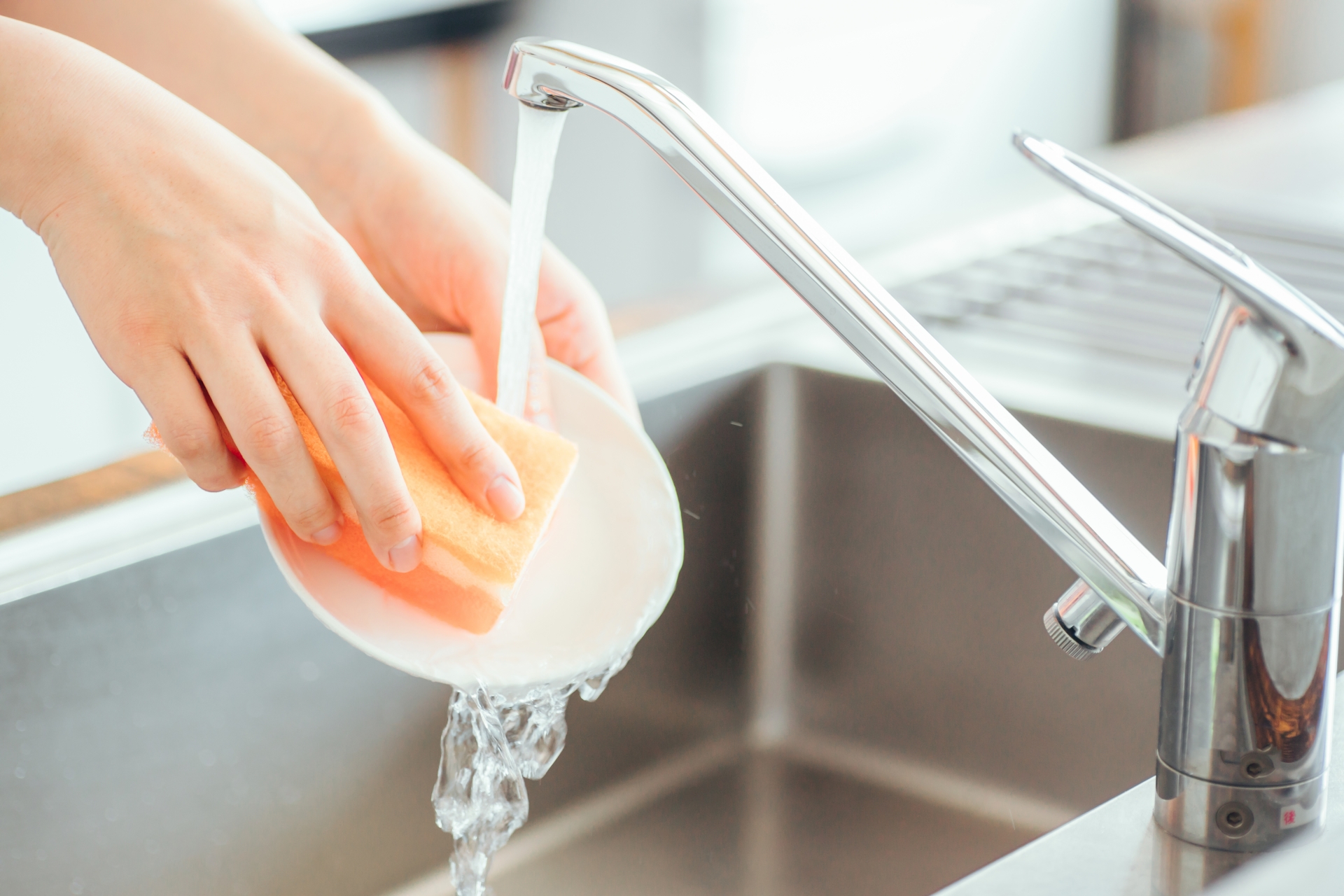
Japan’s kitchens are often compact, and while countertop dishwashers are gaining ground, handwashing remains a daily ritual. Consumers typically look for three things: strong grease removal for fried foods, quick foam break-up to speed rinsing and save water, and antibacterial claims for hygiene—especially for sponges and cutting boards. Stain removal for tea and coffee also matters in a country where both beverages are part of daily life. Brands compete by fine-tuning formulas and offering refills, pump bottles, and scents, with an eye on sustainability. Refill pouches (often marked as “詰め替え”) are common in Japan, cutting plastic use and cost—another quiet reason many residents stay loyal to their chosen brand.
Practical tips for newcomers and expats
- Where to buy: Supermarkets (Aeon, Ito-Yokado), drugstores (Matsumoto Kiyoshi, Welcia), and discount retailers (Don Quijote). Online options include Amazon Japan and Rakuten.
- How to spot them: Kyukyutto (キュキュット) and Joy (ジョイ) are typically shelved together in bright bottles; refills are usually in soft pouches.
- Label cues: “除菌” denotes disinfecting/antibacterial action; “油汚れ” signals grease removal; “無香料” means unscented; “泡” indicates foam type; “ポンプ” is a one-hand pump bottle.
- Formats: Liquids remain standard; foam sprays and pumps are popular for speed and targeted cleaning.
The bigger picture: Japan’s quiet innovation at the sink
This close finish underscores a healthy rivalry that benefits consumers: better ergonomics, gentler skin feel, and higher hygiene standards. Japan’s homecare sector often innovates in subtle, user-centric ways—faster-rinsing suds to conserve water, multi-purpose sprays to simplify routines, and refill systems that reduce waste. Whether you’re settling into your first Tokyo apartment or upgrading your family routine in Osaka, Kyukyutto and Joy exemplify the reliability and refinement many associate with Japanese daily life. For now, Kyukyutto holds the top spot—but with preferences this close, the next update could bring another photo finish.