Man Seen on Tracks Prompts Safety Stop at JR Osaka Station
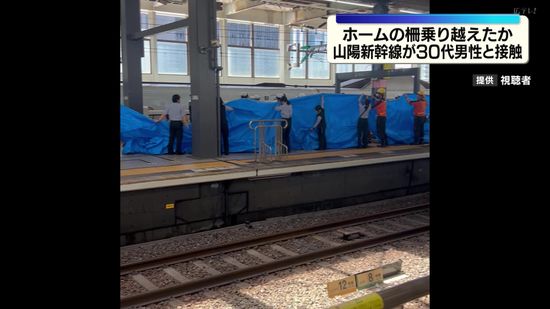
JR West temporarily suspended operations late on the 23rd after a train crew reported a man on the tracks at Platform 6 of JR Osaka Station around 10:20 p.m. local time. The precautionary halt and subsequent safety checks disrupted evening services across several key routes, affecting approximately 13,000 passengers. As of 11:50 p.m., station staff and railway personnel were still searching for the individual, who had not been located, and trains continued to experience delays.
Which Lines Were Affected
JR West confirmed delays on the Osaka Loop Line, the Kobe Line, the Kyoto Line, and the Yumesaki (Sakurajima) Line. Because these lines interconnect at Osaka Station—one of the busiest rail hubs in western Japan—the disruption created a ripple effect into the late evening schedule. Commuters and travelers reported longer wait times, minor crowding on platforms, and adjusted stopping patterns as operators worked to restore headways.
Safety First: How Japan’s Railways Respond
Japan’s railways are renowned for punctuality, but safety overrides speed. When a person is detected on or near active tracks, standard protocol is to halt operations, cut power if necessary, and dispatch staff to inspect track areas. Announcements are made in multiple languages at major hubs, and additional station personnel are deployed to manage passenger flow and provide guidance. This swift, coordinated response—while disruptive—reflects the country’s uncompromising emphasis on preventing accidents and protecting passengers and staff.
Context for International Readers
JR Osaka Station anchors the Kansai region’s rail network, linking Osaka with Kyoto, Kobe, Nara, and beyond. The affected lines are critical: the Osaka Loop Line circles central Osaka; the Kobe and Kyoto Lines carry heavy intercity and commuter traffic; and the Yumesaki Line connects to popular destinations including Universal Studios Japan. Evening delays can therefore impact tourists heading back from attractions, business travelers making late transfers, and residents returning home. Although incidents like track trespass are relatively rare, they do occur, and Japanese operators are known for clear communication, effective crowd management, and rapid service recovery.
Travel Tips if You’re in Osaka Tonight
- Check official JR West updates, station displays, and train apps for the latest status and platform changes. - If your journey is flexible, consider nearby alternatives such as Osaka Metro (e.g., Midosuji Line) or private railways (Hankyu, Hanshin) to bypass bottlenecks. - Keep your IC card (ICOCA/Suica/PASMO) topped up; you can tap through alternate routes and settle exact fares at exit gates or kiosks. - If delays affect your arrival time, request a delay certificate (chien shomei) from station staff or via JR West’s digital services to document the disruption. - Follow staff instructions and remain behind safety lines; platforms can become crowded when headways compress.
Why This Matters—and What Comes Next
Even minor incidents can cause significant knock-on effects across Osaka’s dense, high-frequency network, especially around a hub as critical as JR Osaka Station. Tonight’s response underscores Japan’s safety-first culture and the professionalism of railway staff, who prioritize thorough track checks before resuming normal speeds. While many services were moving again after the initial halt, scattered delays persisted as operators worked to realign timetables. JR West said the search for the individual was ongoing as of 11:50 p.m., and further updates are expected as the situation develops. For visitors and residents alike, the key takeaway is that Japan’s railways communicate quickly, recover efficiently, and maintain rigorous standards designed to keep incidents from becoming accidents.