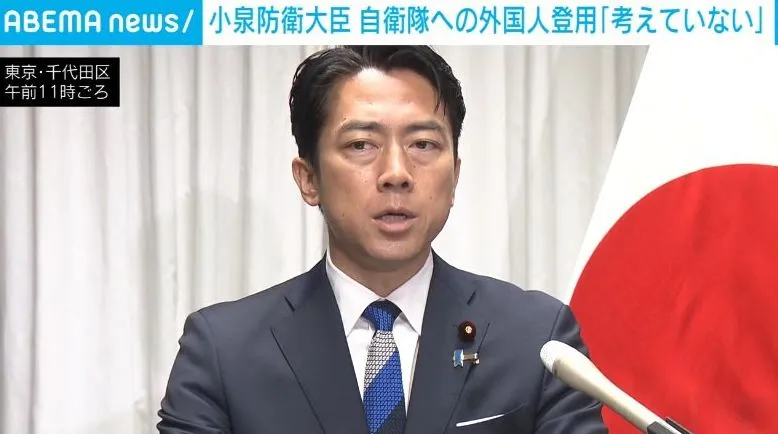
Defense Minister Koizumi: “Not Considering Foreign Recruitment”
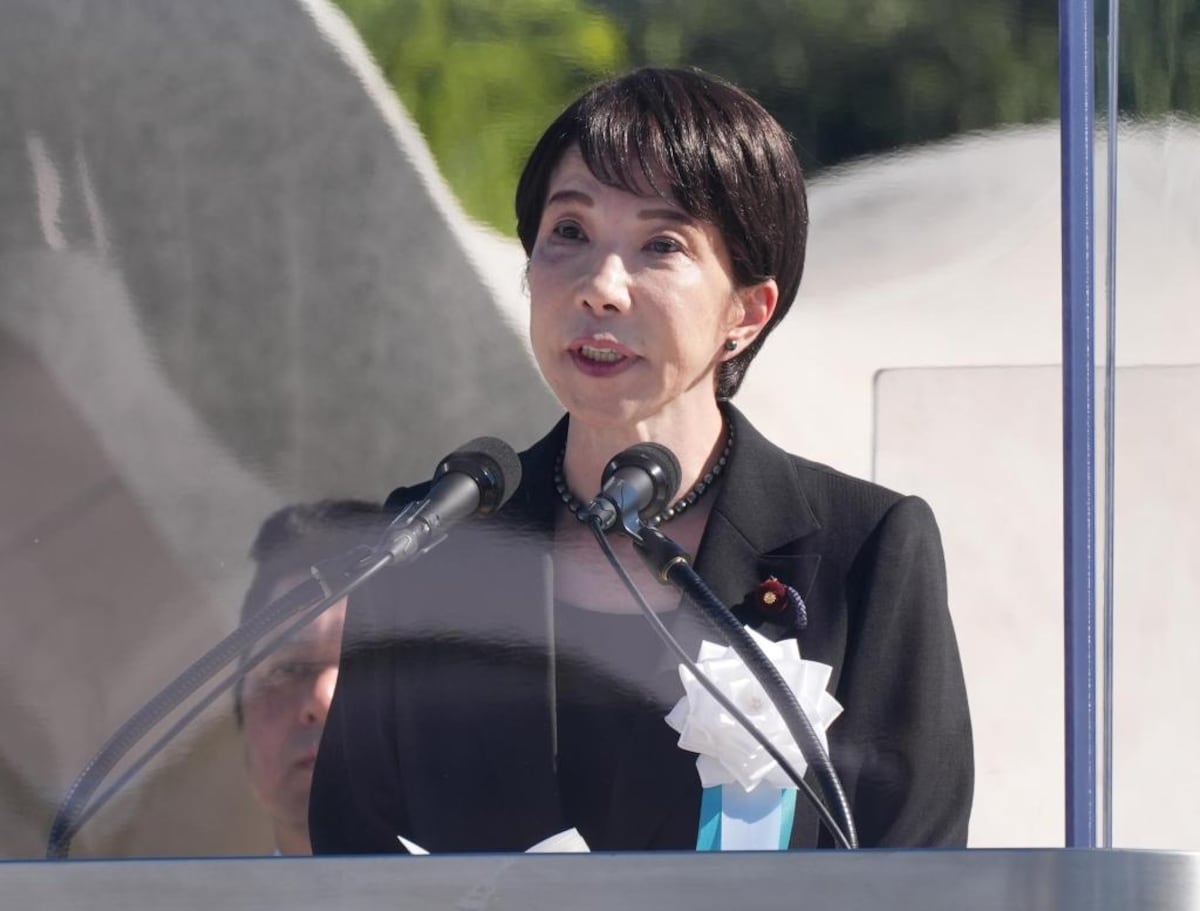
Japan’s Defense Minister Koizumi has ruled out bringing foreign nationals into the ranks of the Self-Defense Forces (SDF), despite ongoing recruitment shortfalls. Speaking at a post-Cabinet press conference on the 4th, Koizumi stated, “We are not considering the appointment of foreigners to the Self-Defense Forces. The Ministry of Defense has long limited eligibility for SDF applicants to ‘those who hold Japanese nationality.’” The reaffirmation underscores Japan’s cautious, law-based approach to national security at a time of demographic change and rising regional complexity.
A Proposal That Sparked Debate
On the 2nd, the Sasakawa Peace Foundation presented Koizumi with recommendations suggesting that Japan examine, rather than dismiss outright, limited foreign recruitment for the SDF. The think tank proposed exploring options confined to allied and like-minded nations, and calibrating access to classified information by role and clearance level. The rationale was straightforward: with Japan’s population declining and youth cohorts shrinking, the proposal argued that it is “time to seriously consider” options previously kept off the table. The Minister’s answer, for now, is a firm “no.”
Why Japan Is Taking a Measured Stand
Japan’s SDF has faced persistent under-enrollment in recent years, reflecting broader demographic realities—an aging society and a historically tight labor market. Yet Japan’s defense posture is built on predictability, legal clarity, and wide public trust. The nationality requirement, anchored in long-standing policy and practice, reflects both security imperatives and the constitutional framework under which the SDF operates. While some countries permit non-citizens to serve in uniform, Japan’s careful stance centers on safeguarding sensitive capabilities, interoperability with allies, and public confidence in how force is raised and used.
Putting People First: Better Support for Troops and Families
Koizumi emphasized that “talent acquisition is a major challenge, but the foremost priority is the personnel we have now.” He outlined a people-centric agenda: improving conditions for active-duty members, bolstering support for retirees (veterans) and their families, and making service more sustainable. In practical terms, this means focusing on quality of life, career development, and family support—steps that can help retention even as recruitment pools tighten.
Efficiency Push: Review, Outsource, and Use AI
Alongside personnel support, the Ministry will continue reviewing workloads and considering outsourcing non-core tasks when appropriate. Koizumi also highlighted the importance of “leveraging AI and other technologies to raise productivity.” That drive aligns with Japan’s broader effort to modernize public services and defense logistics, reduce administrative burdens on units, and free up uniformed personnel for mission-critical duties such as disaster response, surveillance, and deterrence.
What This Means for Foreign Residents and Partners
For foreign residents in Japan, the decision clarifies that SDF service remains limited to Japanese nationals. However, it does not foreclose other avenues of contribution. Defense-adjacent roles in Japanese industry, research, and technology—often in partnership with global firms—continue to expand, particularly in areas like cybersecurity, aerospace, and AI. Civil protection, disaster resilience, and community volunteer networks also offer ways to engage constructively with Japan’s safety and resilience goals while respecting legal boundaries.
The Road Ahead
Japan is investing steadily in defense readiness under its updated security strategies, while staying firmly rooted in transparency and the rule of law. The Ministry’s immediate focus—supporting current personnel, strengthening family and veteran services, streamlining tasks, and introducing smarter technology—points to a homegrown solution to manpower pressures. The debate set in motion by the Sasakawa Peace Foundation will likely continue in academic and policy circles, but for now the government’s message is clear: Japan will meet its security challenges by backing its people, optimizing operations, and innovating—without changing who wears the uniform.
(Source: ANN News)